 Kwisi: O dinosaure efe?
 Ntwa ya didinosaure
 Peiso ya didinosaure
 Dipapadi tse nyane tsa didinosaure
 Albamo ya ditikara
 Manane a TOP a didinosaure
 Nkgethele!
Labocania
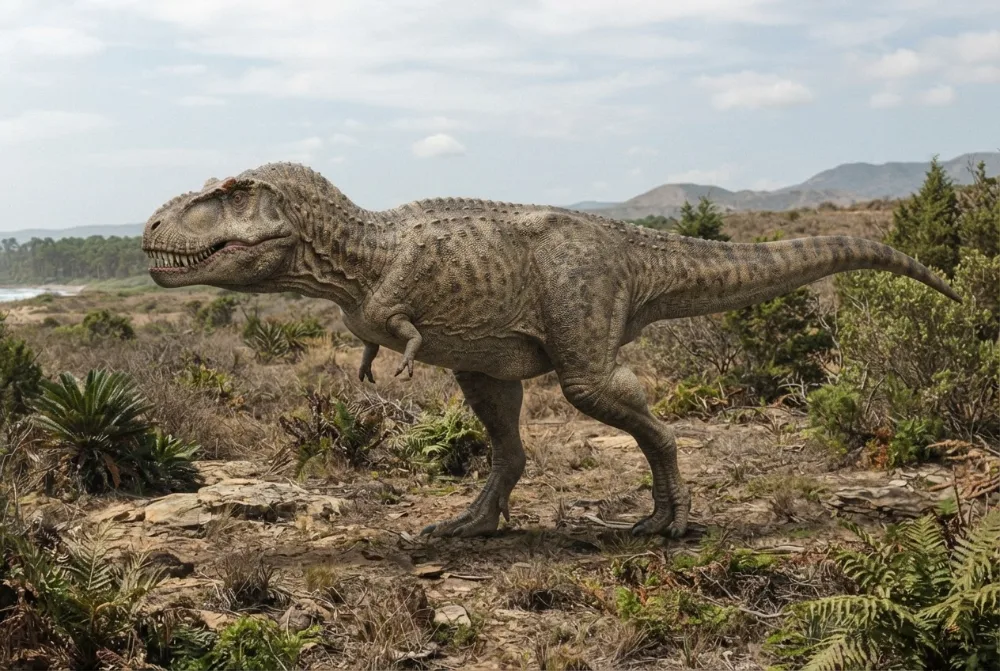
Labocania was a meat-eating dinosaur that lived in Mexico during the Late Cretaceous, about 85 to 72 million years ago. It was a medium-sized predator with strong bones and sharp teeth. Scientists are still figuring out exactly what kind of theropod it was.12
E phetse neng?
E ne e le kgolo hakae?
E ne e le telele hakae?
E ne e phahame hakae?
kakanyo
E ne e le boima hakae?

 telele jwaloka dintja tse 8 ho tloha nkong ho isa mohatleng🍌telele jwaloka dibanana tse 46 di behilwe ka molaboima jwaloka dintja tse 140🍉boima jwaloka mahapu a 580🎒boima jwaloka ditlelase tse feletseng tse 4 tsa bana ba sekolo🐻❄️boima jwaloka dibere tse tshweu tse 6🏃e ne e ka matha dimitara tse 100 ka metsotswana e 12 (motho ya lebelo ka ho fetisisa o hloka 9,6)
Labocania e ne e le kgolo hakae ha e bapiswa le WENA?
Ke dipalo feela ho browser ya hao. Ha ho letho le bolokwang kapa le romelwang kae kapa kae.
E ne e le lebelo hakae?


Dintlha tse monate
Labocania's skull bones were very thick and strong, especially the bones on top of its head.1
The first Labocania fossils were found in 1970 by a volunteer named Harley J. Garbani during an expedition in Baja California, Mexico.1
Labocania's teeth were flat and curved backwards, which helped it hold onto prey.1
Scientists have debated whether Labocania was a tyrannosaur, an abelisaur, or a carcharodontosaur. In 2024, a new study placed it with tyrannosaurs.1
The second species, Labocania aguillonae, was named in 2024 after Martha C. Aguillon, a paleontologist from Coahuila, Mexico.1
Labocania lived on land and walked on two legs, like other theropods.2
Dipotso tse botswang haholo ka Labocania
?How big was Labocania?
Labocania was a medium sized carnivore. The species L. anomala was about 7 to 8.2 metres long and weighed around 1.5 to 2.6 tonnes. The smaller L. aguillonae was about 6.3 metres long.1
?Is Labocania a dinosaur?
Yes, Labocania is a dinosaur. It is a theropod dinosaur that lived in Mexico during the Late Cretaceous.1
?What did Labocania eat?
Labocania was a meat-eater. It had sharp, curved teeth and strong bones to help it catch and eat other animals.1
?When did Labocania live?
Labocania lived during the Late Cretaceous period, about 85 to 72 million years ago. Some estimates suggest it might have lived as early as about 93.6 million years ago.1
Mosenyi wa ditshomo
Tshomo: Some people think Labocania was definitely a tyrannosaur like T. rex.
Nnete: Scientists are not sure. It might be a tyrannosaur, but some studies suggest it could be an abelisaur or a carcharodontosaur. The most recent study in 2024 supports tyrannosaur, but others disagree.1
Bakeng sa ditsebi tsa didinosaure
- Lebitso la saense
- Labocania
- E rehilwe ke
- Molnar 19745
- Sehlopha
- Ditiranosaure
- Lelapa / leloko
- Tyrannosauridae5
- Tlhophiso
- Theropoda > Tyrannosauroidea > Tyrannosauridae5
- Dilemo tsa mafika
- dilemo tse dimilione tse 86 ho isa ho 72 (Santonian / Campanian)5
- Dibopeho tsa mafika
- La Bocana Roja, Cerro del Pueblo5
- Dinaha
- Meksiko5
- Direkoto tsa difosili
- 2 ho The Paleobiology Database5
- Ho sibollwa
- The first fossils were found in 1970 by Harley J. Garbani during an expedition in Baja California, Mexico. Ralph Molnar named the dinosaur Labocania anomala in 1974.1
- E sa ntse e phehwa kgang
- Scientists still debate what kind of theropod Labocania was. Some think it was a tyrannosaur, others think it was an abelisaur or a carcharodontosaur.1
Moo dintlha di tswang teng
- Labocania (en.wikipedia.org)
- PBDB Taxon (paleobiodb.org)
- A New Tyrant Dinosaur from the Late Campanian of Mexico Reveals a Tribe of Southern Tyrannosaurs (mdpi.com)
- A Leggy Tyrannosaur Emerges From a Mexican Desert - The New York Times (nytimes.com)
- Labocania in The Paleobiology Database (CC BY 4.0): dilemo, dibaka, dibopeho tsa mafika, tlhophiso.
Ntlha e nngwe le e nngwe leqepheng lena e na le nomoro e supang mohlodi wa yona. Haeba re fositse ho hong, re kopa tshwarelo, re balatedi ba didinosaure, ha re koranta ya saense. Re bolelle ho [email protected] mme re tla e lokisa.
 Rex o lapile! Dino Wiki ke projeke ya ntate bakeng sa mora wa hae ya ratang didinosaure, ke mahala, ha ho dipapatso, ha ho disebedi. Batho ba baholo ba ka fepa Rex seneke ho thusa hore e dule e le inthaneteng.Fepa Rex
 Tyrannosaurus
 Tarbosaurus
 Albertosaurus
 Daspletosaurus
 Gorgosaurus
 Alectrosaurus
 Triceratops
 Velociraptor
 Spinosaurus
 Ankylosaurus
 Parasaurolophus
 Pteranodon