 Kwisi: O dinosaure efe?
 Ntwa ya didinosaure
 Peiso ya didinosaure
 Dipapadi tse nyane tsa didinosaure
 Albamo ya ditikara
 Manane a TOP a didinosaure
 Nkgethele!
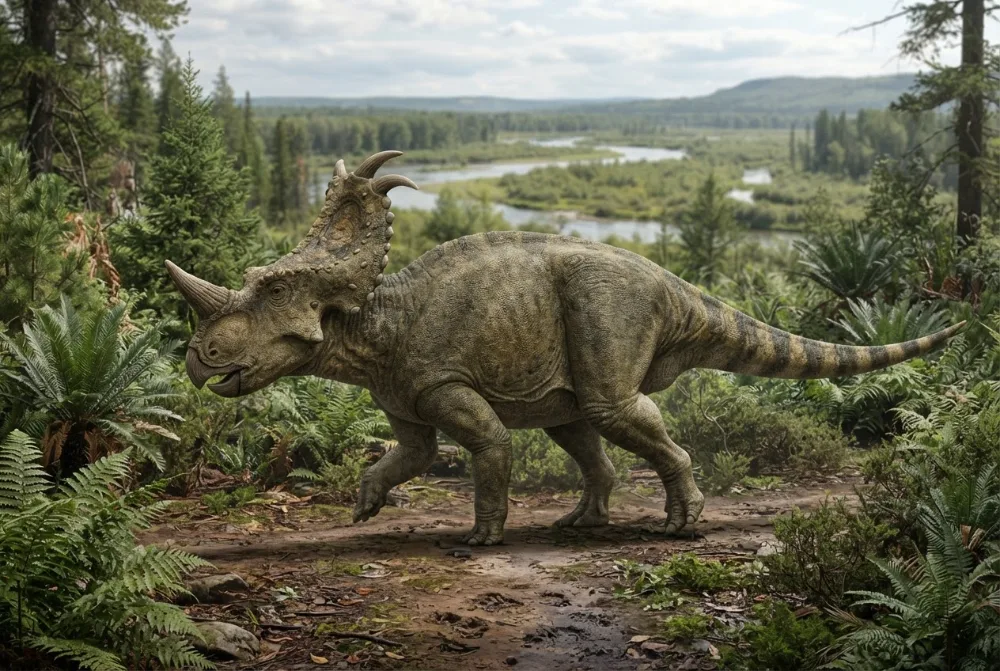
Monoclonius
Monoclonius was a plant-eating dinosaur with a big frill on its head and a horn on its nose. It lived about 75 million years ago in what is now Montana and Alberta. Scientists are not sure if Monoclonius is really its own dinosaur or just a young version of another dinosaur called Centrosaurus.12
E phetse neng?
E ne e le kgolo hakae?
E ne e le telele hakae?
E ne e phahame hakae?
kakanyo
E ne e le boima hakae?

 telele jwaloka dintja tse 6 ho tloha nkong ho isa mohatleng🍌telele jwaloka dibanana tse 31 di behilwe ka molaboima jwaloka dintja tse 110🍉boima jwaloka mahapu a 430🎒boima jwaloka ditlelase tse feletseng tse 2.5 tsa bana ba sekolo🐻❄️boima jwaloka dibere tse tshweu tse 5🏃e ne e ka matha dimitara tse 100 ka metsotswana e 11 (motho ya lebelo ka ho fetisisa o hloka 9,6)
Monoclonius e ne e le kgolo hakae ha e bapiswa le WENA?
Ke dipalo feela ho browser ya hao. Ha ho letho le bolokwang kapa le romelwang kae kapa kae.
E ne e le lebelo hakae?


Dintlha tse monate
Monoclonius was named in 1876 by the famous fossil hunter Edward Drinker Cope, just months after the Battle of the Little Bighorn.1
The name Monoclonius means 'single sprout' and refers to how its teeth grew, not to a horn. Cope thought only one set of teeth was used at a time.1
Many fossils once called Monoclonius are now thought to belong to other dinosaurs, like Centrosaurus or Styracosaurus.1
The type species is Monoclonius crassus, which means 'the fat one' in Latin.1
Monoclonius fossils have been found in the Judith River Formation in Montana and the Dinosaur Park Formation in Alberta.12
When Cope first described Monoclonius, he did not realize it was a horned dinosaur. He thought the skull frill was part of the breastbone.1
Dipotso tse botswang haholo ka Monoclonius
?How big was Monoclonius?
Monoclonius was up to 5 metres (16.5 feet) long and may have weighed about 2,170 kilograms (4,780 pounds).4
?What did Monoclonius eat?
Monoclonius was an herbivore, a plant eater. It probably ate cycads, palms, and other prehistoric plants with its tough, hook-like beak.4
?When did Monoclonius live?
Monoclonius lived in the Late Cretaceous period, about 76 to 73 million years ago, toward the end of the age of dinosaurs.4
?Why is Monoclonius called a nomen dubium?
Monoclonius is often considered a nomen dubium, or doubtful name, because the fossils are too incomplete or immature to be confidently matched with adult specimens. Many are thought to be young Centrosaurus.1
?Did Monoclonius have a horn on its nose?
Yes, Monoclonius had a single nose horn that pointed upwards and two smaller horns over its eyes, plus a small frill on its head.4
?Where were Monoclonius fossils found?
Monoclonius fossils have been found in Montana, USA, and Alberta, Canada.4
Mosenyi wa ditshomo
Tshomo: Monoclonius means 'single horn'.
Nnete: Monoclonius actually means 'single sprout', referring to its teeth, not a horn. Cope named it before he knew it was a horned dinosaur.1
Bakeng sa ditsebi tsa didinosaure
- Lebitso la saense
- Monoclonius
- E rehilwe ke
- Cope 18765
- Sehlopha
- Didinosaure tse dinaka
- Lelapa / leloko
- Ceratopsidae5
- Tlhophiso
- Ornithischia > Ceratopsia > Ceratopsidae5
- Dilemo tsa mafika
- dilemo tse dimilione tse 84 ho isa ho 72 (Campanian)5
- Dibopeho tsa mafika
- Oldman, Judith River, Kirtland5
- Dinaha
- Amerika, Kanada5
- Direkoto tsa difosili
- 13 ho The Paleobiology Database5
- Ho sibollwa
- Edward Drinker Cope named Monoclonius in 1876 based on fossils found near the Judith River in Montana by himself and a young Charles Sternberg.1
- E sa ntse e phehwa kgang
- Scientists debate whether Monoclonius is a valid genus or just a mix of juvenile Centrosaurus and other ceratopsids. Many consider it a nomen dubium (doubtful name).12
Moo dintlha di tswang teng
- Monoclonius (en.wikipedia.org)
- PBDB Taxon (paleobiodb.org)
- Monoclonius Cope 1876 - Encyclopedia of Life (eol.org)
- enchantedlearning.com (enchantedlearning.com)
- Monoclonius in The Paleobiology Database (CC BY 4.0): dilemo, dibaka, dibopeho tsa mafika, tlhophiso.
Ntlha e nngwe le e nngwe leqepheng lena e na le nomoro e supang mohlodi wa yona. Haeba re fositse ho hong, re kopa tshwarelo, re balatedi ba didinosaure, ha re koranta ya saense. Re bolelle ho [email protected] mme re tla e lokisa.
 Rex o lapile! Dino Wiki ke projeke ya ntate bakeng sa mora wa hae ya ratang didinosaure, ke mahala, ha ho dipapatso, ha ho disebedi. Batho ba baholo ba ka fepa Rex seneke ho thusa hore e dule e le inthaneteng.Fepa Rex
 Triceratops
 Protoceratops
 Ojoceratops
 Tatankaceratops
 Psittacosaurus
 Centrosaurus
 Tyrannosaurus
 Velociraptor
 Spinosaurus
 Ankylosaurus
 Parasaurolophus
 Pteranodon