 እንታይ ዳይኖሰር ኢኻ? ፈተና
 ውግእ ዳይኖሰራት
 ቅድድም ዳይኖሰራት
 ናይ ዳይኖሰር ንኣሽቱ ጸወታታት
 ኣልበም ስቲከራት
 ናይ ዳይኖሰራት TOP ዝርዝራት
 ኣገርመኒ!
መዓስ እዩ ዝነበረ?

ክንደይ ቅልጡፍ ነይሩ?


ደስ ዝብሉ ሓቅታት
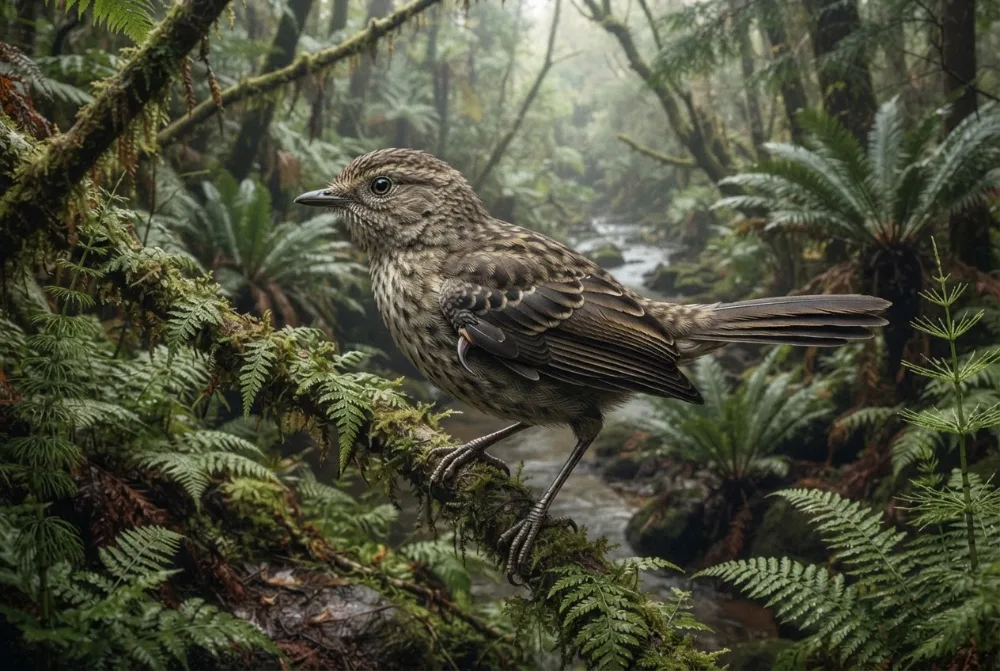
Musivavis is known from a single, nearly complete skeleton that is beautifully preserved on one slab of rock.2
It was much smaller than its closest relatives, the bohaiornithids, which were large-bodied enantiornithine birds.2
Its name comes from Latin words meaning 'mosaic' and 'bird', because it has a mix of features from different bird groups.2
Musivavis lived about 122 to 119 million years ago during the Aptian age of the Early Cretaceous.1
It had a furcula (wishbone) with a very deep groove and a sharp keel running along its entire underside.2
The specimen was a young adult, but scientists think it was almost full size when it died.2
ንክኢላታት ዳይኖሰር
- ሳይንሳዊ ስም
- Musivavis
- ዝሰመዮ
- Wang et al. 20224
- ጉጅለ
- ቀዳሞት ኣዕዋፍ
- ስድራ / ክላድ
- Enantiornithes4
- ምድባ
- Theropoda > Avialae4
- ዕድመ እቶም ኣኻውሕ
- 121 ክሳብ 113 ሚልዮን ዓመት (Aptian)4
- ናይ ኣኻውሕ ንብርብራት
- Jiufotang4
- ሃገራት
- ቻይና4
- መዛግብቲ ፎሲል
- 1 ኣብ The Paleobiology Database4
- ርኽበት
- Musivavis was named in 2022 by Wang and colleagues based on a nearly complete skeleton found in the Jiufotang Formation of Liaoning, China.12
- ገና ዘከራኽር
- Scientists are not sure exactly where Musivavis fits in the enantiornithine family tree, because different bird groups evolved similar features separately.2
ሓቅታት ካበይ ይመጹ
- Musivavis (en.wikipedia.org)
- A new bohaiornithid-like bird from the Lower Cretaceous of China fills a gap in enantiornithine disparity | Journal of Paleontology | Cambridge Core (cambridge.org)
- PBDB Taxon (paleobiodb.org)
- Musivavis in The Paleobiology Database (CC BY 4.0): ዕድመ፣ ቦታታት፣ ናይ ኣኻውሕ ንብርብራት፣ ምድባ።
ኣብዚ ገጽ ዘሎ ኩሉ ሓቂ ናብ ምንጩ ዘመልክት ቁጽሪ ኣለዎ። ጌጋ እንተ ጌርና፣ ይቕሬታ፣ ንሕና ፈተውቲ ዳይኖሰር ኢና፣ ሳይንሳዊ መጽሔት ኣይኮንናን። ኣብ [email protected] ንገረና፣ ክንእርሞ ኢና።
 ሬክስ ጠምዩ! Dino Wiki ሓደ ኣቦ ንዳይኖሰር ዘፍቅር ወዱ ዝሰርሖ ፕሮጀክት እዩ፣ ናጻ፣ መወዓውዒን ተኸታተልትን የብሉን። ዓበይቲ ኣብ መስመር ንኽጸንሕ ንሬክስ መኽሰስ ክህብዎ ይኽእሉ።ንሬክስ መግቦ
 Archaeopteryx
 Hesperornis
 Ichthyornis
 Baptornis
 Jurapteryx
 Gobipteryx
 Stegosaurus
 Iguanodon
 Giganotosaurus
 Microraptor
 Deinonychus
 Baryonyx