 O dino efe? Kwisi
 Ntwa ya didino
 Peiso ya didino
 Metshamekwana ya didino
 Alebamo ya disetikara
 Manane a TOP a didino
 Ngakgamatsa!
Castignovolucris
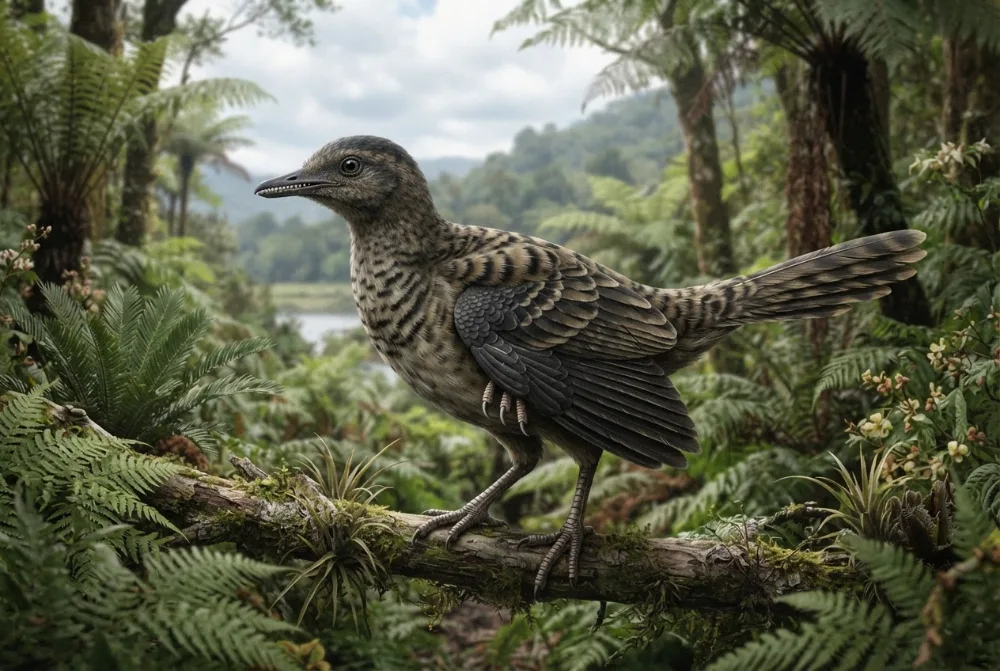
Castignovolucris was a big, ancient bird that lived in what is now France, about 74 to 72 million years ago. It was one of the largest enantiornithine birds ever found, maybe as big as a Canada goose. It had strong wings and could fly.21
E tshetse leng?
E ne e le kgolo go le kae?
E ne e le telele go le kae?
E ne e le kwa godimo go le kae?
kakanyo
 telele jaaka dikatse tsa mo gae di le 2 go tswa kwa nkong go ya kwa mogatleng🍌telele jaaka dibanana di le 6 di latelana⚽e ne e ka fofa go kgabaganya lebala lotlhe la kgwele ya dinao mo metsotswaneng e le 8.2
Castignovolucris e ne e le kgolo go le kae fa e bapisiwa le WENA?
Ke dipalo fela mo sebatling sa gago. Ga go sepe se se bolokwang kgotsa se se romelwang gope.
E ne e le bonako go le kae?


Dintlha tse di monate
Castignovolucris is known from just one bone, a right coracoid (a shoulder bone).2
This bird lived on the Ibero-Armorican island, which was a large island in what is now Europe during the Late Cretaceous.1
The fossil was found by a man named Stéphane Sèbe in the 1990s and later donated to the Musée de Cruzy.1
Castignovolucris was one of the largest enantiornithine birds, a group of ancient birds that had teeth and claws on their wings.1
The name Castignovolucris means 'Castigno valley bird' after the place where it was found.1
Ya baitseanape ba didino
- Leina la saense
- Castignovolucris
- Leina le neilwe ke
- Buffetaut et al. 20233
- Setlhopha
- Dinonyane tsa ntlha
- Lelapa / clade
- Enantiornithes3
- Thulaganyo
- Theropoda > Avialae3
- Bogolo jwa matlapa
- 84 go ya go 66 dimilione tsa dingwaga (Campanian / Maastrichtian)3
- Dibopego tsa matlapa
- Saint-Chinian3
- Dinaga
- Fora3
- Direkoto tsa difosili
- 1 mo The Paleobiology Database3
- Go fitlhelwa
- Castignovolucris was named and described in 2023 by paleontologists Eric Buffetaut, Delphine Angst, and Haiyan Tong, based on a single shoulder bone found in southern France.13
- Go sa ntse go ganetsanwa
- Scientists are not sure about the exact size of Castignovolucris because only one bone has been found. The wingspan and length are estimates.1
Kwa dintlha di tswang teng
- Castignovolucris (en.wikipedia.org)
- A new enantiornithine bird from Upper Cretaceous non-marine deposits at Villespassans (Hérault, southern France) - ADS (ui.adsabs.harvard.edu)
- Castignovolucris in The Paleobiology Database (CC BY 4.0): dingwaga, mafelo, dibopego tsa matlapa, thulaganyo.
Ntlha nngwe le nngwe mo tsebeng eno e na le nomoro e e supang motswedi wa yona. Fa re dirile phoso, maitshwarelo, re barati ba didino, ga re lokwalodikgang lwa saense. Re bolelele kwa [email protected] mme re tla e baakanya.
 Rex o tshwerwe ke tlala! Dino Wiki ke porojeke ya rre e a e diretseng morwawe yo o ratang didino, ke mahala, ga e na dipapatso e bile ga e na dilatedi. Batho ba bagolo ba ka fepa Rex senyamo go thusa gore e nne mo inthaneteng.Fepa Rex
 Archaeopteryx
 Hesperornis
 Ichthyornis
 Baptornis
 Jurapteryx
 Gobipteryx
 Tyrannosaurus
 Triceratops
 Velociraptor
 Spinosaurus
 Ankylosaurus
 Parasaurolophus