 O dino efe? Kwisi
 Ntwa ya didino
 Peiso ya didino
 Metshamekwana ya didino
 Alebamo ya disetikara
 Manane a TOP a didino
 Ngakgamatsa!
Epichirostenotes
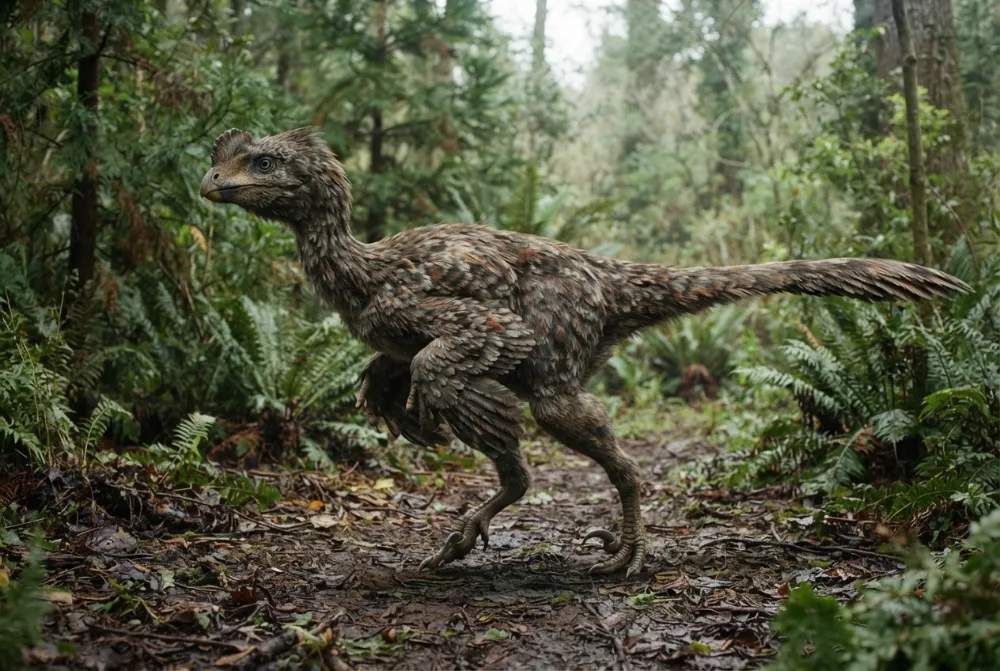
Epichirostenotes was a bird-like dinosaur that lived about 72 million years ago in what is now Alberta, Canada. It had a toothless beak and probably ate both plants and small animals. This dinosaur was an oviraptorosaur, a group known for their fancy feathers and strange skulls.14
E tshetse leng?
E ne e le kgolo go le kae?
E ne e le telele go le kae?
E ne e le kwa godimo go le kae?
kakanyo
E ne e le bokete go le kae?
 telele jaaka dintšwa di le 3 go tswa kwa nkong go ya kwa mogatleng🍌telele jaaka dibanana di le 18 di latelana🍉bokete jaaka magapu a le 29🧸bokete jaaka bana ba kreše ba le 8🎒bokete jaaka bana ba sekolo ba le 5🏃e ne e ka taboga dimetara di le 100 mo metsotswaneng e le 7.7 (motho yo o bonako go gaisa o tlhoka 9,6)
Epichirostenotes e ne e le kgolo go le kae fa e bapisiwa le WENA?
Ke dipalo fela mo sebatling sa gago. Ga go sepe se se bolokwang kgotsa se se romelwang gope.
E ne e le bonako go le kae?


Dintlha tse di monate
Epichirostenotes is known from an incomplete skeleton found in 1923 in the Horseshoe Canyon Formation of Alberta.1
Its inner ear had a twisted common crus and an expanded anterior semicircular canal, which may have helped with balance.1
The name Epichirostenotes means 'above Chirostenotes' because it lived later than its relative Chirostenotes.1
This dinosaur belongs to the family Caenagnathidae, which are oviraptorosaurs that had toothless beaks and often crests on their heads.14
Epichirostenotes lived about 72 million years ago during the Late Cretaceous period.1
Dipotso tse di botswang thata ka ga Epichirostenotes
?How big was Epichirostenotes?
It was a small dinosaur, roughly 1 to 3 metres long (about 3 to 10 feet).4
?Did Epichirostenotes have feathers?
Yes, it was an oviraptorosaur, a group known for having fancy feathers.1
?When did Epichirostenotes live?
It lived about 72 million years ago, during the Late Cretaceous period.1
Ya baitseanape ba didino
- Leina la saense
- Epichirostenotes
- Leina le neilwe ke
- Sullivan et al. 20114
- Setlhopha
- Didino tse di sa tlwaelegang tsa dintsiba
- Lelapa / clade
- Caenagnathidae4
- Thulaganyo
- Theropoda > Oviraptorosauria4
- Bogolo jwa matlapa
- 84 go ya go 72 dimilione tsa dingwaga (Campanian)4
- Dibopego tsa matlapa
- Horseshoe Canyon4
- Dinaga
- Khanata4
- Direkoto tsa difosili
- 1 mo The Paleobiology Database4
- Go fitlhelwa
- The first skeleton of Epichirostenotes was found in 1923 in Alberta, Canada. It was originally thought to be a different dinosaur called Chirostenotes pergracilis, but in 2011 scientists Sullivan, Jasinski, and van Tomme gave it its own name, Epichirostenotes curriei.1
- Go sa ntse go ganetsanwa
- Scientists are not sure exactly how big Epichirostenotes was, because only a partial skeleton has been found.1
Kwa dintlha di tswang teng
- Epichirostenotes (en.wikipedia.org)
- Epichirostenotes Sullivan et al. 2011 - Encyclopedia of Life (eol.org)
- Epichirostenotes curriei | Dinosaur Database by DinoAnimals.com (dinoanimals.com)
- Epichirostenotes in The Paleobiology Database (CC BY 4.0): dingwaga, mafelo, dibopego tsa matlapa, thulaganyo.
Ntlha nngwe le nngwe mo tsebeng eno e na le nomoro e e supang motswedi wa yona. Fa re dirile phoso, maitshwarelo, re barati ba didino, ga re lokwalodikgang lwa saense. Re bolelele kwa [email protected] mme re tla e baakanya.
 Rex o tshwerwe ke tlala! Dino Wiki ke porojeke ya rre e a e diretseng morwawe yo o ratang didino, ke mahala, ga e na dipapatso e bile ga e na dilatedi. Batho ba bagolo ba ka fepa Rex senyamo go thusa gore e nne mo inthaneteng.Fepa Rex
Tse dingwe tsa setlhopha se le sengwe: Didino tse di sa tlwaelegang tsa dintsiba
 TherizinosaurusDidino tse di sa tlwaelegang tsa dintsiba
 OviraptorDidino tse di sa tlwaelegang tsa dintsiba
 ChirostenotesDidino tse di sa tlwaelegang tsa dintsiba
 CitipesDidino tse di sa tlwaelegang tsa dintsiba
 LeptorhynchosDidino tse di sa tlwaelegang tsa dintsiba
 AvimimusDidino tse di sa tlwaelegang tsa dintsiba
 Tyrannosaurus
 Triceratops
 Velociraptor
 Spinosaurus
 Ankylosaurus
 Parasaurolophus