 Ban dino nga? Kiis
 Xeexu dino
 Rawante dino
 Fo yu ndaw yu dino
 Albomu sitikeer
 Limu TOP yu dino
 Bett ma!
Kañ la dundoon?

Naka la réyoon?
Naka la guddoon?
Naka la kawewoon?
jortu
Naka la diisoon?
 gudd ni 2 oto yu ñu taxawal ci benn rëdd🍌gudd ni 56 banaana yu ñu topp-toppale
 diis ni 200 xaj🍉diis ni 780 xaal🎒diis ni 5 klaas yu mat yu xale yu lekkool🐻❄️diis ni 9 uurs yu weex🏃mënoon na daw 100 meetar ci 14 segond (nit ki gën a gaaw dafay soxla 9,6)
Naka la Siats réyoon, bu ñu ko méngalee ak YAW?
Ay kalkil rekk ci sa navigatëer. Dara du ñu denc, dara du ñu yónne fenn.
Naka la gaawoon?


Xibaar yu neex
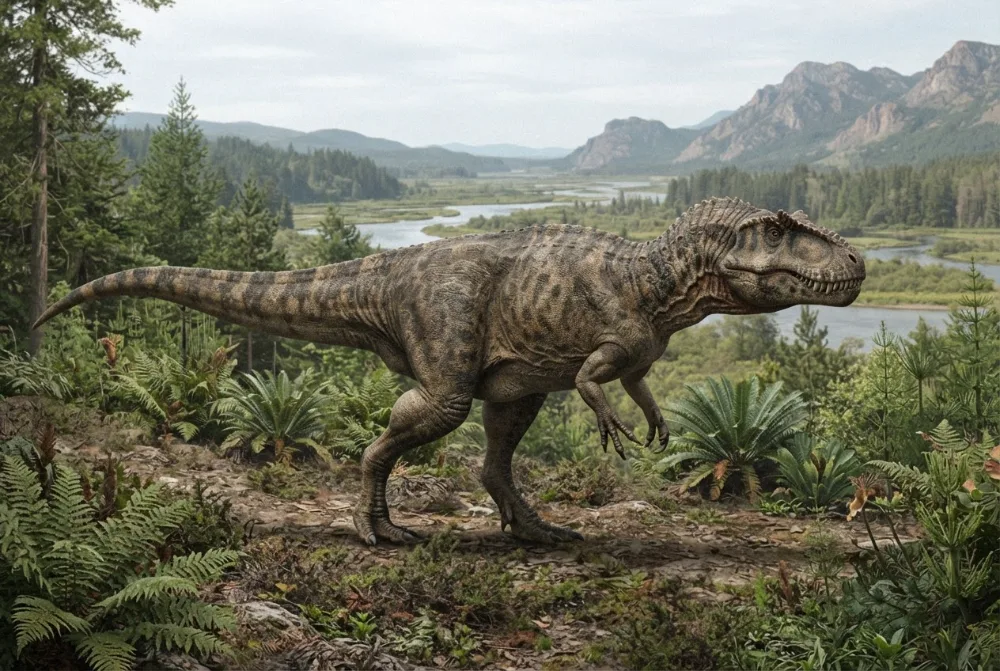
Siats was one of the largest predators in North America during the early Late Cretaceous, weighing about 3.9 metric tons (4.3 short tons).1
The only known Siats skeleton is from a young animal, not a fully grown adult, so it might have been even bigger.12
Siats lived at the same time and place as small tyrannosauroids, and scientists think it may have kept them from growing huge.2
Siats is the first megaraptoran dinosaur ever found in North America.2
The fossil bones were found sticking out of a hillside during a 2008 expedition.1
Laaj yi ñu gën a laaj ci Siats
?How big was Siats?
Siats was about 10 metres (33 feet) long and weighed around 3.9 metric tons (4.3 short tons). That is as heavy as two large cars.14
?What did Siats eat?
Siats was a meat-eater that probably hunted plant-eating dinosaurs like Eolambia. It was the top predator of its time.24
?Was Siats bigger than T. rex?
No, Siats was smaller than T. rex. T. rex could be over 12 metres (40 feet) long and weigh more than 8 metric tons, while Siats was about 10 metres (33 feet) long and weighed about 4 metric tons.14
?When did Siats live?
Siats lived about 98 million years ago, during the early Late Cretaceous period. That is about 30 million years before T. rex appeared.12
Ngir ñi xam dino lool
- Turu xam-xam
- Siats
- Ku ko tudde
- Zanno and Makovicky 20135
- Kurél
- Dino yuy lekk yàpp
- Njaboot / klad
- Megaraptora5
- Klasifikasiyoŋ
- Theropoda > Megaraptora5
- Màggaayu doj yi
- 100 ba 94 milyoŋ at (Cenomanian)5
- Formasiyoŋi doj
- Cedar Mountain5
- Réew yi
- Amerig5
- Fosil yu ñu gis
- 1 ci The Paleobiology Database5
- Gisees
- Siats was discovered by Lindsay Zanno during a 2008 Field Museum expedition with Peter Makovicky. The bones were collected from 2008 to 2010 in Utah, and the dinosaur was named in 2013.1
- Ñu ngi koy werante ba tey
- Scientists are not sure exactly where Siats belongs in the dinosaur family tree. Some think it was a megaraptoran, while others suggest it was closer to tyrannosaurs.1
Fa xibaar yi jóge
- Siats (en.wikipedia.org)
- Neovenatorid theropods are apex predators in the Late Cretaceous of North America | Nature Communications (nature.com)
- Siats (en.wikipedia.org)
- Dominant Dinosaur That Lived Before T. rex Discovered - Field Museum (fieldmuseum.org)
- Siats in The Paleobiology Database (CC BY 4.0): at, béréb yi, formasiyoŋi doj, klasifikasiyoŋ.
Bépp xibaar ci xët wii am na lim bu wone fa mu jóge. Su nu juumee, baal nu, nun ñu bëgg dino lanu, du ab sërnaalu xam-xam. Wax nu ko ci [email protected] nu defar ko.
 Rex xiif na! Dino Wiki, mbiru ab baay la ngir doomam ju góor ju bëgg dinosoor, ci neen te amul kaamuñaate, amul tracker. Mag ñi mën nañu jox Rex tuuti ñam ngir dimbali ko mu des ci internet.Dundal Rex
 Allosaurus
 Carnotaurus
 Dilophosaurus
 Giganotosaurus
 Compsognathus
 Paronychodon
 Tyrannosaurus
 Triceratops
 Velociraptor
 Spinosaurus
 Ankylosaurus
 Parasaurolophus