 Uyiyiphi idayinaso? Ikwizi
 Idabi leedayinaso
 Ugqatso lweedayinaso
 Imidlalo emincinci yeedayinaso
 I-albhamu yezitikha
 Iilisti ze-TOP zeedayinaso
 Ndothuse!
Apatoraptor
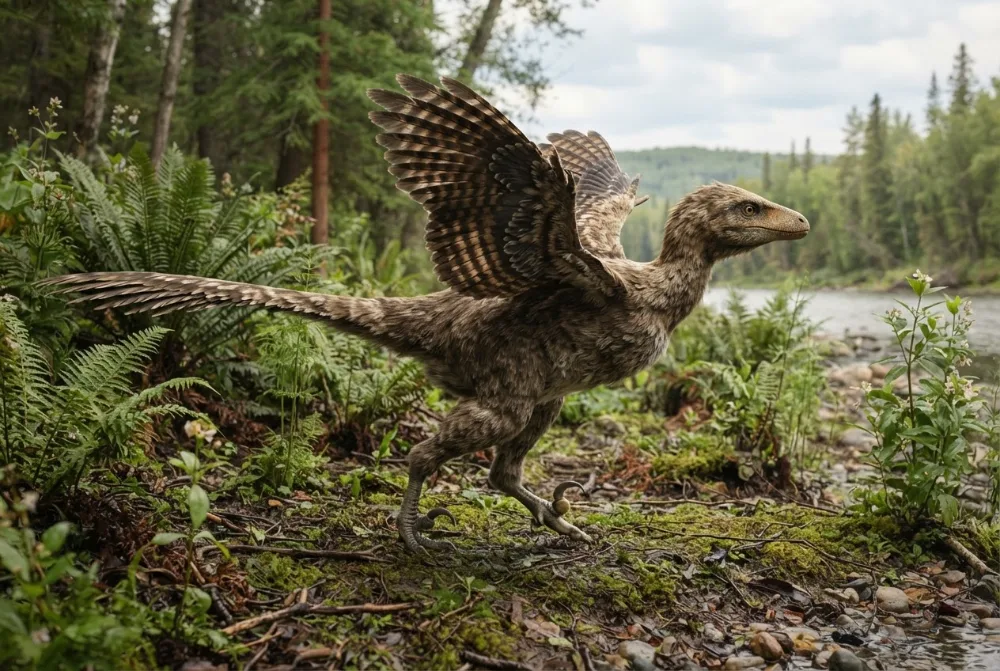
Apatoraptor was a toothless, feathered dinosaur that lived in what is now Alberta, Canada. It had long wings covered in feathers, but it could not fly. Instead, it probably used its flashy wings to show off and attract mates.1
Yaphila nini?
Yayinkulu kangakanani?
Yayinde kangakanani?
Yayiphakame kangakanani?
uqikelelo
Yayinzima kangakanani?

 inde njengeekati zasekhaya ezingama-4, impumlo ukuya emsileni🍌inde njengeebhanana ezingama-11 zilandelelana🍉inzima njengamavatala angama-36🧸inzima njengabantwana basenkulisa abangama-9🎒inzima njengabantwana besikolo abangama-6🏃ibinokubaleka iimitha ezili-100 ngemizuzwana engama-7.7 (oyena mntu ukhawulezayo udinga i-9,6)
Apatoraptor wayemkhulu kangakanani xa ethelekiswa NAWE?
Yimathematika nje kwibhrawuza yakho. Akukho nto igcinwayo okanye ithunyelwe naphi na.
Yayikhawuleza kangakanani?


Iinyani ezimnandi
Apatoraptor had no teeth. Its beak was toothless, like a bird's.2
Its name means 'deceptive thief' because its skeleton was mistaken for a different kind of dinosaur for many years.1
The fossil was found in 1993 but sat on a shelf for 15 years before scientists realized it was something new.1
Apatoraptor had pits on its arm bones that show it had feathers on its wings. These wings were probably used for display, not flight.1
It is one of the most complete caenagnathid skeletons ever found in Alberta, with many bones still in their original positions.1
Apatoraptor lived during the Maastrichtian age, about 72 to 66 million years ago.4
Its neck was long and made of at least 11 vertebrae, and its ribs had finger-like extensions called uncinate processes.2
Eyona mibuzo ibuzwa kakhulu: Apatoraptor
?How big was Apatoraptor?
It was about 2 metres long and weighed around 180 kilograms, which is larger than a human.3
?Could Apatoraptor fly?
No. It had long wings covered in feathers, but it was too heavy to fly. It used its wings for display instead.3
?When did Apatoraptor live?
It lived about 70 million years ago, during the Campanian age of the Late Cretaceous, in what is now Alberta, Canada.3
Inyaniso ngeentsomi
Intsomi: Apatoraptor could fly because it had feathered wings.
Inyaniso: Apatoraptor had wings with feathers, but they were too small and weak for flight. They were probably used to show off to other dinosaurs.1
Kwiingcali zeedayinaso
- Igama lenzululwazi
- Apatoraptor
- Inikwe igama ngu:
- Funston and Currie 20164
- Iqela
- Iidayinaso ezingaqhelekanga ezineentsiba
- Usapho / iclade
- Caenagnathidae4
- Ukuhlelwa
- Theropoda > Oviraptorosauria4
- Ubudala bamatye
- 72 ukuya ku-66 izigidi zeminyaka (Maastrichtian)4
- Izakhiwo zamatye
- Horseshoe Canyon4
- Amazwe
- iKhanada4
- Iirekhodi zeefosili
- 1 kwi-Paleobiology Database4
- Ukufunyanwa
- Apatoraptor was named in 2016 by Gregory Funston and Philip Currie. The skeleton was found in 1993 in Alberta, Canada, but was mistaken for a different dinosaur until it was prepared years later.41
- Kusaxoxwa ngayo
- Scientists are still debating exactly how Apatoraptor and other caenagnathids are related to each other. This skeleton helped clear up some of those relationships.2
Apho iinyani zivela khona
- Deceptive feathered dinosaur finally gets a name (ualberta.ca)
- tandfonline.com (tandfonline.com)
- Newly identified Alberta dinosaur had arm muscles fit to lift feathers | CBC News (cbc.ca)
- Apatoraptor in The Paleobiology Database (CC BY 4.0): ubudala, iindawo, izakhiwo zamatye, ukuhlelwa.
Yonke inyani ekweli phepha inenombolo ebonisa umthombo wayo. Ukuba siphosisile, uxolo, sithanda iidayinaso, asiyojenali yenzululwazi. Sixelele apha: [email protected], siya kuyilungisa.
 URex ulambile! I-Dino Wiki yiprojekthi katata ukwenzela unyana wakhe othanda iidayinaso, isimahla, ayinazintengiso, ayinazilandeli. Abantu abadala banokuphakela uRex isidlwana ukuze incede ihlale kwi-intanethi.Phakela uRex
Ezinye ezivela kwiqela elinye: Iidayinaso ezingaqhelekanga ezineentsiba
 TherizinosaurusIidayinaso ezingaqhelekanga ezineentsiba
 OviraptorIidayinaso ezingaqhelekanga ezineentsiba
 ChirostenotesIidayinaso ezingaqhelekanga ezineentsiba
 CitipesIidayinaso ezingaqhelekanga ezineentsiba
 LeptorhynchosIidayinaso ezingaqhelekanga ezineentsiba
 AvimimusIidayinaso ezingaqhelekanga ezineentsiba
 Tyrannosaurus
 Triceratops
 Velociraptor
 Spinosaurus
 Ankylosaurus
 Parasaurolophus