 Woyɛ dino bɛn? Nsɛmmisa agoro
 Dino ko
 Dino mmirikatuo
 Dino agodie nketewa
 Stika nwoma
 Dino TOP nhyehyɛeɛ
 Ma me nwanwa!
Rhabdodon
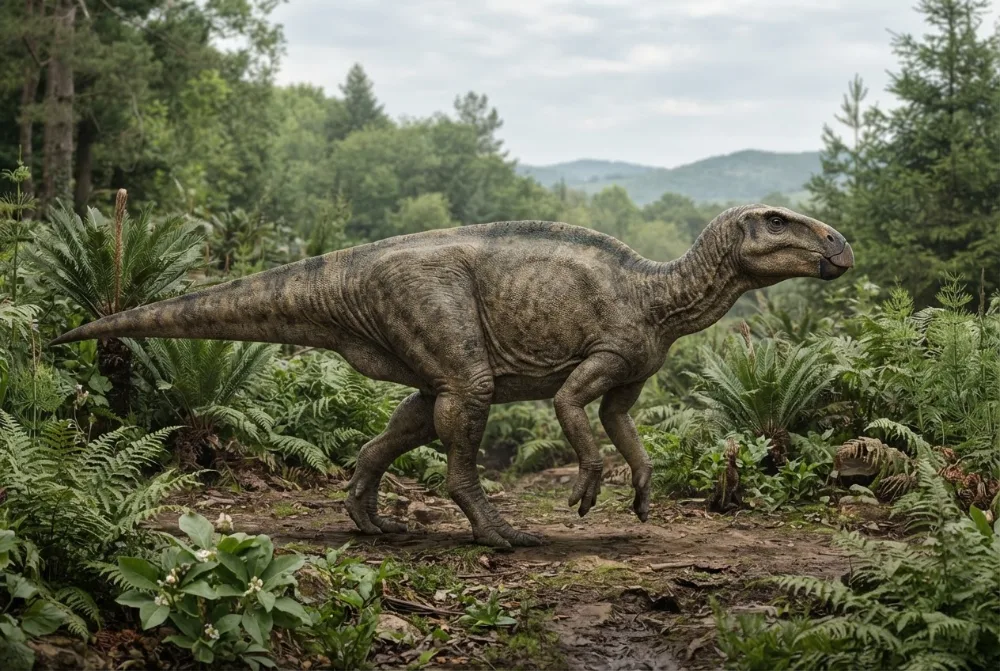
Rhabdodon was a plant-eating dinosaur that lived in Europe near the end of the Age of Dinosaurs. It had a strong beak for snipping leaves and walked on two legs, but could also drop to all fours. It was one of the biggest members of its family, the rhabdodontids.21
Berɛ bɛn na ɛtenaa ase?
Na ne kɛseɛ yɛ sɛn?
Na ne tenten yɛ sɛn?
Na ne korɔn yɛ sɛn?
Na ne mu yɛ duru sɛn?
 ne tenten te sɛ nkraman 6 firi hwene kɔsi dua🍌ne tenten te sɛ kwadu 33 a wɔde abɔ toatoa so🍉ne mu duru te sɛ watamɛlɔn 50🧸ne mu duru te sɛ nkɔkɔaa sukuu mmofra 13🎒ne mu duru te sɛ sukuu mmofra 8🏃anka ɔbɛtumi atu mmirika mita 100 wɔ sikɛn 8.4 mu (onipa a ɔyɛ ntɛm sen biara hia 9.6)
Rhabdodon kɛseɛ yɛ sɛn sɛ wode toto WO ho a?
Akontaa nko ara wɔ wo browser mu. Yɛnkora biribiara so, na yɛmmfa biribiara nkɔ baabiara.
Na ɛyɛ ntɛm sɛn?


Nsɛm a ɛyɛ anigye
Rhabdodon lived about 72 to 69 million years ago, during the Late Cretaceous period.2
Its name means 'rod tooth' because its teeth were shaped like little rods.1
Rhabdodon was big for a rhabdodontid, measuring about 4 metres (13 feet) long and weighing 250 kilograms (550 pounds). Some fossils suggest it could grow up to 6 metres (20 feet) long.2
Scientists once thought Rhabdodon was a dwarf dinosaur because it lived on islands, but new research shows it was actually a giant compared to its closest relatives.2
Rhabdodon shared its home with other dinosaurs like the sauropod Ampelosaurus and the carnivorous theropods Arcovenator and Pyroraptor.2
Nsɛm a wɔbisa bebree fa Rhabdodon ho
?What did Rhabdodon eat?
Rhabdodon was a plant-eater, or herbivore. It ate C3 plants, which are the most common type of plants, like trees and shrubs.2
?How big was Rhabdodon?
Rhabdodon was about 4 metres (13 feet) long and weighed 250 kilograms (550 pounds). Some fossils suggest it could grow up to 6 metres (20 feet) long.21
?When did Rhabdodon live?
Rhabdodon lived during the Late Cretaceous period, about 72 to 69 million years ago. Other estimates suggest it lived between 76 and 70 million years ago.21
?Where was Rhabdodon found?
Rhabdodon fossils have been found in southern France, and also in Spain, Romania, and Austria. It lived across much of southern Europe.21
Atosɛm sɛefoɔ
Atosɛm: Rhabdodon was a small, weak dinosaur because it lived on islands.
Nokorɛ: Rhabdodon was actually one of the largest rhabdodontids, and scientists now think it grew big on the mainland, not as a dwarf on islands.2
Ma dino ho animdefoɔ
- Nyansahu din
- Rhabdodon
- Obi a ɔtoo din
- Matheron 18694
- Kuo
- Ahabandifoɔ a wɔwɔ anomaa ano
- Abusua / kuo kɛseɛ
- Rhabdodontidae4
- Nkyekyɛmu
- Ornithischia > Ornithopoda > Iguanodontia4
- Abotan no mfeɛ
- mfeɛ ɔpepem 84 kɔsi 66 (Campanian / Maastrichtian)4
- Abotan nhyehyɛeɛ
- Marnes Rouges Inférieures, Grès à Reptiles, Grünbach4
- Aman
- Frɛnse, Spania, Romania, Ɔstria4
- Fɔsil nkyerɛwee
- 37 wɔ The Paleobiology Database mu4
- Wɔsan frɛ no
- Oligosaurus, Ornithomerus (din dada no nso, yɛkan no sɛ aboa korɔ no ara)4
- Nhunumu
- Rhabdodon was named by French paleontologist Philippe Matheron in 1869 based on fossils from the Fuveau Basin in southern France. The name was originally spelled two ways, but the ICZN officially fixed it as Rhabdodon priscus in 1988.24
- Wɔda so gye ho akyinnye
- Scientists are not sure whether Rhabdodon was a dwarf or a giant, because some fossils are much larger than others, and it lived on both islands and the mainland.2
Baabi a nsɛm no firi
- Rhabdodon (nhm.ac.uk)
- Rhabdodon (en.wikipedia.org)
- RHABDODON : DinoChecker dinosaur archive (dinochecker.com)
- Rhabdodon in The Paleobiology Database (CC BY 4.0): mfeɛ, mmeaeɛ, abotan nhyehyɛeɛ, nkyekyɛmu.
Asɛm biara a ɛwɔ krataafa yi so wɔ nɔma a ɛkyerɛ baabi a ɛfiri. Sɛ yɛfom biribi a, kafra, yɛyɛ dino dɔfoɔ, yɛnyɛ nyansahu nsɛmma krataa. Ka kyerɛ yɛn wɔ [email protected] na yɛbɛsiesie.
 Ɔkɔm de Rex! Dino Wiki yɛ agya bi adwuma a ɔyɛɛ maa ne babarima a ɔdɔ dino. Ɛyɛ kwa, dawurubɔ biara nni mu, akyidifoɔ biara nni mu. Mpanimfoɔ bɛtumi ama Rex aduane kakra, na aboa ama Dino Wiki atena intanɛt so.Ma Rex aduane
 Iguanodon
 Tenontosaurus
 Thescelosaurus
 Zalmoxes
 Camptosaurus
 Nanosaurus
 Tyrannosaurus
 Triceratops
 Velociraptor
 Spinosaurus
 Ankylosaurus
 Parasaurolophus