 Home
 All dinos
 Dino groups
 Explore
 Dinos by country
 Dino vs dino
 How big were they?
 Dinos A to Z
 Who ate what?
 What dino are you? Quiz
 Dino games
 Dino battle
 Dino race
 Dino mini-games
 Sticker album
 Dino TOP lists
 Timeline
 Surprise me!
 Language: English

Altirhinus
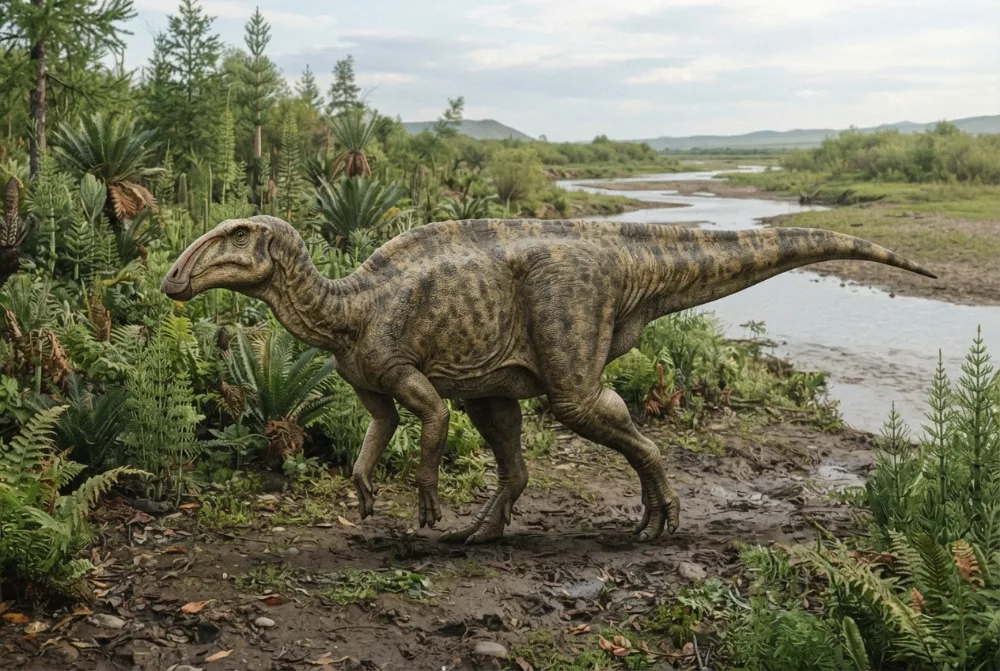
Altirhinus was a big, plant-eating dinosaur that walked on two legs but could also drop to all fours to munch on low plants. It had a tall bump on its snout that gave it its name, and a wide mouth like a duck's bill for scooping up food.1
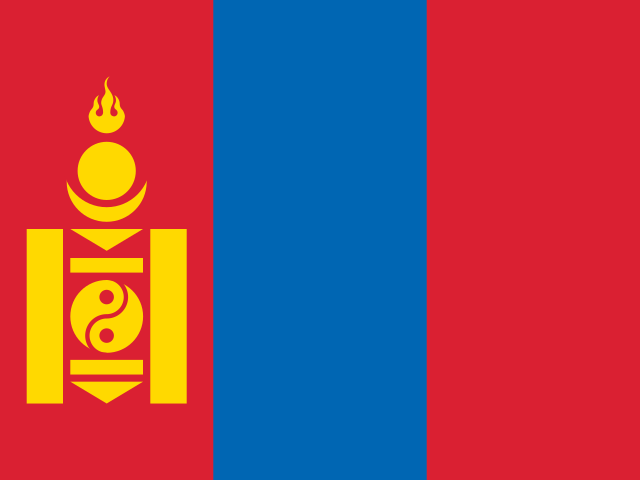 Mongolia
When did it live?
Altirhinus: 110 to 100 million years ago
How big was it?
How long was it?
How tall was it?
estimate
How heavy was it?
 as long as 8 dogs nose to tail🍌as long as 44 bananas end to end🍉as heavy as 220 watermelons🧸as heavy as 58 kindergarten kids🎒as heavy as 34 school kids🐻❄️as heavy as 2.5 polar bears🏃could run 100 metres in 11 seconds (the fastest human needs 9.6)
How big was Altirhinus compared to YOU?
Just maths in your browser. Nothing is saved or sent anywhere.
How fast was it?


Fun facts
Altirhinus had a thumb spike like a sharp nail, which it might have used for defense or to break open seeds.1
Its fifth finger could move a bit like a thumb, helping it grab food while eating.1
The tall arch on its snout was made by the nasal bones, and scientists think it might have been used for cooling, smelling, or showing off to other Altirhinus.1
Altirhinus lived about 125 to 100 million years ago, during the Early Cretaceous Period.1
Fossils of several Altirhinus of different ages were found together, including a nearly complete skull and a set of 34 tail bones.1
Altirhinus is a close relative of the duck-billed dinosaurs called hadrosaurids, but it lived a bit earlier.1
Most asked questions about Altirhinus
?How big was Altirhinus?
About 6.5 to 8 metres long and weighed around 1.1 tonnes.1
?What did Altirhinus eat?
It was a plant-eater. It used its wide beak to crop plants and its cheek teeth to chew them, just like cows do today.1
?Why did Altirhinus have a bump on its nose?
Scientists aren't sure. It might have been used for cooling, smelling, making sounds, or showing off to other Altirhinus, like a peacock's tail.1
?When did Altirhinus live?
It lived during the Early Cretaceous Period, about 125 to 100 million years ago.1
Myth buster
Myth: Altirhinus is the same as Iguanodon orientalis.
Truth: Altirhinus was originally thought to be Iguanodon orientalis, but scientists later realized the old fossils were too broken to tell, and the new ones were a different dinosaur.1
For dino experts
- Scientific name
- Altirhinus
- Named by
- Norman 19982
- Group
- Beaked plant-eaters
- Family / clade
- Neoiguanodontia2
- Classification
- Ornithischia > Ornithopoda > Iguanodontia2
- Age of the rocks
- 110 to 100 million years (Albian)2
- Rock formations
- Khuren Dukh2
- Countries
- Mongolia2
- Fossil records
- 1 in the Paleobiology Database2
- Discovery
- Altirhinus was named by British paleontologist David B. Norman in 1998, based on fossils found in 1981 by a Soviet-Mongolian team led by Sergei Kurzanov.1
- Still debated
- Scientists are not sure what the tall arch on Altirhinus's snout was for. It might have helped with cooling, smelling, making sounds, or attracting mates.1
Where the facts come from
- Altirhinus (en.wikipedia.org)
- Altirhinus in The Paleobiology Database (CC BY 4.0): age, places, rock formations, classification.
Every fact on this page has a number that points to its source. If we got something wrong, sorry, we are dino fans, not a science journal. Tell us at hello@dinowiki.app and we will fix it.
 Rex is hungry! Dino Wiki is a dad's project for his dino-loving son, free with no ads and no cookies. Grown-ups can feed Rex a snack to help keep it online.Feed Rex
 Iguanodon
 Tenontosaurus
 Thescelosaurus
 Zalmoxes
 Camptosaurus
 Rhabdodon
 Archaeopteryx
 Giganotosaurus
 Microraptor
 Deinonychus
 Baryonyx
 Asiamericana