 Home
 All dinos
 Dino groups
 Explore
 Dinos by country
 Dino vs dino
 How big were they?
 Dinos A to Z
 Who ate what?
 What dino are you? Quiz
 Dino games
 Dino battle
 Dino race
 Dino mini-games
 Sticker album
 Dino TOP lists
 Timeline
 Surprise me!
 Language: English
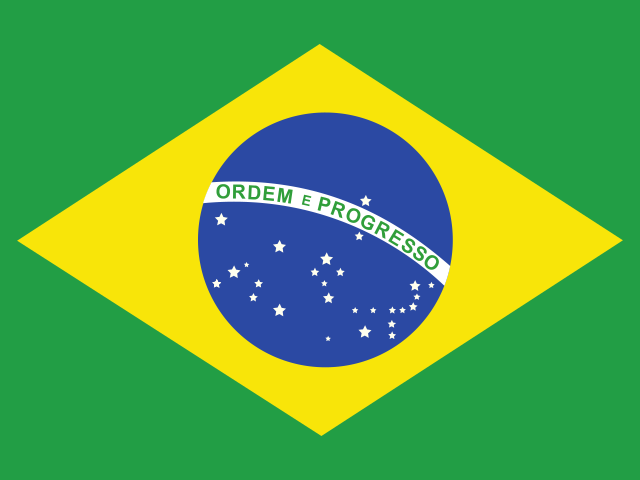 Brazil
When did it live?
Buriolestes: 237 to 227 million years ago

How big was it?
How long was it?
How tall was it?
at the hips
How heavy was it?
 as long as 4 house cats nose to tail🍌as long as 11 bananas end to end🍌as heavy as 130 bananas🏃could run 100 metres in 12 seconds (the fastest human needs 9.6)
How big was Buriolestes compared to YOU?
Just maths in your browser. Nothing is saved or sent anywhere.
How fast was it?


Fun facts
Buriolestes is one of the oldest known dinosaurs, living about 233 million years ago during the Late Triassic.13
Even though Buriolestes was a meat-eater, it belonged to the sauropodomorph group, which later gave rise to giant plant-eaters like Diplodocus.12
Its fossils were found right next to a lagerpetid called Ixalerpeton, showing that early dinosaurs lived alongside their dinosaur-like cousins.12
Buriolestes had a downturned jaw tip and a long crest on its upper arm bone, traits that later sauropodomorphs also had.1
The name Buriolestes means 'Buriol robber', after the Buriol family who owned the land where it was found.1
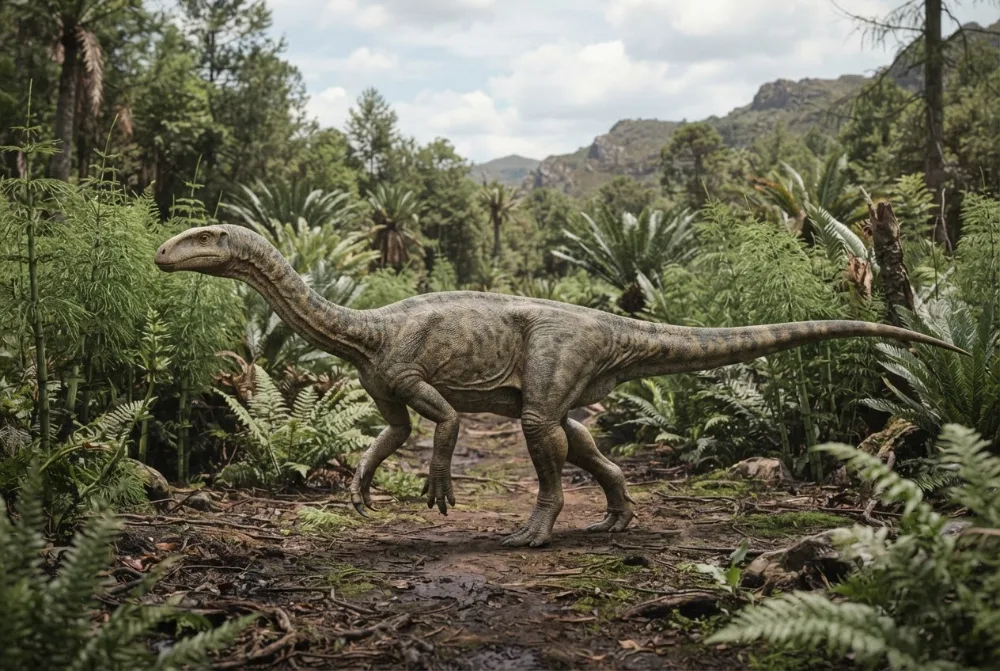
Most asked questions about Buriolestes
?What did Buriolestes eat?
Buriolestes was a carnivore, likely preying on small vertebrates and soft invertebrates. Its curved, serrated teeth were well-suited for slicing meat.12
?How big was Buriolestes?
Buriolestes was small, with one robust individual weighing over 15 kg (34 lb) and others weighing between 6.4 and 7.2 kg (14 to 16 lb). Its femur was about 135 mm long.2
?When did Buriolestes live?
Buriolestes lived about 233 million years ago during the Late Triassic, in the Carnian epoch. It is one of the oldest known dinosaurs.1
?Was Buriolestes a dinosaur?
Yes, Buriolestes was a dinosaur, specifically an early sauropodomorph. It was a meat-eater but belonged to the group that later gave rise to giant plant-eaters like Diplodocus.1
?Where was Buriolestes found?
Buriolestes was found in the Buriol ravine in São João do Polêsine, Brazil, in the Santa Maria Formation. The holotype was discovered in 2009.1
For dino experts
- Scientific name
- Buriolestes
- Named by
- Cabreira et al. 20164
- Group
- Long-necks
- Family / clade
- Sauropodomorpha4
- Classification
- Sauropodomorpha4
- Age of the rocks
- 237 to 227 million years (Carnian)4
- Rock formations
- Santa Maria4
- Countries
- Brazil4
- Fossil records
- 1 in the Paleobiology Database4
- Discovery
- Buriolestes was discovered in 2009 in a ravine in Brazil and named in 2016 by paleontologist Cabreira and his team. The species name honors paleontologist Cesar Schultz.1
- Still debated
- Scientists are still debating whether the smaller bones found with the main Buriolestes skeleton belong to a juvenile or a different dinosaur.1
Where the facts come from
- Buriolestes (en.wikipedia.org)
- A Unique Late Triassic Dinosauromorph Assemblage Reveals Dinosaur Ancestral Anatomy and Diet: Current Biology (cell.com)
- PBDB Taxon (paleobiodb.org)
- Buriolestes in The Paleobiology Database (CC BY 4.0): age, places, rock formations, classification.
Every fact on this page has a number that points to its source. If we got something wrong, sorry, we are dino fans, not a science journal. Tell us at hello@dinowiki.app and we will fix it.
 Rex is hungry! Dino Wiki is a dad's project for his dino-loving son, free with no ads and no cookies. Grown-ups can feed Rex a snack to help keep it online.Feed Rex
 Brachiosaurus
 Diplodocus
 Brontosaurus
 Argentinosaurus
 Camarasaurus
 Morosaurus
 Nothosaurus
 Coelophysis
 Podokesaurus
 Simosaurus
 Eudimorphodon
 Herrerasaurus