 Home
 All dinos
 Dino groups
 Explore
 Dinos by country
 Dino vs dino
 How big were they?
 Dinos A to Z
 Who ate what?
 What dino are you? Quiz
 Dino games
 Dino battle
 Dino race
 Dino mini-games
 Sticker album
 Dino TOP lists
 Timeline
 Surprise me!
 Language: English

Paraxenisaurus
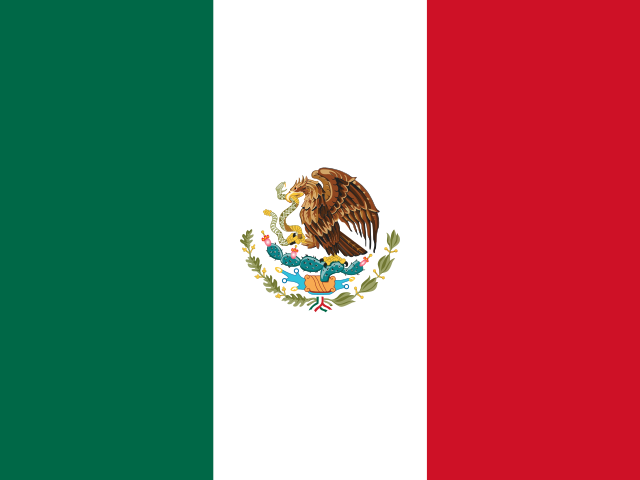
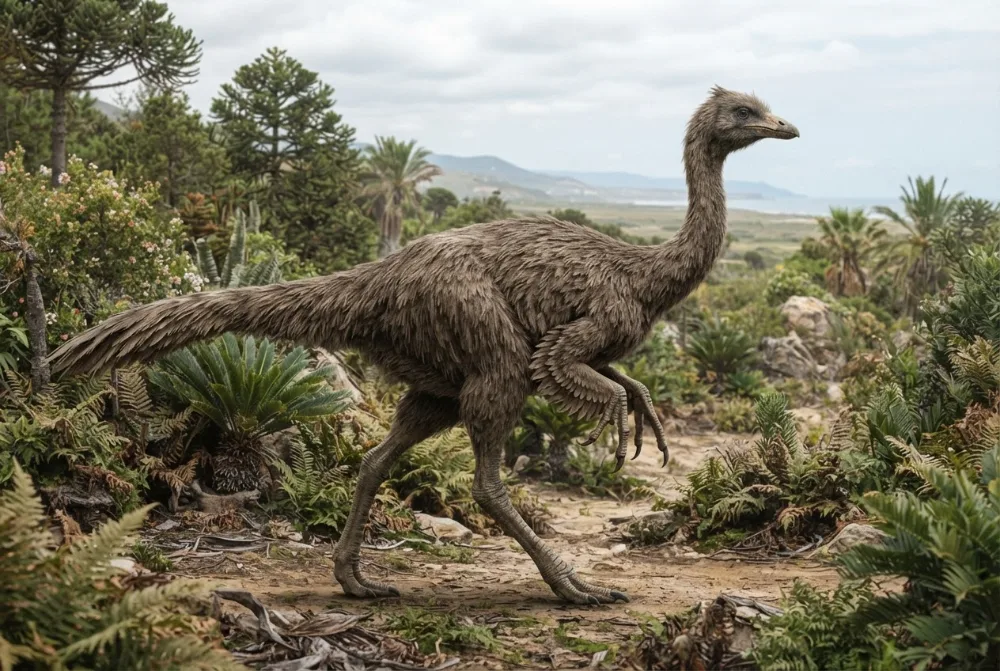
Paraxenisaurus was a large, ostrich-like dinosaur that lived in Mexico during the Late Cretaceous. It had long legs and a stiff tail, and it probably used its clawed hands to grab plants or small animals.1
 Mexico
When did it live?
Paraxenisaurus: 84 to 72 million years ago
How big was it?
How long was it?
How tall was it?
estimate
How heavy was it?
 as long as 6 dogs nose to tail🍌as long as 32 bananas end to end🍉as heavy as 120 watermelons🧸as heavy as 32 kindergarten kids🎒as heavy as 19 school kids🏃could run 100 metres in 6.8 seconds (the fastest human needs 9.6)
How big was Paraxenisaurus compared to YOU?
Just maths in your browser. Nothing is saved or sent anywhere.
How fast was it?


Fun facts
Paraxenisaurus is the only member of its family, Deinocheiridae, known from the ancient continent of Laramidia.1
Its tail was very long and stiff, with little up-and-down movement, unlike many other ornithomimosaurs.1
It still had a first toe, a feature lost in many other ornithomimosaurs.1
The species name 'normalensis' honors the Benemérita Normal School of Coahuila, where the fossils are kept.1
Its fossils were found in rocks that were once a coastal floodplain with rivers and forests.1
Most asked questions about Paraxenisaurus
?How big was Paraxenisaurus?
It was about 5.7 metres (19 feet) long and weighed around 600 kilograms (1,300 pounds). That's roughly as big as a close relative called Beishanlong.1
?What did Paraxenisaurus eat?
It was probably an herbivore or omnivore, meaning it ate plants and maybe small animals. It had clawed hands that could grab food.4
?When did Paraxenisaurus live?
It lived during the Late Cretaceous Period, about 74 to 72 million years ago.1
?Where was Paraxenisaurus found?
Its fossils were found in the Cerro del Pueblo Formation in Coahuila, Mexico. That area was once a coastal floodplain with rivers and forests.1
For dino experts
- Scientific name
- Paraxenisaurus
- Named by
- Serrano-Brañas et al. 20204
- Group
- Ostrich dinos
- Family / clade
- Deinocheiridae4
- Classification
- Theropoda > Ornithomimosauria4
- Age of the rocks
- 84 to 72 million years (Campanian)4
- Rock formations
- Cerro del Pueblo4
- Countries
- Mexico4
- Fossil records
- 1 in the Paleobiology Database4
- Discovery
- Paraxenisaurus was named in 2020 by Mexican paleontologists Claudia Serrano-Brañas and colleagues, based on bones collected in the 1990s from three sites in Coahuila, Mexico.1
- Still debated
- Scientists are not sure how big Paraxenisaurus grew, because only a few bones have been found.1
Where the facts come from
- Paraxenisaurus (en.wikipedia.org)
- PBDB Taxon (paleobiodb.org)
- en.wikipedia.org Cerro del Pueblo Formation (en.wikipedia.org)
- Paraxenisaurus in The Paleobiology Database (CC BY 4.0): age, places, rock formations, classification.
Every fact on this page has a number that points to its source. If we got something wrong, sorry, we are dino fans, not a science journal. Tell us at hello@dinowiki.app and we will fix it.
 Rex is hungry! Dino Wiki is a dad's project for his dino-loving son, free with no ads and no cookies. Grown-ups can feed Rex a snack to help keep it online.Feed Rex
 Gallimimus
 Ornithomimus
 Struthiomimus
 Deinocheirus
 Dromiceiomimus
 Archaeornithomimus
 Tyrannosaurus
 Triceratops
 Velociraptor
 Spinosaurus
 Ankylosaurus
 Parasaurolophus