 Kwizi: Oli dayinoso ki?
 Olutalo lwa dayinoso
 Empaka z'emisinde gya dayinoso
 Emizannyo emitono egya dayinoso
 Alubaamu ya sitika
 Enkalala za dayinoso eza TOP
 Mpa ekyewuunyisa!
Apatoraptor
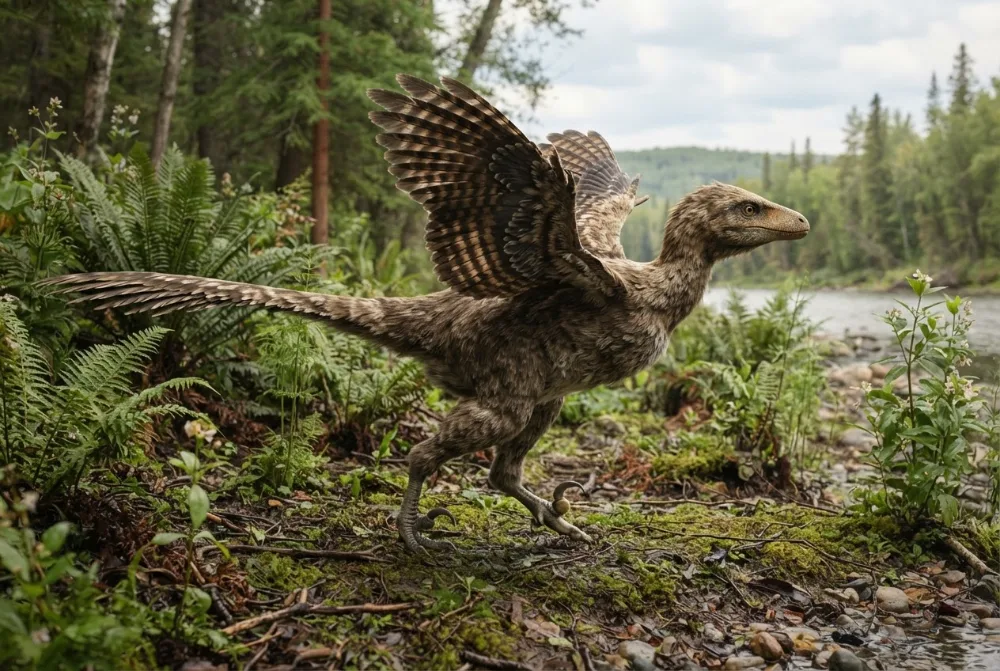
Apatoraptor was a toothless, feathered dinosaur that lived in what is now Alberta, Canada. It had long wings covered in feathers, but it could not fly. Instead, it probably used its flashy wings to show off and attract mates.1
Yabeerawo ddi?
Yali munene atya?
Yali muwanvu kwenkana wa?
Yali mugulumivu kwenkana wa?
kuteebereza
Yali muzito kwenkana wa?

 obuwanvu nga kkapa 4 ab'awaka, ennyindo ku mukira🍌obuwanvu ng'amenvu 11 nga gaddiriŋŋana🍉obuzito ng'obwa wotamerooni 36🧸obuzito ng'obw'abaana 9 ab'omu nnasale🎒obuzito ng'obw'abaana b'essomero 6🏃yandidduse mita 100 mu sikonda 7.7 (omuntu asinga embiro yeetaaga 9.6)
Apatoraptor yali munene atya bw'ogeraageranya ku GGWE?
Kubala kwokka mu browser yo. Tewali kiterekebwa wadde okusindikibwa wonna.
Yali wa mbiro kwenkana wa?


Ebyewuunyisa
Apatoraptor had no teeth. Its beak was toothless, like a bird's.2
Its name means 'deceptive thief' because its skeleton was mistaken for a different kind of dinosaur for many years.1
The fossil was found in 1993 but sat on a shelf for 15 years before scientists realized it was something new.1
Apatoraptor had pits on its arm bones that show it had feathers on its wings. These wings were probably used for display, not flight.1
It is one of the most complete caenagnathid skeletons ever found in Alberta, with many bones still in their original positions.1
Apatoraptor lived during the Maastrichtian age, about 72 to 66 million years ago.4
Its neck was long and made of at least 11 vertebrae, and its ribs had finger-like extensions called uncinate processes.2
Ebibuuzo ebisinga okubuuzibwa ku Apatoraptor
?How big was Apatoraptor?
It was about 2 metres long and weighed around 180 kilograms, which is larger than a human.3
?Could Apatoraptor fly?
No. It had long wings covered in feathers, but it was too heavy to fly. It used its wings for display instead.3
?When did Apatoraptor live?
It lived about 70 million years ago, during the Campanian age of the Late Cretaceous, in what is now Alberta, Canada.3
Omumenyi w'enfumo
Enfumo: Apatoraptor could fly because it had feathered wings.
Amazima: Apatoraptor had wings with feathers, but they were too small and weak for flight. They were probably used to show off to other dinosaurs.1
Eri abakugu mu dayinoso
- Erinnya lya ssaayansi
- Apatoraptor
- Yatuumibwa
- Funston and Currie 20164
- Ekibinja
- Dayinoso ez'ebyoya ez'enjawulo
- Ekika / ekibinja
- Caenagnathidae4
- Engabanya
- Theropoda > Oviraptorosauria4
- Emyaka gy'enjazi
- emyaka obukadde 72 okutuuka ku 66 (Maastrichtian)4
- Ensengeka z'enjazi
- Horseshoe Canyon4
- Ensi
- Kanada4
- Ebisigalira ebyazuulibwa
- 1 mu The Paleobiology Database4
- Okuzuulibwa
- Apatoraptor was named in 2016 by Gregory Funston and Philip Currie. The skeleton was found in 1993 in Alberta, Canada, but was mistaken for a different dinosaur until it was prepared years later.41
- Kikyakubaganyizibwako ebirowoozo
- Scientists are still debating exactly how Apatoraptor and other caenagnathids are related to each other. This skeleton helped clear up some of those relationships.2
Ebituufu gye biva
- Deceptive feathered dinosaur finally gets a name (ualberta.ca)
- tandfonline.com (tandfonline.com)
- Newly identified Alberta dinosaur had arm muscles fit to lift feathers | CBC News (cbc.ca)
- Apatoraptor in The Paleobiology Database (CC BY 4.0): emyaka, ebifo, ensengeka z'enjazi, engabanya.
Buli kituufu ku lupapula luno kirina ennamba eraga ensibuko yaakyo. Bwe tuba nga tukoze ensobi, tusonyiwe, ffe tuli bawagizi ba dayinoso, so si magazini ya ssaayansi. Tubuulire ku [email protected] tujja kugitereeza.
 Rex alumwa enjala! Dino Wiki pulojekiti ya taata eri mutabani we ayagala ennyo dayinoso, ya bwereere, tewali bulango era tewali bikulondoola. Abakulu basobola okuwa Rex akantu ak'okulya okuyamba okugikuuma ku mutimbagano.Liisa Rex
 Therizinosaurus
 Oviraptor
 Chirostenotes
 Citipes
 Leptorhynchos
 Avimimus
 Tyrannosaurus
 Triceratops
 Velociraptor
 Spinosaurus
 Ankylosaurus
 Parasaurolophus