 Kwizi: Oli dayinoso ki?
 Olutalo lwa dayinoso
 Empaka z'emisinde gya dayinoso
 Emizannyo emitono egya dayinoso
 Alubaamu ya sitika
 Enkalala za dayinoso eza TOP
 Mpa ekyewuunyisa!
Fruitadens
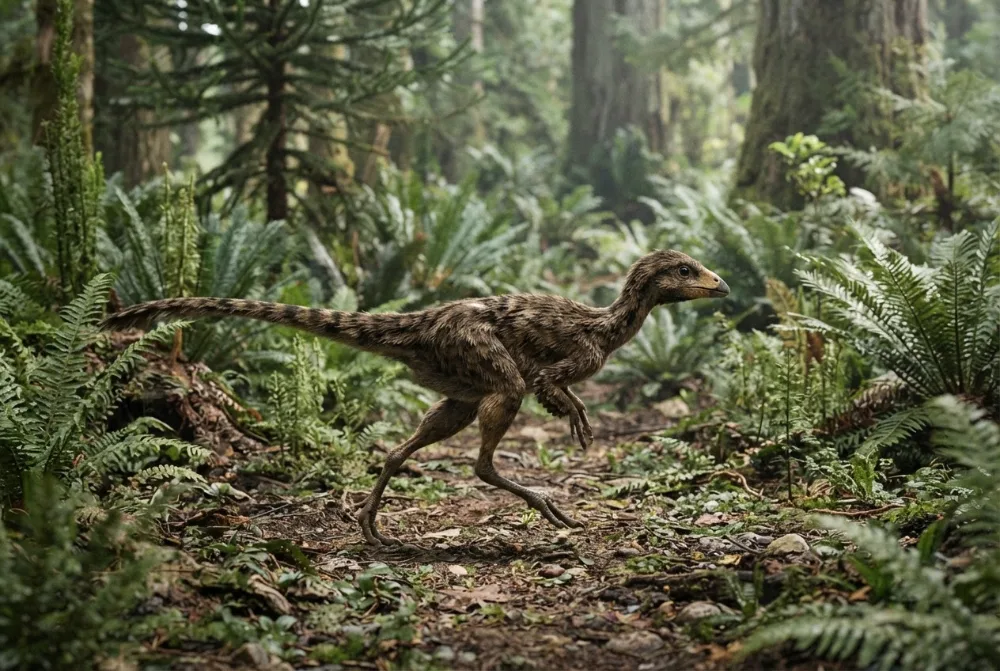
Fruitadens was one of the tiniest plant-eating dinosaurs ever found. It was only as long as a big cat and weighed less than a bag of sugar. This little dinosaur lived in what is now the western United States during the Late Jurassic period.12
Yabeerawo ddi?
Yali munene atya?
Yali muwanvu kwenkana wa?
Yali mugulumivu kwenkana wa?
kuteebereza
Yali muzito kwenkana wa?
Fruitadens yali munene atya bw'ogeraageranya ku GGWE?
Kubala kwokka mu browser yo. Tewali kiterekebwa wadde okusindikibwa wonna.
Yali wa mbiro kwenkana wa?


Ebyewuunyisa
Fruitadens is the smallest known ornithischian dinosaur, a group that includes many plant-eaters.12
Its lower jaw had an enlarged canine-like tooth, with a gap in the upper jaw for it to fit.1
Unlike many other dinosaurs, Fruitadens had replacement teeth growing in its jaws, like modern mammals.1
The fossils were first found in the 1970s and 1980s by teams from the Natural History Museum of Los Angeles County.1
Fruitadens lived alongside snails, clams, turtles, and early mammals in a floodplain environment.1
Its leg bones were hollow, like those of small meat-eating dinosaurs, which helped keep it light.1
Ebibuuzo ebisinga okubuuzibwa ku Fruitadens
?How big was Fruitadens?
Fruitadens was very small, about 65 to 75 cm long and weighed 0.5 to 0.75 kg. That is about as long as a large house cat and lighter than a bag of sugar.12
?What did Fruitadens eat?
Fruitadens was an omnivore, meaning it ate both plants and small animals. Scientists think it ate select plant material and possibly insects or other invertebrates.13
?When did Fruitadens live?
Fruitadens lived during the Late Jurassic period, about 150 million years ago. Its fossils were found in rocks that are around 150.3 to 150.2 million years old.1
?Where was Fruitadens found?
Fruitadens fossils were found in Colorado, USA, in an area called the Fruita Paleontological Area. The name Fruitadens means 'Fruita teeth' after the town of Fruita.1
?Did Fruitadens have teeth?
Yes, Fruitadens had teeth, including an enlarged canine-like tooth in its lower jaw and a small peg-like tooth in front of it. Unlike many other dinosaurs, it could replace its teeth like modern mammals.1
Eri abakugu mu dayinoso
- Erinnya lya ssaayansi
- Fruitadens
- Yatuumibwa
- Butler et al. 20104
- Ekibinja
- Ezirya ebimera ez'omumwa ng'ogw'ekinyonyi
- Ekika / ekibinja
- Heterodontosauridae4
- Engabanya
- Ornithischia > Heterodontosauridae4
- Emyaka gy'enjazi
- emyaka obukadde 149 okutuuka ku 143 (Tithonian)4
- Ensengeka z'enjazi
- Morrison4
- Ensi
- Amerika4
- Ebisigalira ebyazuulibwa
- 4 mu The Paleobiology Database4
- Okuzuulibwa
- Fruitadens was named in 2010 by Richard Butler and colleagues. The fossils were found in the Fruita Paleontological Area of Colorado, USA, in rocks about 150 million years old.14
- Kikyakubaganyizibwako ebirowoozo
- Scientists are still debating exactly what Fruitadens ate, though it likely ate both plants and small animals.12
Ebituufu gye biva
- Fruitadens (en.wikipedia.org)
- Lower limits of ornithischian dinosaur body size inferred from a new Upper Jurassic heterodontosaurid from North America | Proceedings B | The Royal Society (royalsocietypublishing.org)
- Small-Bodied Dinosaur Fruitadens haagarorum from the (journals.plos.org)
- Fruitadens in The Paleobiology Database (CC BY 4.0): emyaka, ebifo, ensengeka z'enjazi, engabanya.
Buli kituufu ku lupapula luno kirina ennamba eraga ensibuko yaakyo. Bwe tuba nga tukoze ensobi, tusonyiwe, ffe tuli bawagizi ba dayinoso, so si magazini ya ssaayansi. Tubuulire ku [email protected] tujja kugitereeza.
 Rex alumwa enjala! Dino Wiki pulojekiti ya taata eri mutabani we ayagala ennyo dayinoso, ya bwereere, tewali bulango era tewali bikulondoola. Abakulu basobola okuwa Rex akantu ak'okulya okuyamba okugikuuma ku mutimbagano.Liisa Rex
Endala okuva mu kibinja kye kimu: Ezirya ebimera ez'omumwa ng'ogw'ekinyonyi
 IguanodonEzirya ebimera ez'omumwa ng'ogw'ekinyonyi
 TenontosaurusEzirya ebimera ez'omumwa ng'ogw'ekinyonyi
 ThescelosaurusEzirya ebimera ez'omumwa ng'ogw'ekinyonyi
 ZalmoxesEzirya ebimera ez'omumwa ng'ogw'ekinyonyi
 CamptosaurusEzirya ebimera ez'omumwa ng'ogw'ekinyonyi
 RhabdodonEzirya ebimera ez'omumwa ng'ogw'ekinyonyi
 Brachiosaurus
 Diplodocus
 Allosaurus
 Brontosaurus
 Compsognathus
 Camarasaurus