 Kwizi: Oli dayinoso ki?
 Olutalo lwa dayinoso
 Empaka z'emisinde gya dayinoso
 Emizannyo emitono egya dayinoso
 Alubaamu ya sitika
 Enkalala za dayinoso eza TOP
 Mpa ekyewuunyisa!
Ganzhousaurus
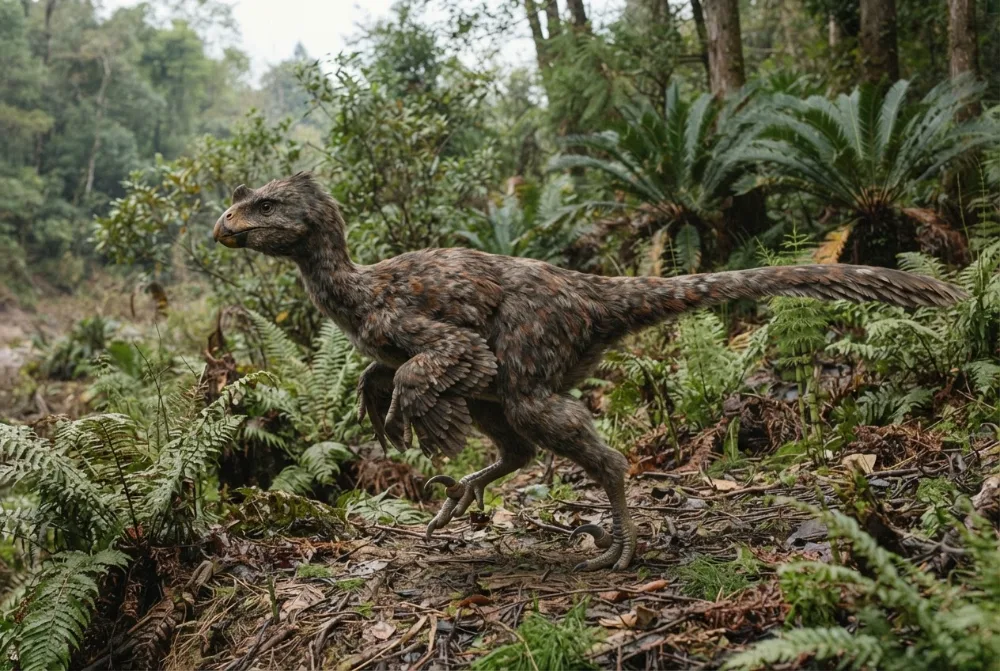
Ganzhousaurus was a small, bird-like dinosaur that lived in southern China near the end of the Age of Dinosaurs. It had a beaky mouth and probably used its strong claws and teeth to eat plants, seeds, and maybe even small animals.14
Yabeerawo ddi?
Yali munene atya?
Yali muwanvu kwenkana wa?
Yali mugulumivu kwenkana wa?
kuteebereza
 obuwanvu nga kkapa 4 ab'awaka, ennyindo ku mukira🍌obuwanvu ng'amenvu 11 nga gaddiriŋŋana🏃yandidduse mita 100 mu sikonda 8 (omuntu asinga embiro yeetaaga 9.6)
Ganzhousaurus yali munene atya bw'ogeraageranya ku GGWE?
Kubala kwokka mu browser yo. Tewali kiterekebwa wadde okusindikibwa wonna.
Yali wa mbiro kwenkana wa?


Ebyewuunyisa
Ganzhousaurus lived alongside at least four other oviraptorid dinosaurs, including Banji long and Nankangia jiangxiensis, all in the same area.1
Its lower jaw had a shallow groove and a special window (the external mandibular fenestra) that was split into two parts by a bone.2
The name Ganzhousaurus means 'Ganzhou lizard' after the city in China where its fossils were found.1
Ganzhousaurus lived during the very end of the Cretaceous Period, about 72 to 66 million years ago.1
Scientists are not sure exactly where Ganzhousaurus fits in the oviraptorid family tree; some think it is related to Oviraptor, others to the 'ingeniine' group.1
This dinosaur probably had feathers, like many of its oviraptorid relatives, helping it stay warm and maybe even show off.1
Ebibuuzo ebisinga okubuuzibwa ku Ganzhousaurus
?How big was Ganzhousaurus?
Its exact size is not known from the sources, but it was a small oviraptorid dinosaur, similar in size to other members of its group.12
?What did Ganzhousaurus eat?
Ganzhousaurus was probably mostly herbivorous, eating plants and seeds with its beaky mouth and strong claws.1
?Did Ganzhousaurus have feathers?
Yes, like many of its oviraptorid relatives, Ganzhousaurus probably had feathers to keep warm and maybe for display.1
Omumenyi w'enfumo
Enfumo: Some people think all oviraptorids were egg thieves.
Amazima: Ganzhousaurus and its relatives probably ate plants and small animals, not just eggs. Their beaks were well-suited for crushing seeds and tough plants.1
Eri abakugu mu dayinoso
- Erinnya lya ssaayansi
- Ganzhousaurus
- Yatuumibwa
- Wang et al. 20134
- Ekibinja
- Dayinoso ez'ebyoya ez'enjawulo
- Ekika / ekibinja
- Oviraptoridae4
- Engabanya
- Theropoda > Oviraptorosauria4
- Emyaka gy'enjazi
- emyaka obukadde 72 okutuuka ku 66 (Maastrichtian)4
- Ensi
- Cayina4
- Ebisigalira ebyazuulibwa
- 1 mu The Paleobiology Database4
- Okuzuulibwa
- Ganzhousaurus was named in 2013 by scientists Shuo Wang, Chengkai Sun, Corwin Sullivan, and Xing Xu, based on a single skeleton found in the Nanxiong Formation of southern China.12
- Kikyakubaganyizibwako ebirowoozo
- Scientists still debate whether Ganzhousaurus was more closely related to Oviraptor or to the 'ingeniine' group of oviraptorids.1
Ebituufu gye biva
- Ganzhousaurus (en.wikipedia.org)
- A new oviraptorid (Dinosauria: Theropoda) from the Upper Cretaceous of southern China (mapress.com)
- Ganzhousaurus - (dinosanddesigns.com)
- Ganzhousaurus in The Paleobiology Database (CC BY 4.0): emyaka, ebifo, ensengeka z'enjazi, engabanya.
Buli kituufu ku lupapula luno kirina ennamba eraga ensibuko yaakyo. Bwe tuba nga tukoze ensobi, tusonyiwe, ffe tuli bawagizi ba dayinoso, so si magazini ya ssaayansi. Tubuulire ku [email protected] tujja kugitereeza.
 Rex alumwa enjala! Dino Wiki pulojekiti ya taata eri mutabani we ayagala ennyo dayinoso, ya bwereere, tewali bulango era tewali bikulondoola. Abakulu basobola okuwa Rex akantu ak'okulya okuyamba okugikuuma ku mutimbagano.Liisa Rex
 Therizinosaurus
 Oviraptor
 Chirostenotes
 Citipes
 Leptorhynchos
 Avimimus
 Tyrannosaurus
 Triceratops
 Velociraptor
 Spinosaurus
 Ankylosaurus
 Parasaurolophus