 Kwizi: Oli dayinoso ki?
 Olutalo lwa dayinoso
 Empaka z'emisinde gya dayinoso
 Emizannyo emitono egya dayinoso
 Alubaamu ya sitika
 Enkalala za dayinoso eza TOP
 Mpa ekyewuunyisa!
Gonkoken
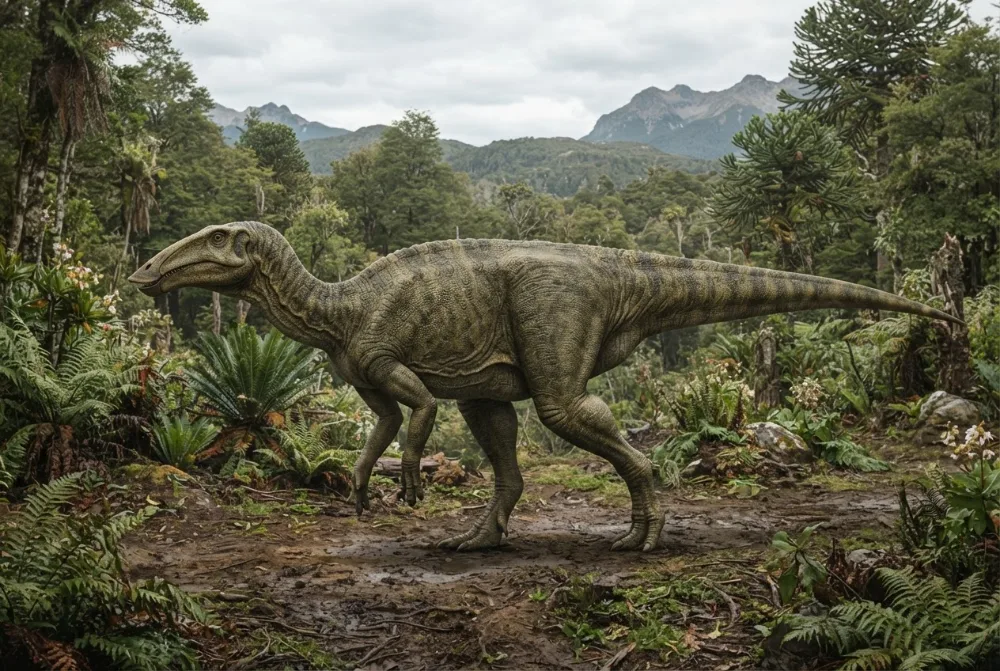
Gonkoken was a small duck-billed dinosaur that lived in what is now southern Chile, near Antarctica. It was about as long as a car and used its hundreds of teeth to chew tough plants. This dinosaur is special because it is not a true hadrosaurid, but a more ancient cousin that survived until the very end of the dinosaur age.24
Yabeerawo ddi?
Yali munene atya?
Yali muwanvu kwenkana wa?
Yali mugulumivu kwenkana wa?
kuteebereza
Yali muzito kwenkana wa?
 obuwanvu ng'embwa 4, ennyindo ku mukira🍌obuwanvu ng'amenvu 22 nga gaddiriŋŋana🍉obuzito ng'obwa wotamerooni 200🧸obuzito ng'obw'abaana 53 ab'omu nnasale🎒obuzito ng'obw'abaana b'essomero 31🐻❄️obuzito ng'obwa ddubu enjeru 2🏃yandidduse mita 100 mu sikonda 11 (omuntu asinga embiro yeetaaga 9.6)
Gonkoken yali munene atya bw'ogeraageranya ku GGWE?
Kubala kwokka mu browser yo. Tewali kiterekebwa wadde okusindikibwa wonna.
Yali wa mbiro kwenkana wa?


Ebyewuunyisa
Gonkoken is a 'transitional' duckbill, meaning it is closely related to true hadrosaurids but not one itself. Its ancestors came from North America and arrived in South America earlier than the more advanced duckbills.2
The name Gonkoken comes from the Aónik’enk language, spoken by the indigenous people of the region. 'Gon' means 'similar to' and 'koken' means 'wild duck or swan'.21
Fossils of Gonkoken were found in a bonebed containing at least three individuals. The site is still being excavated and may hold many more bones.2
Gonkoken lived about 71.7 to 70.5 million years ago, during the early Maastrichtian stage of the Late Cretaceous. This was just a few million years before the asteroid impact that ended the age of dinosaurs.2
Unlike true hadrosaurids, Gonkoken had fewer than 30 tooth positions in its lower jaw, and its tooth rows did not extend beyond the coronoid process.2
Gonkoken is the first duck-billed dinosaur described from a subantarctic region. Its discovery suggests that some alleged hadrosaurid fossils from Antarctica might actually belong to non-hadrosaurid duckbills like Gonkoken.2
Ebibuuzo ebisinga okubuuzibwa ku Gonkoken
?How big was Gonkoken?
Gonkoken was a small duck-billed dinosaur, about 4 metres (13 feet) long. That is roughly the length of a small car.12
?When did Gonkoken live?
Gonkoken lived about 71.7 to 70.5 million years ago, during the early Maastrichtian stage of the Late Cretaceous. That was just a few million years before the asteroid hit.12
Omumenyi w'enfumo
Enfumo: All duck-billed dinosaurs are hadrosaurids (true duckbills).
Amazima: Gonkoken is a duck-billed dinosaur but not a hadrosaurid. It belongs to a more ancient lineage that survived alongside true duckbills in the far south.2
Eri abakugu mu dayinoso
- Erinnya lya ssaayansi
- Gonkoken
- Yatuumibwa
- Alarcón-Muñoz et al. 20234
- Ekibinja
- Ezirya ebimera ez'omumwa ng'ogw'ekinyonyi
- Ekika / ekibinja
- Hadrosauroidea4
- Engabanya
- Ornithischia > Ornithopoda > Iguanodontia4
- Emyaka gy'enjazi
- emyaka obukadde 72 okutuuka ku 66 (Maastrichtian)4
- Ensengeka z'enjazi
- Dorotea4
- Ensi
- Cile4
- Ebisigalira ebyazuulibwa
- 1 mu The Paleobiology Database4
- Okuzuulibwa
- Gonkoken was named in 2023 by Alarcón-Muñoz and colleagues. The first bones were found by Mario 'Nano' Ulloa in the Río de las Chinas Valley, and excavations began in 2013, uncovering many disarticulated remains.24
- Kikyakubaganyizibwako ebirowoozo
- Scientists debate whether all alleged hadrosaurid fossils from Antarctica and subantarctic regions actually belong to non-hadrosaurid duckbills like Gonkoken, rather than true hadrosaurids.2
Ebituufu gye biva
- Gonkoken (en.wikipedia.org)
- Relict duck-billed dinosaurs survived into the last age of the dinosaurs in subantarctic Chile (science.org)
- Scientists discover duck-billed dinosaur roamed Chile 72 million years ago | Reuters (reuters.com)
- Gonkoken in The Paleobiology Database (CC BY 4.0): emyaka, ebifo, ensengeka z'enjazi, engabanya.
Buli kituufu ku lupapula luno kirina ennamba eraga ensibuko yaakyo. Bwe tuba nga tukoze ensobi, tusonyiwe, ffe tuli bawagizi ba dayinoso, so si magazini ya ssaayansi. Tubuulire ku [email protected] tujja kugitereeza.
 Rex alumwa enjala! Dino Wiki pulojekiti ya taata eri mutabani we ayagala ennyo dayinoso, ya bwereere, tewali bulango era tewali bikulondoola. Abakulu basobola okuwa Rex akantu ak'okulya okuyamba okugikuuma ku mutimbagano.Liisa Rex
Endala okuva mu kibinja kye kimu: Ezirya ebimera ez'omumwa ng'ogw'ekinyonyi
 IguanodonEzirya ebimera ez'omumwa ng'ogw'ekinyonyi
 TenontosaurusEzirya ebimera ez'omumwa ng'ogw'ekinyonyi
 ThescelosaurusEzirya ebimera ez'omumwa ng'ogw'ekinyonyi
 ZalmoxesEzirya ebimera ez'omumwa ng'ogw'ekinyonyi
 CamptosaurusEzirya ebimera ez'omumwa ng'ogw'ekinyonyi
 RhabdodonEzirya ebimera ez'omumwa ng'ogw'ekinyonyi
 Tyrannosaurus
 Triceratops
 Velociraptor
 Spinosaurus
 Ankylosaurus
 Parasaurolophus