 Kwizi: Oli dayinoso ki?
 Olutalo lwa dayinoso
 Empaka z'emisinde gya dayinoso
 Emizannyo emitono egya dayinoso
 Alubaamu ya sitika
 Enkalala za dayinoso eza TOP
 Mpa ekyewuunyisa!
Lingwulong
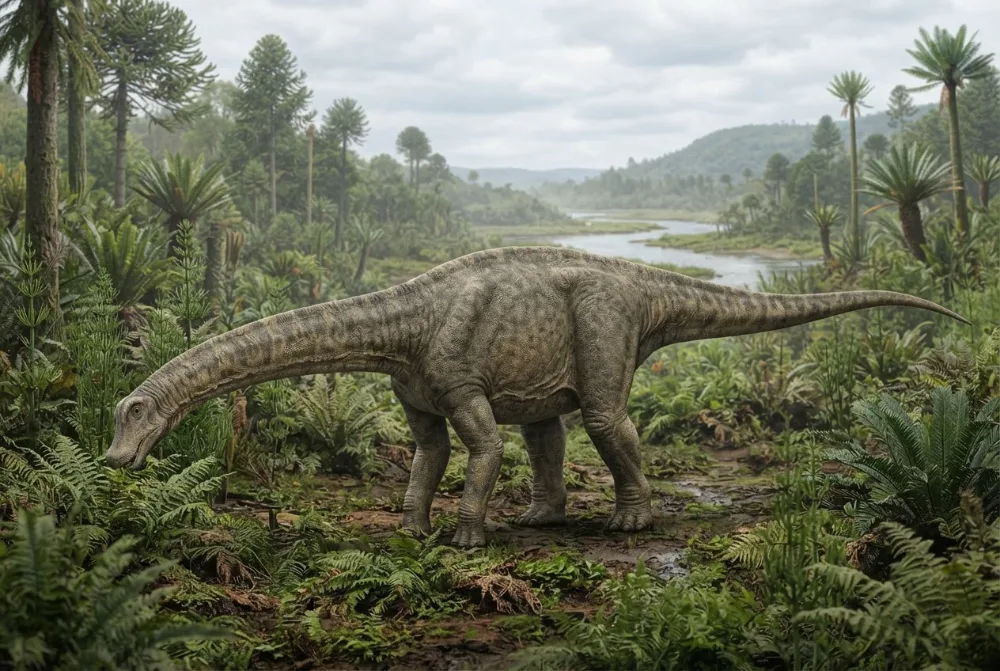
Lingwulong was a long-necked plant-eater that lived about 174 million years ago. It was one of the earliest diplodocoid sauropods ever found, and the first one discovered in East Asia. Its fossils were a big surprise to scientists!21
Yabeerawo ddi?
Yali munene atya?
Yali muwanvu kwenkana wa?
Yali mugulumivu kwenkana wa?
kuteebereza
Yali muzito kwenkana wa?
 obuwanvu ng'emmotoka 3 ezisimbiddwa mu lunyiriri🍌obuwanvu ng'amenvu 78 nga gaddiriŋŋana
 obuzito ng'obw'enjovu 2🍉obuzito ng'obwa wotamerooni 2200🎒obuzito ng'obw'ebibiina 14 ebijjuvu eby'abaana b'essomero🐻❄️obuzito ng'obwa ddubu enjeru 24🏃yandidduse mita 100 mu sikonda 24 (omuntu asinga embiro yeetaaga 9.6)
Lingwulong yali munene atya bw'ogeraageranya ku GGWE?
Kubala kwokka mu browser yo. Tewali kiterekebwa wadde okusindikibwa wonna.
Yali wa mbiro kwenkana wa?


Ebyewuunyisa
Lingwulong is the earliest known diplodocoid sauropod, living about 174 million years ago in the Middle Jurassic.2
It is the only definite diplodocoid dinosaur ever found in East Asia, challenging the idea that this group never lived there.1
The fossils include 7 to 10 partial skeletons, from juveniles to adults, including parts of two skulls.2
Its name means 'amazing dragon from Lingwu' because finding a dicraeosaurid in China was so unexpected.1
Lingwulong belonged to Dicraeosauridae, a group of sauropods with shorter necks and spines on their vertebrae.2
Its discovery suggests that many advanced sauropod groups spread across the world while the supercontinent Pangaea was still together.2
Ebibuuzo ebisinga okubuuzibwa ku Lingwulong
?How big was Lingwulong?
Scientists have not given a specific length or weight for Lingwulong in the sources, so its exact size is not known. It was a diplodocoid sauropod, and many of its relatives were large, but no exact numbers are available.12
?What did Lingwulong eat?
Lingwulong was a plant-eater. As a sauropod dinosaur, it ate plants.2
Eri abakugu mu dayinoso
- Erinnya lya ssaayansi
- Lingwulong
- Yatuumibwa
- Xu et al. 20184
- Ekibinja
- Ez'ensingo empanvu
- Ekika / ekibinja
- Flagellicaudata4
- Engabanya
- Sauropodomorpha > Sauropoda > Diplodocoidea4
- Emyaka gy'enjazi
- emyaka obukadde 175 okutuuka ku 162 (Aalenian / Callovian)4
- Ensi
- Cayina4
- Ebisigalira ebyazuulibwa
- 1 mu The Paleobiology Database4
- Okuzuulibwa
- Lingwulong was named in 2018 by Xu Xing and colleagues based on fossils found from 2005 onward in the Yanan Formation of China.21
- Kikyakubaganyizibwako ebirowoozo
- Scientists are still debating whether the absence of neosauropods in the Late Jurassic of East Asia is due to real extinction or just poor fossil sampling.2
Ebituufu gye biva
- Lingwulong (en.wikipedia.org)
- A new Middle Jurassic diplodocoid suggests an earlier dispersal and diversification of sauropod dinosaurs | Nature Communications (preview-www.nature.com)
- Brontosaurus Relatives Unearthed in East Asia for the First Time - AIP.ORG (aip.org)
- Lingwulong in The Paleobiology Database (CC BY 4.0): emyaka, ebifo, ensengeka z'enjazi, engabanya.
Buli kituufu ku lupapula luno kirina ennamba eraga ensibuko yaakyo. Bwe tuba nga tukoze ensobi, tusonyiwe, ffe tuli bawagizi ba dayinoso, so si magazini ya ssaayansi. Tubuulire ku [email protected] tujja kugitereeza.
 Rex alumwa enjala! Dino Wiki pulojekiti ya taata eri mutabani we ayagala ennyo dayinoso, ya bwereere, tewali bulango era tewali bikulondoola. Abakulu basobola okuwa Rex akantu ak'okulya okuyamba okugikuuma ku mutimbagano.Liisa Rex
 Brachiosaurus
 Diplodocus
 Brontosaurus
 Argentinosaurus
 Camarasaurus
 Morosaurus
 Ichthyosaurus
 Khudiakovia
 Ophthalmosaurus
 Pterodactylus
 Peloneustes
 Rhamphocephalus