 Kwizi: Oli dayinoso ki?
 Olutalo lwa dayinoso
 Empaka z'emisinde gya dayinoso
 Emizannyo emitono egya dayinoso
 Alubaamu ya sitika
 Enkalala za dayinoso eza TOP
 Mpa ekyewuunyisa!
Sektensaurus
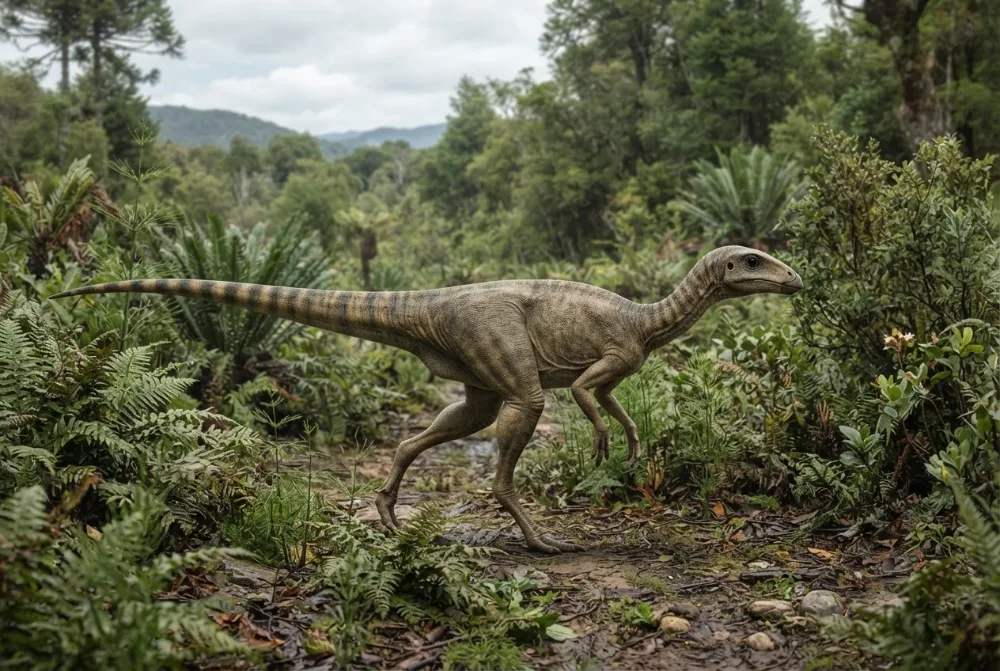
Sektensaurus was a medium-sized, plant-eating dinosaur that lived on an island in what is now Patagonia, Argentina. It walked on two legs and used its beak to munch on tough plants. It is one of the few dinosaurs known from this part of the world near the end of the Age of Dinosaurs.14
Yabeerawo ddi?
Yali munene atya?
Yali muwanvu kwenkana wa?
Yali mugulumivu kwenkana wa?
Yali muzito kwenkana wa?
 obuwanvu ng'embwa 5, ennyindo ku mukira🍌obuwanvu ng'amenvu 29 nga gaddiriŋŋana🍉obuzito ng'obwa wotamerooni 66🧸obuzito ng'obw'abaana 17 ab'omu nnasale🎒obuzito ng'obw'abaana b'essomero 10🏃yandidduse mita 100 mu sikonda 8.6 (omuntu asinga embiro yeetaaga 9.6)
Sektensaurus yali munene atya bw'ogeraageranya ku GGWE?
Kubala kwokka mu browser yo. Tewali kiterekebwa wadde okusindikibwa wonna.
Yali wa mbiro kwenkana wa?


Ebyewuunyisa
Sektensaurus is the first non-hadrosauroid ornithopod found in central Patagonia, meaning it was not a duck-billed dinosaur but a close relative.1
Its name comes from the Tehuelche word 'sekten' meaning 'island', because its fossils were found on an island that appears when the lake level is low.1
The fossils were discovered in 1993 by a palaeontologist named Marcello Luna, but the dinosaur wasn't named until 2019.1
Scientists think Sektensaurus lived about 68 to 66 million years ago, right before the big extinction that killed the non-bird dinosaurs.1
The skeleton was found in a small area, just 3 metres (about 10 feet) across, and all the bones belonged to one adult animal.1
Some bones that were first thought to be from the arm and leg were later re-identified, showing that scientists can change their minds about fossils.1
Ebibuuzo ebisinga okubuuzibwa ku Sektensaurus
Omumenyi w'enfumo
Enfumo: Some people think Sektensaurus was a duck-billed dinosaur like Edmontosaurus.
Amazima: Sektensaurus was an ornithopod, but it was not a hadrosauroid (duck-billed). It was a more primitive type, possibly an elasmarian.1
Eri abakugu mu dayinoso
- Erinnya lya ssaayansi
- Sektensaurus
- Yatuumibwa
- Ibiricu et al. 20194
- Ekibinja
- Ezirya ebimera ez'omumwa ng'ogw'ekinyonyi
- Ekika / ekibinja
- Elasmaria4
- Engabanya
- Ornithischia > Ornithopoda > Iguanodontia4
- Emyaka gy'enjazi
- emyaka obukadde 84 okutuuka ku 66 (Campanian / Maastrichtian)4
- Ensengeka z'enjazi
- Lago Colhué Huapi4
- Ensi
- Arigentina4
- Ebisigalira ebyazuulibwa
- 2 mu The Paleobiology Database4
- Okuzuulibwa
- The first fossils were found in 1993 by Marcello Luna on an island in Lago Colhué Huapi, Argentina. More bones were collected in 2017, and the dinosaur was named Sektensaurus sanjuanboscoi in 2019 by Ibiricu and colleagues.1
- Kikyakubaganyizibwako ebirowoozo
- Scientists are not sure if Sektensaurus was an elasmarian, a group of small ornithopods, because the fossils are incomplete and some bones were re-identified.1
Ebituufu gye biva
- Sektensaurus (en.wikipedia.org)
- Sektensaurus sanjuanboscoi (es.wikipedia.org)
- Sektensaurus sanjuanboscoi | Dinosaur Database by DinoAnimals.com (dinoanimals.com)
- Sektensaurus in The Paleobiology Database (CC BY 4.0): emyaka, ebifo, ensengeka z'enjazi, engabanya.
Buli kituufu ku lupapula luno kirina ennamba eraga ensibuko yaakyo. Bwe tuba nga tukoze ensobi, tusonyiwe, ffe tuli bawagizi ba dayinoso, so si magazini ya ssaayansi. Tubuulire ku [email protected] tujja kugitereeza.
 Rex alumwa enjala! Dino Wiki pulojekiti ya taata eri mutabani we ayagala ennyo dayinoso, ya bwereere, tewali bulango era tewali bikulondoola. Abakulu basobola okuwa Rex akantu ak'okulya okuyamba okugikuuma ku mutimbagano.Liisa Rex
Endala okuva mu kibinja kye kimu: Ezirya ebimera ez'omumwa ng'ogw'ekinyonyi
 IguanodonEzirya ebimera ez'omumwa ng'ogw'ekinyonyi
 TenontosaurusEzirya ebimera ez'omumwa ng'ogw'ekinyonyi
 ThescelosaurusEzirya ebimera ez'omumwa ng'ogw'ekinyonyi
 ZalmoxesEzirya ebimera ez'omumwa ng'ogw'ekinyonyi
 CamptosaurusEzirya ebimera ez'omumwa ng'ogw'ekinyonyi
 RhabdodonEzirya ebimera ez'omumwa ng'ogw'ekinyonyi
 Tyrannosaurus
 Triceratops
 Velociraptor
 Spinosaurus
 Ankylosaurus
 Parasaurolophus