 Ozali dino nini? Kwizi
 Etumba ya badino
 Mbangu ya badino
 Masano mike ya badino
 Albumu ya bastika
 Bilisti TOP ya badino
 Kamwisa ngai!
Chiappeavis
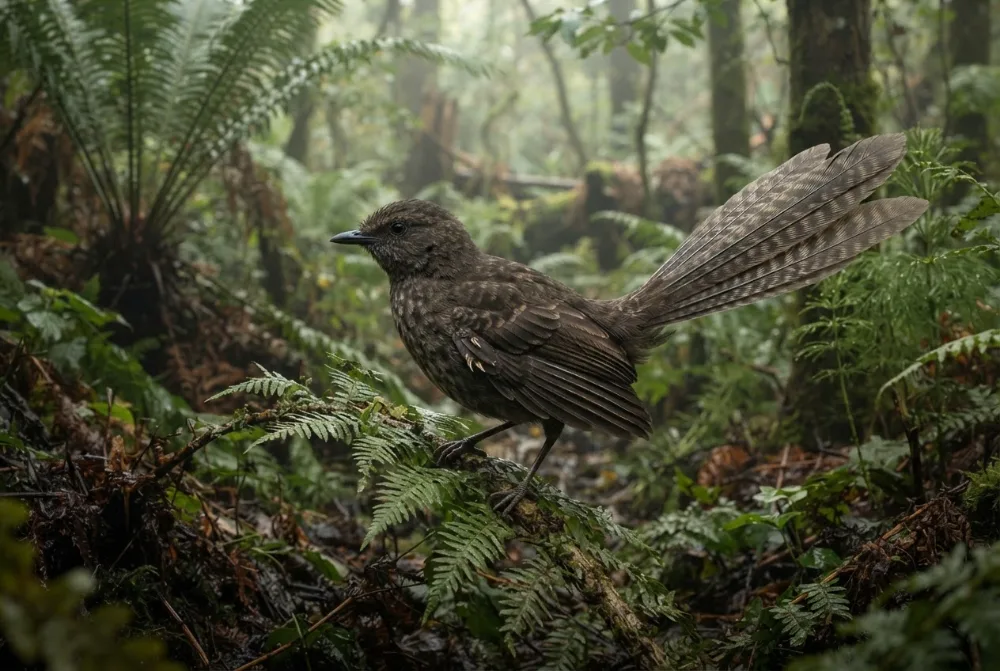
Chiappeavis was a bird that lived in the Early Cretaceous, about 120 million years ago. It had a fan-shaped tail made of long feathers that helped it fly. This bird was about the size of a modern pigeon and lived in what is now northeastern China.21
Azalaki na bomoi ntango nini?
Azalaki monene boni?
Azalaki molai boni?
Azalaki molai boni na likolo?
kokanisa
Azalaki kilo boni?
Chiappeavis azalaki monene boni soki tokokanisi na YO?
Kaka matematiki na navigatere na yo. Eloko moko te ebombami to etindami esika moko.
Azalaki na mbangu boni?


Makambo ya kosepelisa
Chiappeavis had a fan-shaped tail made of about ten feathers, with the middle feathers being the longest at about 74 mm.1
It is one of the earliest birds known to have an aerodynamic tail fan, which helped it steer during flight.1
The only fossil of Chiappeavis is a nearly complete skeleton with feather impressions, found in the Jiufotang Formation.2
Chiappeavis belongs to a group of early birds called enantiornithines, which were very common in the Cretaceous.2
Its name honors Dr. Luis Chiappe, a scientist who studied many ancient birds.1
The species name 'magnapremaxillo' means 'large premaxilla', referring to its big upper jaw bone.1
Mobuki masapo
Lisapo: Some people think Chiappeavis had teeth like other early birds.
Solo: The fossil does not show teeth, and scientists think its beak was toothless, similar to some later birds.1
Mpo na bayebi ya badino
- Nkombo ya siansi
- Chiappeavis
- Nkombo epesamaki na
- O'Connor et al. 20163
- Lisanga
- Bandeke ya liboso
- Libota / klade
- Pengornithidae3
- Klasifikasio
- Theropoda > Avialae3
- Mbula ya mabanga
- mbula milio 121 kino 113 (Aptian)3
- Milongo ya mabanga
- Jiufotang3
- Bikolo
- Sina3
- Bafosile oyo ekomami
- 1 na The Paleobiology Database3
- Ntango bamonaki yango
- Chiappeavis was named in 2016 by Jingmai O'Connor and colleagues, based on a fossil found in Jianchang, Liaoning, China.23
- Naino bazali kowelana
- Scientists are not sure exactly what Chiappeavis ate, because its diet is still being studied from its claws and jaw.1
Esika makambo euti
- Report An Enantiornithine with a Fan-Shaped Tail, and the Evolution of the Rectricial Complex in Early Birds (sciencedirect.com)
- Chiappeavis (en.wikipedia.org)
- Chiappeavis in The Paleobiology Database (CC BY 4.0): mbula, bisika, milongo ya mabanga, klasifikasio.
Likambo nyonso na lokasa oyo ezali na nimero oyo elakisi liziba na yango. Soki tosali libunga, limbisa biso, tozali bato balingaka badino, zulunalo ya siansi te. Yebisa biso na [email protected] mpe tokobongisa yango.
 Rex azali na nzala! Dino Wiki ezali mosala ya tata moko mpo na mwana na ye ya mobali oyo alingaka badino, ofele, piblisite te mpe batrakere te. Bato bakolo bakoki kopesa Rex biskwi mpo na kosalisa ete etikala na internet.Leisa Rex
 Archaeopteryx
 Hesperornis
 Ichthyornis
 Baptornis
 Jurapteryx
 Gobipteryx
 Stegosaurus
 Iguanodon
 Giganotosaurus
 Microraptor
 Deinonychus
 Baryonyx