 Ozali dino nini? Kwizi
 Etumba ya badino
 Mbangu ya badino
 Masano mike ya badino
 Albumu ya bastika
 Bilisti TOP ya badino
 Kamwisa ngai!
Concornis
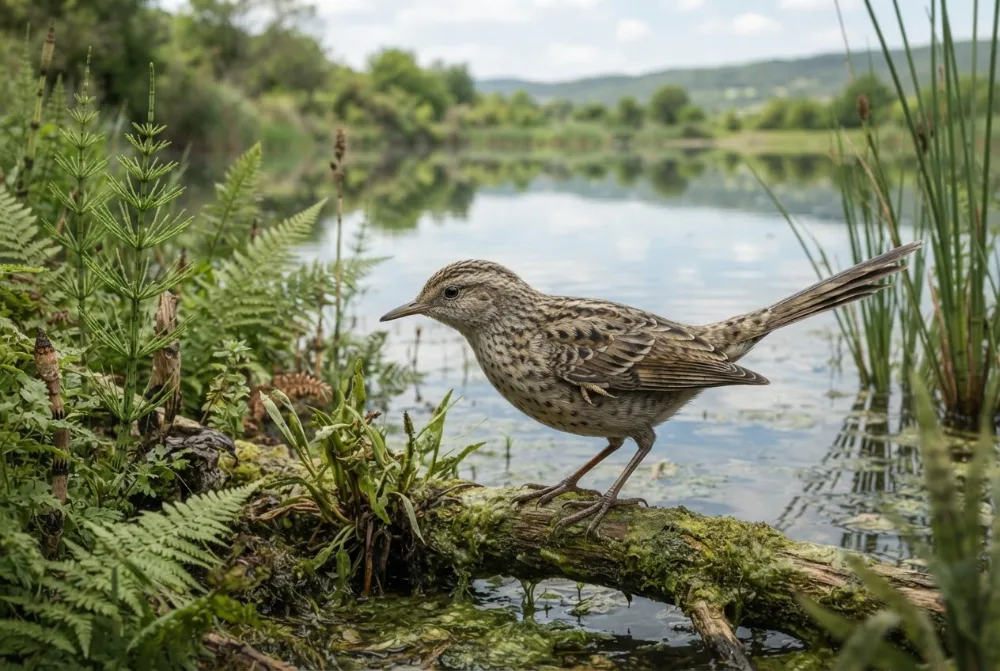
Concornis was a small, ancient bird that lived about 125 million years ago in what is now Spain. It was a great flyer, able to flap its wings fast and even do bounding flight like modern songbirds. It probably ate small insects and crustaceans near the water.23
Azalaki na bomoi ntango nini?
Azalaki monene boni?
Mapapu na ye ezalaki monene boni?
Azalaki kilo boni?
Concornis azalaki monene boni soki tokokanisi na YO?
Kaka matematiki na navigatere na yo. Eloko moko te ebombami to etindami esika moko.
Azalaki na mbangu boni?


Makambo ya kosepelisa
Concornis was about the size of a common starling, with a wingspan of 34 centimeters (13 inches) and a weight of about 70 grams (2.5 ounces).2
It had long legs and a large hallux (back toe), which means it could both perch on branches and walk on the ground, but was not a specialist at either.2
Concornis likely had teeth in its snout instead of a beak, like most other early birds of its group.2
It probably had a long, narrow tail with a single pair of ribbon-like feathers, not a fan of feathers like modern birds.2
A 2018 study found that Concornis could do bounding flight, flapping upward then diving with wings folded, similar to woodpeckers and songbirds today.2
Concornis is the oldest and most complete member of the family Avisauridae, a group of early birds.2
Its fossils were found in an ancient lake environment, so it probably lived like a shorebird, hunting for food along the water's edge.2
Mituna oyo batunaka mingi na ntina na Concornis
?Is Concornis a dinosaur?
Yes, Concornis is a type of bird that belongs to the dinosaur group. It is an avialan dinosaur, which means it is a very close relative of modern birds.2
?How big was Concornis?
Concornis was about the size of a common starling, with a wingspan of 34 centimeters (13 inches) and a weight of about 70 grams (2.5 ounces).2
?What did Concornis eat?
Concornis probably ate small invertebrates like insects or crustaceans. It lived near water and likely hunted for food along the shore.2
?Did Concornis have teeth?
Yes, Concornis almost certainly had teeth in its snout instead of a beak, like most other early birds of its group.2
Mpo na bayebi ya badino
- Nkombo ya siansi
- Concornis
- Nkombo epesamaki na
- Sanz and Buscalioni 19923
- Lisanga
- Bandeke ya liboso
- Libota / klade
- Enantiornithes3
- Klasifikasio
- Theropoda > Avialae3
- Mbula ya mabanga
- mbula milio 126 kino 121 (Barremian)3
- Milongo ya mabanga
- La Huérguina3
- Bikolo
- Espanye3
- Bafosile oyo ekomami
- 2 na The Paleobiology Database3
- Ntango bamonaki yango
- Concornis was named in 1992 by Spanish paleontologists José Luis Sanz and Ángela D. Buscalioni. The only known fossil was found at Las Hoyas, Spain, and is a nearly complete skeleton missing only the skull, neck, and tail tip.23
- Naino bazali kowelana
- Scientists are not sure whether Concornis had an alula (a small feathered thumb that helps with slow flight), though it probably did because a related bird, Eoalulavis, had one.2
Esika makambo euti
- palass.org (palass.org)
- Concornis (en.wikipedia.org)
- Concornis in The Paleobiology Database (CC BY 4.0): mbula, bisika, milongo ya mabanga, klasifikasio.
Likambo nyonso na lokasa oyo ezali na nimero oyo elakisi liziba na yango. Soki tosali libunga, limbisa biso, tozali bato balingaka badino, zulunalo ya siansi te. Yebisa biso na [email protected] mpe tokobongisa yango.
 Rex azali na nzala! Dino Wiki ezali mosala ya tata moko mpo na mwana na ye ya mobali oyo alingaka badino, ofele, piblisite te mpe batrakere te. Bato bakolo bakoki kopesa Rex biskwi mpo na kosalisa ete etikala na internet.Leisa Rex
 Archaeopteryx
 Hesperornis
 Ichthyornis
 Baptornis
 Jurapteryx
 Gobipteryx
 Stegosaurus
 Iguanodon
 Giganotosaurus
 Microraptor
 Deinonychus
 Baryonyx