 Ozali dino nini? Kwizi
 Etumba ya badino
 Mbangu ya badino
 Masano mike ya badino
 Albumu ya bastika
 Bilisti TOP ya badino
 Kamwisa ngai!
Phosphatodraco
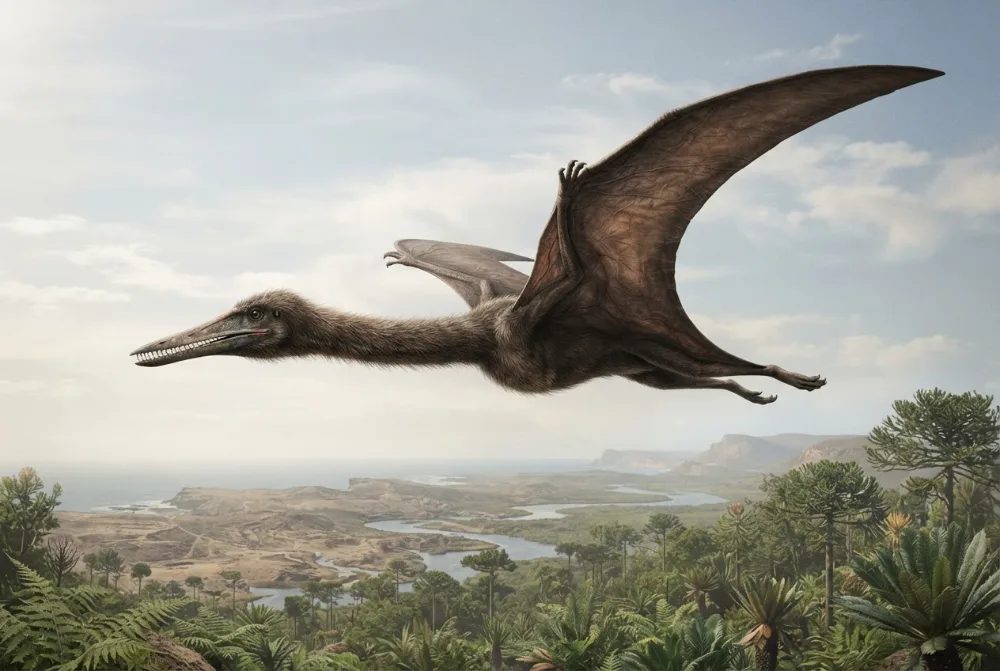
Phosphatodraco was a flying reptile that lived right at the end of the Age of Dinosaurs. It had a long, stiff neck and probably hunted for fish or small animals on land. This pterosaur is one of the last known flying reptiles before the big extinction 66 million years ago.1
Azalaki na bomoi ntango nini?
Azalaki monene boni?
Mapapu na ye ezalaki monene boni?
 mapapu monene lokola bavelo 3 na molongo⚽akokaki kopumbwa kokatisa esika mobimba ya ndembo na sekonde 5,5
Phosphatodraco azalaki monene boni soki tokokanisi na YO?
Kaka matematiki na navigatere na yo. Eloko moko te ebombami to etindami esika moko.
Azalaki na mbangu boni?


Makambo ya kosepelisa
Phosphatodraco is known from five neck vertebrae and a few other bones, all found together in a phosphate mine.1
It was the first Late Cretaceous pterosaur ever discovered in North Africa.1
Its neck was long and stiff, which may have helped it hunt on land like a stork or ground hornbill.1
Phosphatodraco lived about 66 million years ago, right before the mass extinction that killed off all non-bird dinosaurs and many pterosaurs.1
The fossils were found in a layer of phosphate rock, which is why its name means 'dragon from the phosphates'.1
Scientists think Phosphatodraco was an azhdarchid, a group of pterosaurs that often had very long necks and walked on all fours.1
Mituna oyo batunaka mingi na ntina na Phosphatodraco
?How big was Phosphatodraco?
Its wingspan was about 5 metres (16 feet) according to one interpretation, or about 4 metres (13 feet) according to another. Scientists disagree because the bones are incomplete.1
?What did Phosphatodraco eat?
It probably ate fish, but some scientists think it also hunted small animals on land, like a stork. The debate is still going on.14
?How long was Phosphatodraco's neck?
Its complete neck may have been about 865 millimetres (0.86 metres) long. That is based on the five neck vertebrae that were found.1
Mobuki masapo
Lisapo: Some people think pterosaurs like Phosphatodraco were dinosaurs.
Solo: Pterosaurs were flying reptiles, not dinosaurs. They are a separate group of animals that lived at the same time as dinosaurs.1
Mpo na bayebi ya badino
- Nkombo ya siansi
- Phosphatodraco
- Nkombo epesamaki na
- Pereda Suberbiola et al. 20034
- Lisanga
- Bareptile oyo bapumbwaka
- Libota / klade
- Azhdarchidae4
- Klasifikasio
- Pterosauria > Pterodactyloidea > Azhdarchidae4
- Mbula ya mabanga
- mbula milio 72 kino 66 (Maastrichtian)4
- Milongo ya mabanga
- Couche III4
- Bikolo
- Maroke4
- Bafosile oyo ekomami
- 2 na The Paleobiology Database4
- Ntango bamonaki yango
- Phosphatodraco was discovered in 2000 by miners in a phosphate quarry in Morocco. It was named and described by paleontologist Xabier Pereda-Suberbiola and colleagues in 2003.1
- Naino bazali kowelana
- Scientists still debate whether azhdarchids like Phosphatodraco mainly ate fish from the water or hunted small animals on land.1
Esika makambo euti
- Phosphatodraco (en.wikipedia.org)
- A new azhdarchid pterosaur from the Late Cretaceous phosphates of Morocco (exa.ai)
- A new azhdarchid pterosaur from the Late Cretaceous phosphates of Morocco (researchgate.net)
- Phosphatodraco in The Paleobiology Database (CC BY 4.0): mbula, bisika, milongo ya mabanga, klasifikasio.
Likambo nyonso na lokasa oyo ezali na nimero oyo elakisi liziba na yango. Soki tosali libunga, limbisa biso, tozali bato balingaka badino, zulunalo ya siansi te. Yebisa biso na [email protected] mpe tokobongisa yango.
 Rex azali na nzala! Dino Wiki ezali mosala ya tata moko mpo na mwana na ye ya mobali oyo alingaka badino, ofele, piblisite te mpe batrakere te. Bato bakolo bakoki kopesa Rex biskwi mpo na kosalisa ete etikala na internet.Leisa Rex
 Pteranodon
 Quetzalcoatlus
 Dorygnathus
 Rhamphorhynchus
 Anhanguera
 Pterodactylus
 Tyrannosaurus
 Triceratops
 Velociraptor
 Spinosaurus
 Ankylosaurus
 Parasaurolophus