 Uri dinozore iyihe? Umukino w'ibibazo
 Intambara ya dinozore
 Isiganwa rya dinozore
 Imikino mito ya dinozore
 Alubumu ya sitikeri
 Intonde za TOP za dinozore
 Ntungura!
Barilium
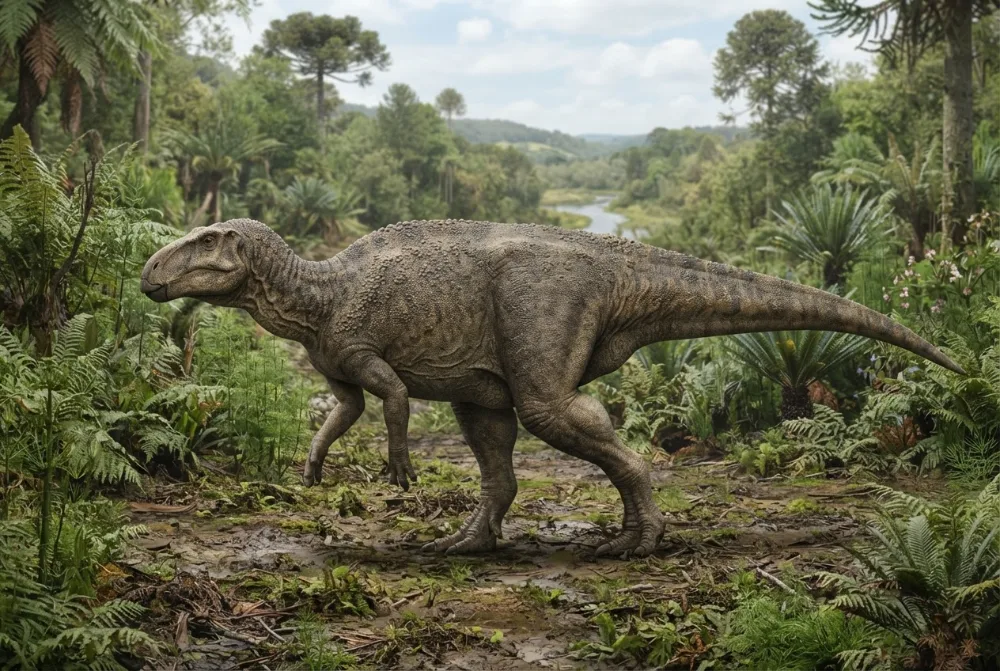
Barilium was a big, plant-eating dinosaur that lived in what is now England. It walked on two legs but could also go on all fours to eat low plants. Its name means 'heavy hip' because of its huge hip bones.3
Yabayeho ryari?
Yanganaga ite?
Yari ndende ite?
Ubutumburuke bwayo bwanganaga iki?
Yari iremereye ite?
 ndende nk'imodoka 2 ziparitse ku murongo🍌ndende nk'imineke 56 ikurikiranye
 iremereye nk'imbwa 200🍉iremereye nk'imbuto 800 za watermelon🎒iremereye nk'ibyumba 5 by'amashuri byuzuye abana🐻❄️iremereye nk'idubu 9 zo mu rubura🏃yashoboraga kwiruka metero 100 mu masegonda 14 (umuntu wihuta kurusha abandi akenera 9,6)
Barilium yanganaga ite ugereranyije NAWE?
Ni imibare gusa ibarirwa muri mushakisha yawe. Nta kintu kibikwa cyangwa cyoherezwa ahandi.
Yihutaga ite?


Utuntu dushimishije
Barilium was first thought to be a species of Iguanodon, called Iguanodon dawsoni, before scientists gave it its own name in 2010.1
Its fossils come from rocks that are between about 137 and 121 million years old, from the Early Cretaceous period.3
Barilium had a very large and strong hip bone (ilium), which is why it was named 'heavy hip'.1
This dinosaur is known from only a few fossils, including parts of the spine, hips, and legs.3
Some scientists think Barilium might be the same as other dinosaurs named Kukufeldia, Sellacoxa, and Torilion, but others disagree.3
Barilium lived alongside other dinosaurs like Hypselospinus and Mantellisaurus in ancient England.1
Ibibazo bibazwa cyane kuri Barilium
?How big was Barilium?
About 8 metres (26 feet) long.2
?What did Barilium eat?
It was a plant-eater (herbivore).3
?When did Barilium live?
It lived during the Early Cretaceous period, about 133 million years ago.2
?Where was Barilium found?
Its fossils were found near St Leonards-on-Sea in East Sussex, England.2
Gusenya ibinyoma
Ibivugwa: Barilium is just a copy of Iguanodon and not a real dinosaur.
Ukuri: Barilium is a distinct dinosaur, with unique hip bones that set it apart from Iguanodon and other relatives.1
Ku bazobereye muri dinozore
- Izina rya siyansi
- Barilium
- Yiswe na
- Norman 20103
- Itsinda
- Izirya ibimera zifite umunwa w'inyoni
- Umuryango / ishami
- Iguanodontidae3
- Ishyirwa mu byiciro
- Ornithischia > Ornithopoda > Iguanodontia3
- Imyaka y'amabuye
- imyaka miliyoni 137 kugeza 121 (Valanginian / Barremian)3
- Inzego z'amabuye
- Wadhurst Clay, Weald Clay, Tunbridge Wells Sand3
- Ibihugu
- Ubwongereza3
- Ibisigazwa byanditswe
- 5 muri The Paleobiology Database3
- Izwi kandi ku izina rya
- Kukufeldia, Sellacoxa, Torilion (amazina ya kera ubu abarwa nk'inyamaswa imwe)3
- Ivumburwa
- The first fossils of Barilium were found in the 1800s and named Iguanodon dawsoni by Richard Lydekker in 1888. In 2010, David B. Norman gave it the new name Barilium after studying the bones more closely.1
- Biracyagibwaho impaka
- Scientists are not sure if Barilium is exactly the same as other dinosaurs named Kukufeldia, Sellacoxa, and Torilion, or if they are different species.3
Aho amakuru yakuwe
- A taxonomy of iguanodontians (Dinosauria: Ornithopoda) from the lower Wealden Group (Cretaceous: Valanginian) of southern England | Zootaxa (biotaxa.org)
- Barilium (en.wikipedia.org)
- Barilium in The Paleobiology Database (CC BY 4.0): imyaka, ahantu, inzego z'amabuye, ishyirwa mu byiciro.
Buri kintu kiri kuri uru rupapuro gifite nimero yerekana aho cyakuwe. Niba hari icyo twibeshye, tubabarire, turi abakunzi ba dinozore, ntituri ikinyamakuru cya siyansi. Tubwire kuri [email protected] tuzagikosora.
 Rex arashonje! Dino Wiki ni umushinga wa papa umwe yakoreye umuhungu we ukunda dinozore, ni ubuntu, nta matangazo kandi nta bigukurikirana. Abantu bakuru bashobora guha Rex akantu ko kurya kugira ngo Dino Wiki ikomeze kuboneka kuri interineti.Gaburira Rex
 Iguanodon
 Tenontosaurus
 Thescelosaurus
 Zalmoxes
 Camptosaurus
 Rhabdodon
 Stegosaurus
 Archaeopteryx
 Giganotosaurus
 Microraptor
 Deinonychus
 Baryonyx