 Uri dinozore iyihe? Umukino w'ibibazo
 Intambara ya dinozore
 Isiganwa rya dinozore
 Imikino mito ya dinozore
 Alubumu ya sitikeri
 Intonde za TOP za dinozore
 Ntungura!
Lingwulong
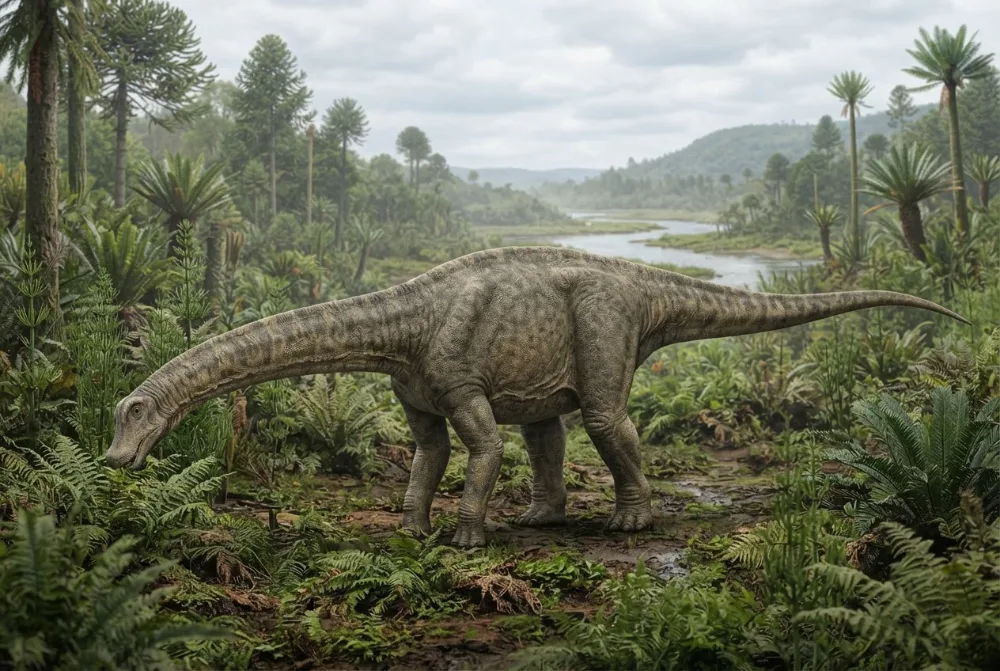
Lingwulong was a long-necked plant-eater that lived about 174 million years ago. It was one of the earliest diplodocoid sauropods ever found, and the first one discovered in East Asia. Its fossils were a big surprise to scientists!21
Yabayeho ryari?
Yanganaga ite?
Yari ndende ite?
Ubutumburuke bwayo bwanganaga iki?
igereranya
Yari iremereye ite?
 ndende nk'imodoka 3 ziparitse ku murongo🍌ndende nk'imineke 78 ikurikiranye
 iremereye nk'inzovu 2🍉iremereye nk'imbuto 2200 za watermelon🎒iremereye nk'ibyumba 14 by'amashuri byuzuye abana🐻❄️iremereye nk'idubu 24 zo mu rubura🏃yashoboraga kwiruka metero 100 mu masegonda 24 (umuntu wihuta kurusha abandi akenera 9,6)
Lingwulong yanganaga ite ugereranyije NAWE?
Ni imibare gusa ibarirwa muri mushakisha yawe. Nta kintu kibikwa cyangwa cyoherezwa ahandi.
Yihutaga ite?


Utuntu dushimishije
Lingwulong is the earliest known diplodocoid sauropod, living about 174 million years ago in the Middle Jurassic.2
It is the only definite diplodocoid dinosaur ever found in East Asia, challenging the idea that this group never lived there.1
The fossils include 7 to 10 partial skeletons, from juveniles to adults, including parts of two skulls.2
Its name means 'amazing dragon from Lingwu' because finding a dicraeosaurid in China was so unexpected.1
Lingwulong belonged to Dicraeosauridae, a group of sauropods with shorter necks and spines on their vertebrae.2
Its discovery suggests that many advanced sauropod groups spread across the world while the supercontinent Pangaea was still together.2
Ibibazo bibazwa cyane kuri Lingwulong
?How big was Lingwulong?
Scientists have not given a specific length or weight for Lingwulong in the sources, so its exact size is not known. It was a diplodocoid sauropod, and many of its relatives were large, but no exact numbers are available.12
?What did Lingwulong eat?
Lingwulong was a plant-eater. As a sauropod dinosaur, it ate plants.2
Ku bazobereye muri dinozore
- Izina rya siyansi
- Lingwulong
- Yiswe na
- Xu et al. 20184
- Itsinda
- Izifite amajosi maremare
- Umuryango / ishami
- Flagellicaudata4
- Ishyirwa mu byiciro
- Sauropodomorpha > Sauropoda > Diplodocoidea4
- Imyaka y'amabuye
- imyaka miliyoni 175 kugeza 162 (Aalenian / Callovian)4
- Ibihugu
- Ubushinwa4
- Ibisigazwa byanditswe
- 1 muri The Paleobiology Database4
- Ivumburwa
- Lingwulong was named in 2018 by Xu Xing and colleagues based on fossils found from 2005 onward in the Yanan Formation of China.21
- Biracyagibwaho impaka
- Scientists are still debating whether the absence of neosauropods in the Late Jurassic of East Asia is due to real extinction or just poor fossil sampling.2
Aho amakuru yakuwe
- Lingwulong (en.wikipedia.org)
- A new Middle Jurassic diplodocoid suggests an earlier dispersal and diversification of sauropod dinosaurs | Nature Communications (preview-www.nature.com)
- Brontosaurus Relatives Unearthed in East Asia for the First Time - AIP.ORG (aip.org)
- Lingwulong in The Paleobiology Database (CC BY 4.0): imyaka, ahantu, inzego z'amabuye, ishyirwa mu byiciro.
Buri kintu kiri kuri uru rupapuro gifite nimero yerekana aho cyakuwe. Niba hari icyo twibeshye, tubabarire, turi abakunzi ba dinozore, ntituri ikinyamakuru cya siyansi. Tubwire kuri [email protected] tuzagikosora.
 Rex arashonje! Dino Wiki ni umushinga wa papa umwe yakoreye umuhungu we ukunda dinozore, ni ubuntu, nta matangazo kandi nta bigukurikirana. Abantu bakuru bashobora guha Rex akantu ko kurya kugira ngo Dino Wiki ikomeze kuboneka kuri interineti.Gaburira Rex
 Brachiosaurus
 Diplodocus
 Brontosaurus
 Argentinosaurus
 Camarasaurus
 Morosaurus
 Ichthyosaurus
 Khudiakovia
 Ophthalmosaurus
 Pterodactylus
 Peloneustes
 Rhamphocephalus