 Uri dhino ripi? Kwizi
 Hondo yemadhino
 Mujaho wemadhino
 Mitambo midiki yemadhino
 Arubhamu yemasitika
 Rondedzero dzeTOP dzemadhino
 Ndishamise!
Boreonykus
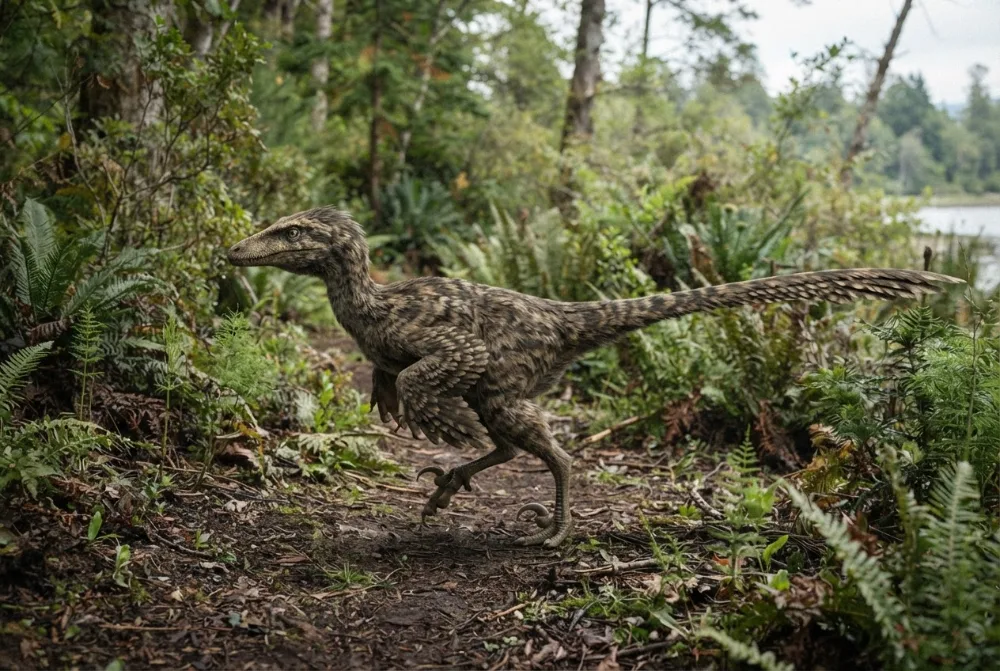
Boreonykus was a small, fast dinosaur that lived in Canada during the Late Cretaceous. It had a big sickle claw on each foot, which it used to hunt and slash its prey. This raptor was a cousin of the famous Velociraptor.1
Rairarama rini?
Raiva hombe sei?
Raiva refu zvakadii?
Raiva rakakwirira zvakadii?
Rairema zvakadii?

 kureba seimbwa 3 kubva pamhino kusvika kumuswe🍌kureba semabhanana 17 akatevedzana🍌kurema semabhanana 110🏃raigona kumhanya mamita 100 mumasekonzi 9 (munhu anomhanya kupfuura vose anoda 9.6)
Boreonykus raiva hombe sei kana richienzaniswa NEWE?
Masvomhu chete mubrowser yako. Hapana chinochengetwa kana kutumirwa kupi zvako.
Raimhanya zvakadii?


Zvinonakidza
Boreonykus was named in 2015 by scientists Phil Bell and Philip Currie.1
Its fossils were found in a bonebed that contained at least 27 individuals of the horned dinosaur Pachyrhinosaurus.1
The name Boreonykus means 'northern claw', because it lived in what is now Canada and had a large claw on its foot.1
Only a few bones of Boreonykus have been found, including a skull bone, teeth, and a sickle claw.1
Boreonykus lived about 73 million years ago, during the Late Cretaceous period.1
Scientists think Boreonykus was a dromaeosaurid, a group of feathered dinosaurs that includes Velociraptor and Deinonychus.6
Mibvunzo inonyanya kubvunzwa nezve Boreonykus
?How big was Boreonykus?
About 2 metres long and as tall as a dog.3
?What did Boreonykus eat?
It was a meat-eater that probably ate the carcasses of the horned dinosaur Pachyrhinosaurus. Its serrated teeth and big claws helped it hunt and slash prey. [dinomuseum.ca](https://dinomuseum.ca/2016/03/new-dinosaur-boreonykus)5
?Did Boreonykus have feathers?
Yes, because it was a dromaeosaurid, a group of feathered dinosaurs that includes Velociraptor. [wikipedia.org](https://en.wikipedia.org/wiki/Boreonykus)1
?Where was Boreonykus found?
In the Pipestone Creek bonebed in central Alberta, Canada, about 20 kilometres southwest of Grande Prairie. [cbc.ca](https://www.cbc.ca/news/canada/edmonton/sharp-toothed-boreonykus-a-dog-sized-dinosaur-found-near-grande-prairie-1.3494699)3
Zvevanyanzvi vemadhino
- Zita resainzi
- Boreonykus
- Akaripa zita:
- Bell and Currie 20166
- Boka
- Maraputa
- Mhuri / boka
- Dromaeosauridae6
- Kurongwa kwemhuka
- Theropoda > Dromaeosauridae6
- Zera rematombo
- makore mamiriyoni 84 kusvika 72 (Campanian)6
- Mapoka ematombo
- Wapiti6
- Nyika
- Kanada6
- Zvinyorwa zvemafosiri
- 2 mu The Paleobiology Database6
- Kuwanikwa
- Boreonykus was named and described by Phil Bell and Philip Currie in 2015. The fossils were found in the 1980s at Pipestone Creek in Alberta, Canada, during digs for the horned dinosaur Pachyrhinosaurus.1
- Zvichiri kupokanwa
- Scientists are not sure whether Boreonykus was a velociraptorine or a dromaeosaurine, because different studies place it in different groups.1
Kunobva chokwadi
- Boreonykus (en.wikipedia.org)
- PBDB Taxon (paleobiodb.org)
- Sharp-toothed Boreonykus, a dog-sized dinosaur, found near Grande Prairie | CBC News (cbc.ca)
- Boreonykus certekorum | Dinosaur Database by DinoAnimals.com (dinoanimals.com)
- What Big Claws You Have: Northern Alberta Welcomes New Raptor Dinosaur - Philip J. Currie Dinosaur Museum (dinomuseum.ca)
- Boreonykus in The Paleobiology Database (CC BY 4.0): zera, nzvimbo, mapoka ematombo, kurongwa kwemhuka.
Chokwadi chega chega papeji ino chine nhamba inoratidza kwachakabva. Kana takakanganisa chimwe chinhu, ruregerero, tiri vanoda madhino, kwete magazini yesainzi. Tiudze pa [email protected] tichazvigadzirisa.
 Rex ane nzara! Dino Wiki ipurojekiti yababa yemwanakomana wavo anoda madhino, mahara, pasina kushambadza uye pasina zvinokutevera. Vakuru vanogona kupa Rex chekudyadya kuti vabatsire kuchengeta saiti iri pamhepo.Fudza Rex
 Velociraptor
 Microraptor
 Deinonychus
 Asiamericana
 Richardoestesia
 Saurornitholestes
 Tyrannosaurus
 Triceratops
 Spinosaurus
 Ankylosaurus
 Parasaurolophus
 Pteranodon