 Uri dhino ripi? Kwizi
 Hondo yemadhino
 Mujaho wemadhino
 Mitambo midiki yemadhino
 Arubhamu yemasitika
 Rondedzero dzeTOP dzemadhino
 Ndishamise!
Epapatelo
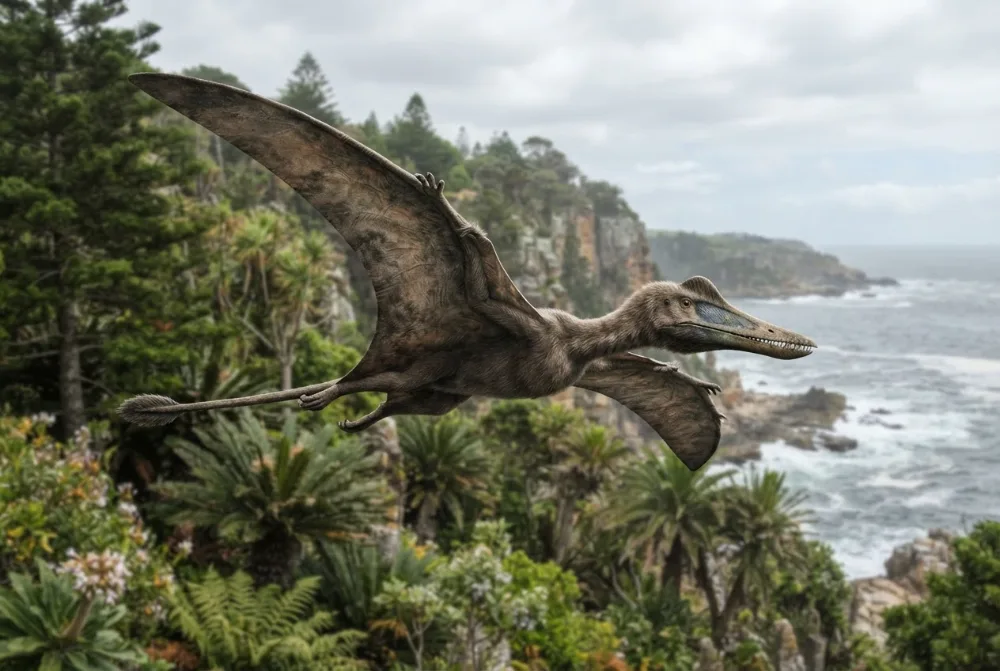
Epapatelo was a flying reptile that lived near the coast of ancient Angola. It soared over the ocean and dove into the water to catch fish, just like a modern seabird.1
Rairarama rini?
Raiva hombe sei?
Mapapiro aro aiva akapamhama zvakadii?
 mapapiro akapamhama semabhasikoro 3 akatevedzana⚽raigona kubhururuka richiyambuka nhandare yose yebhora mumasekonzi 5.2
Epapatelo raiva hombe sei kana richienzaniswa NEWE?
Masvomhu chete mubrowser yako. Hapana chinochengetwa kana kutumirwa kupi zvako.
Raimhanya zvakadii?


Zvinonakidza
Epapatelo is known from only a few bones: a partial upper arm bone and two forearm bones from two different individuals.1
It lived about 71 to 72 million years ago, during the Late Cretaceous period.1
Epapatelo belonged to a group of pterosaurs called pteranodontians, which were large, toothless flying reptiles.1
The fossils were found in marine rocks, showing that Epapatelo lived near the sea and probably died in the water.1
Epapatelo is one of the few pterosaurs ever found in Africa from the very end of the dinosaur age.1
Mibvunzo inonyanya kubvunzwa nezve Epapatelo
?How big was Epapatelo?
About 4.8 to 5.6 metres (16 to 18 feet) across the wings, based on the two known individuals. Some other bones found in Angola suggest an even larger size.2
?What did Epapatelo eat?
It ate fish. Epapatelo was a piscivore that dove into the ocean to catch its food, much like a modern seabird.1
?When did Epapatelo live?
It lived about 71 to 72 million years ago, during the Late Cretaceous period.2
?Where was Epapatelo found?
In Angola, near the coast of Namibe Province. The fossils were discovered in marine rocks at a site called Bentiaba.2
Zvevanyanzvi vemadhino
- Zita resainzi
- Epapatelo
- Akaripa zita:
- Fernandes et al. 20223
- Boka
- Zvinokambaira zvinobhururuka
- Mhuri / boka
- Aponyctosauria3
- Kurongwa kwemhuka
- Pterosauria > Pterodactyloidea3
- Zera rematombo
- makore mamiriyoni 72 kusvika 66 (Maastrichtian)3
- Mapoka ematombo
- Mocuio3
- Nyika
- Angola3
- Zvinyorwa zvemafosiri
- 1 mu The Paleobiology Database3
- Kuwanikwa
- Epapatelo was named in 2022 by a team of scientists led by Alexandra Fernandes. The fossils were found in the Namibe desert of Angola during the Projecto PaleoAngola expeditions.31
- Zvichiri kupokanwa
- Scientists are not sure how big Epapatelo was, because only a few arm bones have been found.1
Kunobva chokwadi
- Pterosaurs from the Late Cretaceous of Angola (mdpi.com)
- Epapatelo (en.wikipedia.org)
- Epapatelo in The Paleobiology Database (CC BY 4.0): zera, nzvimbo, mapoka ematombo, kurongwa kwemhuka.
Chokwadi chega chega papeji ino chine nhamba inoratidza kwachakabva. Kana takakanganisa chimwe chinhu, ruregerero, tiri vanoda madhino, kwete magazini yesainzi. Tiudze pa [email protected] tichazvigadzirisa.
 Rex ane nzara! Dino Wiki ipurojekiti yababa yemwanakomana wavo anoda madhino, mahara, pasina kushambadza uye pasina zvinokutevera. Vakuru vanogona kupa Rex chekudyadya kuti vabatsire kuchengeta saiti iri pamhepo.Fudza Rex
 Pteranodon
 Quetzalcoatlus
 Dorygnathus
 Rhamphorhynchus
 Anhanguera
 Pterodactylus
 Tyrannosaurus
 Triceratops
 Velociraptor
 Spinosaurus
 Ankylosaurus
 Parasaurolophus