 Uri dhino ripi? Kwizi
 Hondo yemadhino
 Mujaho wemadhino
 Mitambo midiki yemadhino
 Arubhamu yemasitika
 Rondedzero dzeTOP dzemadhino
 Ndishamise!
Fruitadens
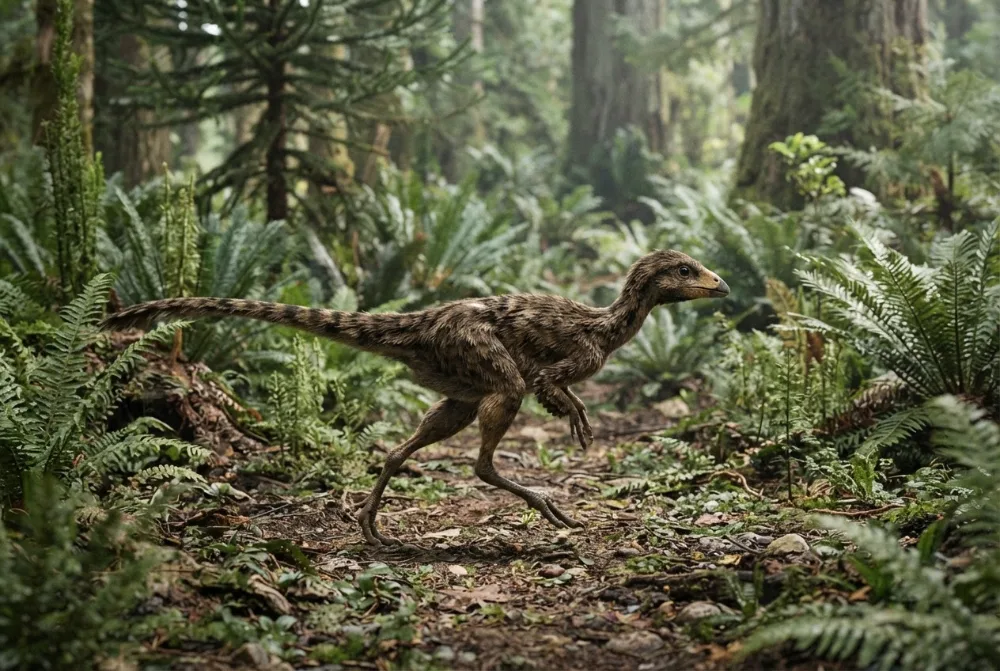
Fruitadens was one of the tiniest plant-eating dinosaurs ever found. It was only as long as a big cat and weighed less than a bag of sugar. This little dinosaur lived in what is now the western United States during the Late Jurassic period.12
Rairarama rini?
Raiva hombe sei?
Raiva refu zvakadii?
Raiva rakakwirira zvakadii?
fungidziro
Rairema zvakadii?
Fruitadens raiva hombe sei kana richienzaniswa NEWE?
Masvomhu chete mubrowser yako. Hapana chinochengetwa kana kutumirwa kupi zvako.
Raimhanya zvakadii?


Zvinonakidza
Fruitadens is the smallest known ornithischian dinosaur, a group that includes many plant-eaters.12
Its lower jaw had an enlarged canine-like tooth, with a gap in the upper jaw for it to fit.1
Unlike many other dinosaurs, Fruitadens had replacement teeth growing in its jaws, like modern mammals.1
The fossils were first found in the 1970s and 1980s by teams from the Natural History Museum of Los Angeles County.1
Fruitadens lived alongside snails, clams, turtles, and early mammals in a floodplain environment.1
Its leg bones were hollow, like those of small meat-eating dinosaurs, which helped keep it light.1
Mibvunzo inonyanya kubvunzwa nezve Fruitadens
?How big was Fruitadens?
Fruitadens was very small, about 65 to 75 cm long and weighed 0.5 to 0.75 kg. That is about as long as a large house cat and lighter than a bag of sugar.12
?What did Fruitadens eat?
Fruitadens was an omnivore, meaning it ate both plants and small animals. Scientists think it ate select plant material and possibly insects or other invertebrates.13
?When did Fruitadens live?
Fruitadens lived during the Late Jurassic period, about 150 million years ago. Its fossils were found in rocks that are around 150.3 to 150.2 million years old.1
?Where was Fruitadens found?
Fruitadens fossils were found in Colorado, USA, in an area called the Fruita Paleontological Area. The name Fruitadens means 'Fruita teeth' after the town of Fruita.1
?Did Fruitadens have teeth?
Yes, Fruitadens had teeth, including an enlarged canine-like tooth in its lower jaw and a small peg-like tooth in front of it. Unlike many other dinosaurs, it could replace its teeth like modern mammals.1
Zvevanyanzvi vemadhino
- Zita resainzi
- Fruitadens
- Akaripa zita:
- Butler et al. 20104
- Boka
- Vanodya miriwo vane miromo
- Mhuri / boka
- Heterodontosauridae4
- Kurongwa kwemhuka
- Ornithischia > Heterodontosauridae4
- Zera rematombo
- makore mamiriyoni 149 kusvika 143 (Tithonian)4
- Mapoka ematombo
- Morrison4
- Nyika
- Amerika4
- Zvinyorwa zvemafosiri
- 4 mu The Paleobiology Database4
- Kuwanikwa
- Fruitadens was named in 2010 by Richard Butler and colleagues. The fossils were found in the Fruita Paleontological Area of Colorado, USA, in rocks about 150 million years old.14
- Zvichiri kupokanwa
- Scientists are still debating exactly what Fruitadens ate, though it likely ate both plants and small animals.12
Kunobva chokwadi
- Fruitadens (en.wikipedia.org)
- Lower limits of ornithischian dinosaur body size inferred from a new Upper Jurassic heterodontosaurid from North America | Proceedings B | The Royal Society (royalsocietypublishing.org)
- Small-Bodied Dinosaur Fruitadens haagarorum from the (journals.plos.org)
- Fruitadens in The Paleobiology Database (CC BY 4.0): zera, nzvimbo, mapoka ematombo, kurongwa kwemhuka.
Chokwadi chega chega papeji ino chine nhamba inoratidza kwachakabva. Kana takakanganisa chimwe chinhu, ruregerero, tiri vanoda madhino, kwete magazini yesainzi. Tiudze pa [email protected] tichazvigadzirisa.
 Rex ane nzara! Dino Wiki ipurojekiti yababa yemwanakomana wavo anoda madhino, mahara, pasina kushambadza uye pasina zvinokutevera. Vakuru vanogona kupa Rex chekudyadya kuti vabatsire kuchengeta saiti iri pamhepo.Fudza Rex
 Iguanodon
 Tenontosaurus
 Thescelosaurus
 Zalmoxes
 Camptosaurus
 Rhabdodon
 Brachiosaurus
 Diplodocus
 Allosaurus
 Brontosaurus
 Compsognathus
 Camarasaurus