 Uri dhino ripi? Kwizi
 Hondo yemadhino
 Mujaho wemadhino
 Mitambo midiki yemadhino
 Arubhamu yemasitika
 Rondedzero dzeTOP dzemadhino
 Ndishamise!
Ikqaumishan
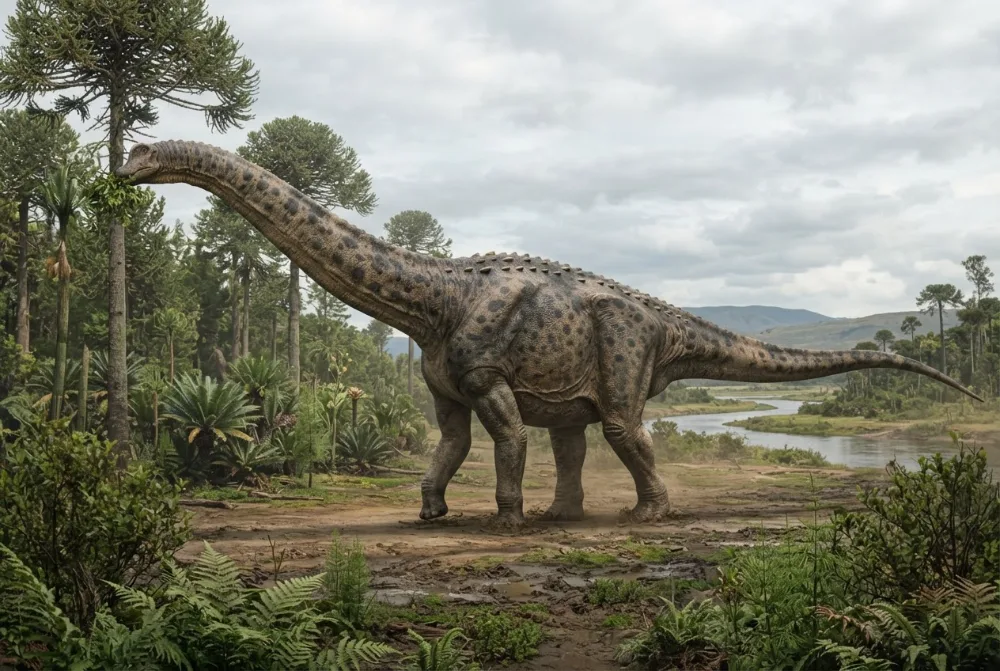
Ikqaumishan was a huge, long-necked plant-eater that stomped around what is now Pakistan and India near the very end of the dinosaur age. It belonged to a group called titanosaurs, which included some of the biggest land animals ever. It probably used its long neck to munch leaves high in trees.21
Rairarama rini?
Raiva hombe sei?
Raiva refu zvakadii?
 kureba semotokari 22 dzakamiswa dzakatevedzana🍌kureba semabhanana 560 akatevedzana🏃raigona kumhanya mamita 100 mumasekonzi 24 (munhu anomhanya kupfuura vose anoda 9.6)
Ikqaumishan raiva hombe sei kana richienzaniswa NEWE?
Masvomhu chete mubrowser yako. Hapana chinochengetwa kana kutumirwa kupi zvako.
Raimhanya zvakadii?


Zvinonakidza
Ikqaumishan is known from a partial upper arm bone called a humerus, which was found in Pakistan.2
It lived about 72 to 66 million years ago, during the Maastrichtian age, which is the very last part of the dinosaur era.2
Its upper arm bone had a special ridge that was straight and set inward, which is different from many other titanosaurs.1
The place where it was found was near the equator about 9 degrees south, so it lived in a warm, tropical area.1
Ikqaumishan is one of several new titanosaurs described from Pakistan in 2023, showing that this region had many giant plant-eaters.1
Its fossils were found in rocks that formed in a river environment, so it probably walked along ancient floodplains.2
Mibvunzo inonyanya kubvunzwa nezve Ikqaumishan
?What is Ikqaumishan?
Ikqaumishan is a genus of titanosaurian sauropod dinosaur from the Late Cretaceous. It was a huge, long-necked plant-eater.41
?How big was Ikqaumishan?
The exact size is not known, but it was a large titanosaur. The only known fossil is a partial upper arm bone, so scientists can only estimate its size.43
?When did Ikqaumishan live?
Ikqaumishan lived during the Maastrichtian age, about 72 to 66 million years ago, near the very end of the dinosaur age.41
?What did Ikqaumishan eat?
Ikqaumishan was a herbivore, meaning it ate plants. It probably used its long neck to munch leaves high in trees.41
?Where was Ikqaumishan found?
Ikqaumishan fossils were found in Pakistan and India. The main bone, a partial humerus, came from the Vitakri Formation in Balochistan, Pakistan.31
?Is Ikqaumishan a dinosaur?
Yes, Ikqaumishan is a dinosaur. It belongs to the group called titanosaurs, which were long-necked sauropod dinosaurs.41
?Why is it called Ikqaumishan?
The name honors former Prime Minister Imran Khan and journalist Imran Khan, and comes from Urdu/Saraiki words meaning 'nation' and 'respect'.3
Mubvisi wengano
Ngano: Some people think all dinosaurs lived in North America or Africa, but Ikqaumishan shows that giant sauropods also lived in South Asia.
Chokwadi: Ikqaumishan is a real dinosaur from Pakistan and India, proving that titanosaurs thrived in many parts of the ancient world.2
Zvevanyanzvi vemadhino
- Zita resainzi
- Ikqaumishan
- Akaripa zita:
- Malkani 20234
- Boka
- Madhino emitsipa mirefu
- Mhuri / boka
- Gspsauridae4
- Kurongwa kwemhuka
- Sauropodomorpha > Sauropoda > Titanosauria > Macronaria4
- Zera rematombo
- makore mamiriyoni 72 kusvika 66 (Maastrichtian)4
- Mapoka ematombo
- Vitakri, Lameta4
- Nyika
- Pakistan, India4
- Zvinyorwa zvemafosiri
- 3 mu The Paleobiology Database4
- Kuwanikwa
- Ikqaumishan was named by paleontologist M. S. Malkani in 2023. The first fossil, a partial humerus, was found in the Sangiali locality in the Vitakri Formation, Pakistan.21
- Zvichiri kupokanwa
- Scientists are still debating exactly how many different titanosaur species lived in Pakistan, because many are known from only a few bones.1
Kunobva chokwadi
- A Glance on the Mineral Deposits and Stratigraphic Sequential Variations and Structures in Different Sections of Indus Basin (Pakistan): New Titanosaurian Sauropod Dinosaurs from the Latest Maastrichtian Vitakri Formation of Pakistan (scirp.org)
- PBDB Taxon (paleobiodb.org)
- Untitled Document (paleofile.com)
- Ikqaumishan in The Paleobiology Database (CC BY 4.0): zera, nzvimbo, mapoka ematombo, kurongwa kwemhuka.
Chokwadi chega chega papeji ino chine nhamba inoratidza kwachakabva. Kana takakanganisa chimwe chinhu, ruregerero, tiri vanoda madhino, kwete magazini yesainzi. Tiudze pa [email protected] tichazvigadzirisa.
 Rex ane nzara! Dino Wiki ipurojekiti yababa yemwanakomana wavo anoda madhino, mahara, pasina kushambadza uye pasina zvinokutevera. Vakuru vanogona kupa Rex chekudyadya kuti vabatsire kuchengeta saiti iri pamhepo.Fudza Rex
 Brachiosaurus
 Diplodocus
 Brontosaurus
 Argentinosaurus
 Camarasaurus
 Morosaurus
 Tyrannosaurus
 Triceratops
 Velociraptor
 Spinosaurus
 Ankylosaurus
 Parasaurolophus