 Uri dhino ripi? Kwizi
 Hondo yemadhino
 Mujaho wemadhino
 Mitambo midiki yemadhino
 Arubhamu yemasitika
 Rondedzero dzeTOP dzemadhino
 Ndishamise!
Labocania
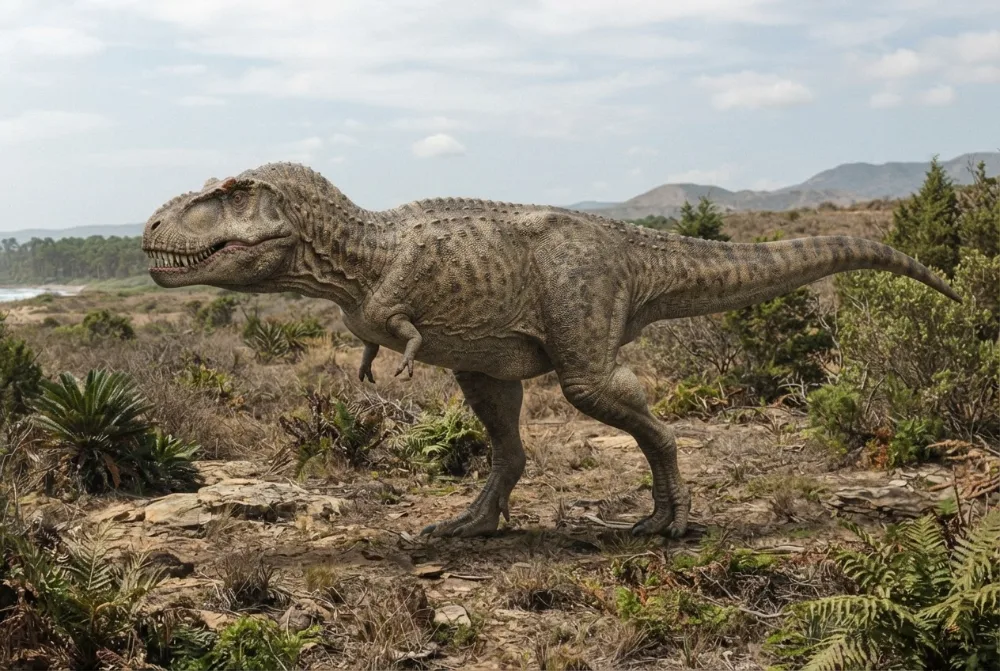
Labocania was a meat-eating dinosaur that lived in Mexico during the Late Cretaceous, about 85 to 72 million years ago. It was a medium-sized predator with strong bones and sharp teeth. Scientists are still figuring out exactly what kind of theropod it was.12
Rairarama rini?
Raiva hombe sei?
Raiva refu zvakadii?
Raiva rakakwirira zvakadii?
fungidziro
Rairema zvakadii?

 kureba seimbwa 8 kubva pamhino kusvika kumuswe🍌kureba semabhanana 46 akatevedzanakurema seimbwa 140🍉kurema semanwiwa 580🎒kurema semakirasi 4 akazara evana vechikoro🐻❄️kurema semabere echando 6🏃raigona kumhanya mamita 100 mumasekonzi 12 (munhu anomhanya kupfuura vose anoda 9.6)
Labocania raiva hombe sei kana richienzaniswa NEWE?
Masvomhu chete mubrowser yako. Hapana chinochengetwa kana kutumirwa kupi zvako.
Raimhanya zvakadii?


Zvinonakidza
Labocania's skull bones were very thick and strong, especially the bones on top of its head.1
The first Labocania fossils were found in 1970 by a volunteer named Harley J. Garbani during an expedition in Baja California, Mexico.1
Labocania's teeth were flat and curved backwards, which helped it hold onto prey.1
Scientists have debated whether Labocania was a tyrannosaur, an abelisaur, or a carcharodontosaur. In 2024, a new study placed it with tyrannosaurs.1
The second species, Labocania aguillonae, was named in 2024 after Martha C. Aguillon, a paleontologist from Coahuila, Mexico.1
Labocania lived on land and walked on two legs, like other theropods.2
Mibvunzo inonyanya kubvunzwa nezve Labocania
?How big was Labocania?
Labocania was a medium sized carnivore. The species L. anomala was about 7 to 8.2 metres long and weighed around 1.5 to 2.6 tonnes. The smaller L. aguillonae was about 6.3 metres long.1
?Is Labocania a dinosaur?
Yes, Labocania is a dinosaur. It is a theropod dinosaur that lived in Mexico during the Late Cretaceous.1
?What did Labocania eat?
Labocania was a meat-eater. It had sharp, curved teeth and strong bones to help it catch and eat other animals.1
?When did Labocania live?
Labocania lived during the Late Cretaceous period, about 85 to 72 million years ago. Some estimates suggest it might have lived as early as about 93.6 million years ago.1
Mubvisi wengano
Ngano: Some people think Labocania was definitely a tyrannosaur like T. rex.
Chokwadi: Scientists are not sure. It might be a tyrannosaur, but some studies suggest it could be an abelisaur or a carcharodontosaur. The most recent study in 2024 supports tyrannosaur, but others disagree.1
Zvevanyanzvi vemadhino
- Zita resainzi
- Labocania
- Akaripa zita:
- Molnar 19745
- Boka
- Matiranosauro
- Mhuri / boka
- Tyrannosauridae5
- Kurongwa kwemhuka
- Theropoda > Tyrannosauroidea > Tyrannosauridae5
- Zera rematombo
- makore mamiriyoni 86 kusvika 72 (Santonian / Campanian)5
- Mapoka ematombo
- La Bocana Roja, Cerro del Pueblo5
- Nyika
- Mexico5
- Zvinyorwa zvemafosiri
- 2 mu The Paleobiology Database5
- Kuwanikwa
- The first fossils were found in 1970 by Harley J. Garbani during an expedition in Baja California, Mexico. Ralph Molnar named the dinosaur Labocania anomala in 1974.1
- Zvichiri kupokanwa
- Scientists still debate what kind of theropod Labocania was. Some think it was a tyrannosaur, others think it was an abelisaur or a carcharodontosaur.1
Kunobva chokwadi
- Labocania (en.wikipedia.org)
- PBDB Taxon (paleobiodb.org)
- A New Tyrant Dinosaur from the Late Campanian of Mexico Reveals a Tribe of Southern Tyrannosaurs (mdpi.com)
- A Leggy Tyrannosaur Emerges From a Mexican Desert - The New York Times (nytimes.com)
- Labocania in The Paleobiology Database (CC BY 4.0): zera, nzvimbo, mapoka ematombo, kurongwa kwemhuka.
Chokwadi chega chega papeji ino chine nhamba inoratidza kwachakabva. Kana takakanganisa chimwe chinhu, ruregerero, tiri vanoda madhino, kwete magazini yesainzi. Tiudze pa [email protected] tichazvigadzirisa.
 Rex ane nzara! Dino Wiki ipurojekiti yababa yemwanakomana wavo anoda madhino, mahara, pasina kushambadza uye pasina zvinokutevera. Vakuru vanogona kupa Rex chekudyadya kuti vabatsire kuchengeta saiti iri pamhepo.Fudza Rex
 Tyrannosaurus
 Tarbosaurus
 Albertosaurus
 Daspletosaurus
 Gorgosaurus
 Alectrosaurus
 Triceratops
 Velociraptor
 Spinosaurus
 Ankylosaurus
 Parasaurolophus
 Pteranodon