 Uri dhino ripi? Kwizi
 Hondo yemadhino
 Mujaho wemadhino
 Mitambo midiki yemadhino
 Arubhamu yemasitika
 Rondedzero dzeTOP dzemadhino
 Ndishamise!
Pararhabdodon
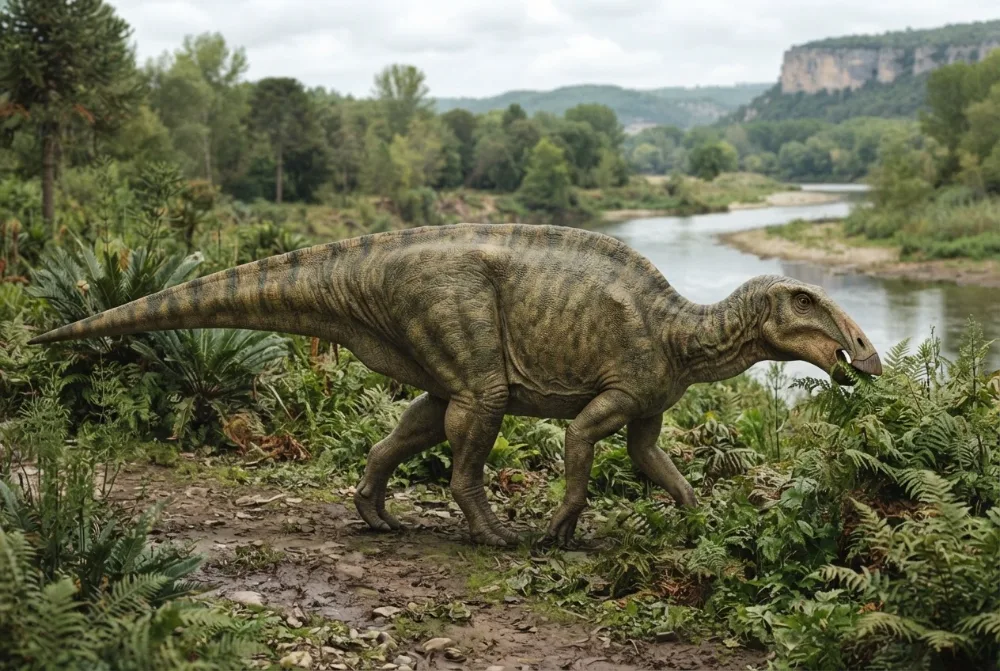
Pararhabdodon was a big duck-billed dinosaur that lived in Spain near the end of the Age of Dinosaurs. It walked on two legs or all fours and munched on plants with its toothy beak.1
Rairarama rini?
Raiva hombe sei?
Raiva refu zvakadii?
 kureba semotokari 2 dzakamiswa dzakatevedzana🍌kureba semabhanana 50 akatevedzana🏃raigona kumhanya mamita 100 mumasekonzi 15 (munhu anomhanya kupfuura vose anoda 9.6)
Pararhabdodon raiva hombe sei kana richienzaniswa NEWE?
Masvomhu chete mubrowser yako. Hapana chinochengetwa kana kutumirwa kupi zvako.
Raimhanya zvakadii?


Zvinonakidza
Pararhabdodon was one of the very last non-bird dinosaurs, living just before the big extinction 66 million years ago.1
It was the first lambeosaurine hadrosaur ever found on the European continent.1
Even though it lived on an island, it did not shrink like some other island dinosaurs; it may have grown as large as its relatives in North America and Asia.1
Scientists think it could walk on two legs or on all fours, depending on what it was doing.1
Some bones from France and other Spanish sites were once thought to belong to Pararhabdodon, but later studies questioned those ideas.1
A bonebed called Basturs Poble has many hadrosaur bones, and some scientists thought they belonged to Pararhabdodon, but that is not certain.1
Mibvunzo inonyanya kubvunzwa nezve Pararhabdodon
?How big was Pararhabdodon?
The holotype specimen was about 6 metres (20 ft) long, but it was not fully grown. Adults likely reached around 9 metres (30 ft), similar to relatives like Corythosaurus and Tsintaosaurus.1
?What did Pararhabdodon eat?
It was a herbivore, meaning it ate plants. It used its toothy beak to munch on vegetation.1
?Where was Pararhabdodon found?
Its fossils were discovered in the Tremp Group of Spain, near Isona in the Pyrenees. Some bones from France were once thought to belong to it, but that is now questioned.1
?Is Pararhabdodon a dinosaur?
Yes, it is a dinosaur. Specifically, it is a lambeosaurine hadrosaurid, a type of duck-billed dinosaur.1
Mubvisi wengano
Ngano: Some people think Pararhabdodon was a small dinosaur because it lived on an island.
Chokwadi: The holotype was not fully grown, and adults likely reached about 9 metres long, similar to other lambeosaurines.1
Zvevanyanzvi vemadhino
- Zita resainzi
- Pararhabdodon
- Akaripa zita:
- Casanovas Cladellas 19922
- Boka
- Miromo-yedhadha
- Mhuri / boka
- Hadrosauridae2
- Kurongwa kwemhuka
- Ornithischia > Ornithopoda > Iguanodontia > Hadrosauridae2
- Zera rematombo
- makore mamiriyoni 72 kusvika 66 (Maastrichtian)2
- Mapoka ematombo
- Conques, Talarn, La Posa2
- Nyika
- Spain2
- Zvinyorwa zvemafosiri
- 7 mu The Paleobiology Database2
- Kuwanikwa
- Fossils were first dug up in 1985 at Sant Romà d'Abella in Spain, and in 1993 scientists named the species Pararhabdodon isonensis.1
- Zvichiri kupokanwa
- Scientists still debate whether some other Spanish hadrosaurs, like Blasisaurus and Arenysaurus, were actually the same animal as Pararhabdodon.1
Kunobva chokwadi
- Pararhabdodon (en.wikipedia.org)
- Pararhabdodon in The Paleobiology Database (CC BY 4.0): zera, nzvimbo, mapoka ematombo, kurongwa kwemhuka.
Chokwadi chega chega papeji ino chine nhamba inoratidza kwachakabva. Kana takakanganisa chimwe chinhu, ruregerero, tiri vanoda madhino, kwete magazini yesainzi. Tiudze pa [email protected] tichazvigadzirisa.
 Rex ane nzara! Dino Wiki ipurojekiti yababa yemwanakomana wavo anoda madhino, mahara, pasina kushambadza uye pasina zvinokutevera. Vakuru vanogona kupa Rex chekudyadya kuti vabatsire kuchengeta saiti iri pamhepo.Fudza Rex
 Parasaurolophus
 Edmontosaurus
 Saurolophus
 Hypacrosaurus
 Corythosaurus
 Kritosaurus
 Tyrannosaurus
 Triceratops
 Velociraptor
 Spinosaurus
 Ankylosaurus
 Pteranodon