 Uri dhino ripi? Kwizi
 Hondo yemadhino
 Mujaho wemadhino
 Mitambo midiki yemadhino
 Arubhamu yemasitika
 Rondedzero dzeTOP dzemadhino
 Ndishamise!
Phosphatodraco
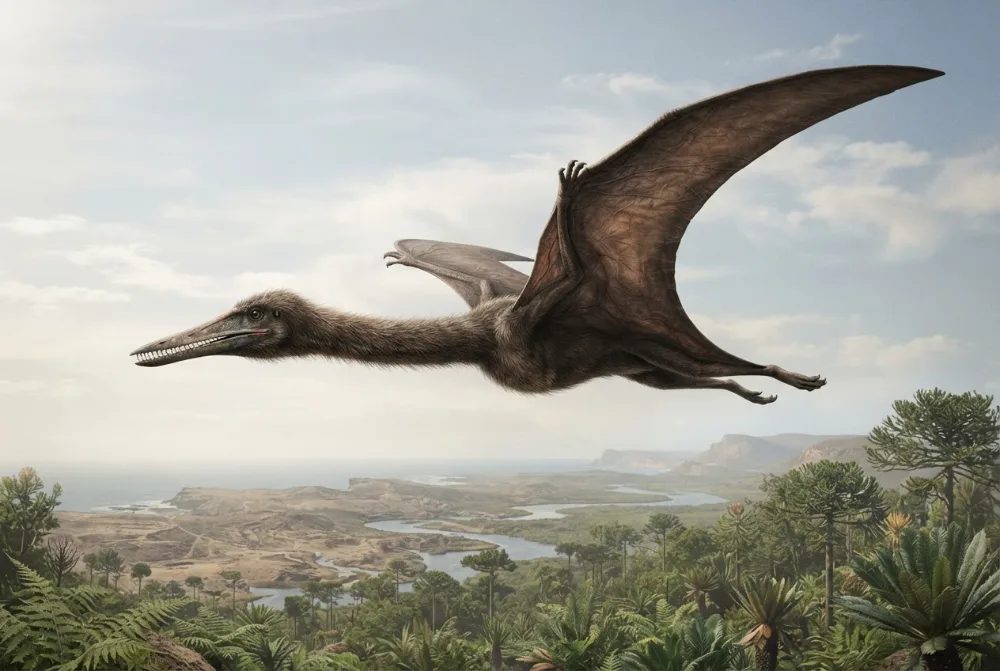
Phosphatodraco was a flying reptile that lived right at the end of the Age of Dinosaurs. It had a long, stiff neck and probably hunted for fish or small animals on land. This pterosaur is one of the last known flying reptiles before the big extinction 66 million years ago.1
Rairarama rini?
Raiva hombe sei?
Mapapiro aro aiva akapamhama zvakadii?
 mapapiro akapamhama semabhasikoro 3 akatevedzana⚽raigona kubhururuka richiyambuka nhandare yose yebhora mumasekonzi 5.5
Phosphatodraco raiva hombe sei kana richienzaniswa NEWE?
Masvomhu chete mubrowser yako. Hapana chinochengetwa kana kutumirwa kupi zvako.
Raimhanya zvakadii?


Zvinonakidza
Phosphatodraco is known from five neck vertebrae and a few other bones, all found together in a phosphate mine.1
It was the first Late Cretaceous pterosaur ever discovered in North Africa.1
Its neck was long and stiff, which may have helped it hunt on land like a stork or ground hornbill.1
Phosphatodraco lived about 66 million years ago, right before the mass extinction that killed off all non-bird dinosaurs and many pterosaurs.1
The fossils were found in a layer of phosphate rock, which is why its name means 'dragon from the phosphates'.1
Scientists think Phosphatodraco was an azhdarchid, a group of pterosaurs that often had very long necks and walked on all fours.1
Mibvunzo inonyanya kubvunzwa nezve Phosphatodraco
?How big was Phosphatodraco?
Its wingspan was about 5 metres (16 feet) according to one interpretation, or about 4 metres (13 feet) according to another. Scientists disagree because the bones are incomplete.1
?What did Phosphatodraco eat?
It probably ate fish, but some scientists think it also hunted small animals on land, like a stork. The debate is still going on.14
?How long was Phosphatodraco's neck?
Its complete neck may have been about 865 millimetres (0.86 metres) long. That is based on the five neck vertebrae that were found.1
Mubvisi wengano
Ngano: Some people think pterosaurs like Phosphatodraco were dinosaurs.
Chokwadi: Pterosaurs were flying reptiles, not dinosaurs. They are a separate group of animals that lived at the same time as dinosaurs.1
Zvevanyanzvi vemadhino
- Zita resainzi
- Phosphatodraco
- Akaripa zita:
- Pereda Suberbiola et al. 20034
- Boka
- Zvinokambaira zvinobhururuka
- Mhuri / boka
- Azhdarchidae4
- Kurongwa kwemhuka
- Pterosauria > Pterodactyloidea > Azhdarchidae4
- Zera rematombo
- makore mamiriyoni 72 kusvika 66 (Maastrichtian)4
- Mapoka ematombo
- Couche III4
- Nyika
- Morocco4
- Zvinyorwa zvemafosiri
- 2 mu The Paleobiology Database4
- Kuwanikwa
- Phosphatodraco was discovered in 2000 by miners in a phosphate quarry in Morocco. It was named and described by paleontologist Xabier Pereda-Suberbiola and colleagues in 2003.1
- Zvichiri kupokanwa
- Scientists still debate whether azhdarchids like Phosphatodraco mainly ate fish from the water or hunted small animals on land.1
Kunobva chokwadi
- Phosphatodraco (en.wikipedia.org)
- A new azhdarchid pterosaur from the Late Cretaceous phosphates of Morocco (exa.ai)
- A new azhdarchid pterosaur from the Late Cretaceous phosphates of Morocco (researchgate.net)
- Phosphatodraco in The Paleobiology Database (CC BY 4.0): zera, nzvimbo, mapoka ematombo, kurongwa kwemhuka.
Chokwadi chega chega papeji ino chine nhamba inoratidza kwachakabva. Kana takakanganisa chimwe chinhu, ruregerero, tiri vanoda madhino, kwete magazini yesainzi. Tiudze pa [email protected] tichazvigadzirisa.
 Rex ane nzara! Dino Wiki ipurojekiti yababa yemwanakomana wavo anoda madhino, mahara, pasina kushambadza uye pasina zvinokutevera. Vakuru vanogona kupa Rex chekudyadya kuti vabatsire kuchengeta saiti iri pamhepo.Fudza Rex
 Pteranodon
 Quetzalcoatlus
 Dorygnathus
 Rhamphorhynchus
 Anhanguera
 Pterodactylus
 Tyrannosaurus
 Triceratops
 Velociraptor
 Spinosaurus
 Ankylosaurus
 Parasaurolophus