 Uri dhino ripi? Kwizi
 Hondo yemadhino
 Mujaho wemadhino
 Mitambo midiki yemadhino
 Arubhamu yemasitika
 Rondedzero dzeTOP dzemadhino
 Ndishamise!
Rairarama rini?

Raiva hombe sei?
Raiva refu zvakadii?
Raiva rakakwirira zvakadii?
fungidziro
Rairema zvakadii?
 kureba semotokari 2 dzakamiswa dzakatevedzana🍌kureba semabhanana 56 akatevedzana
 kurema seimbwa 200🍉kurema semanwiwa 780🎒kurema semakirasi 5 akazara evana vechikoro🐻❄️kurema semabere echando 9🏃raigona kumhanya mamita 100 mumasekonzi 14 (munhu anomhanya kupfuura vose anoda 9.6)
Siats raiva hombe sei kana richienzaniswa NEWE?
Masvomhu chete mubrowser yako. Hapana chinochengetwa kana kutumirwa kupi zvako.
Raimhanya zvakadii?


Zvinonakidza
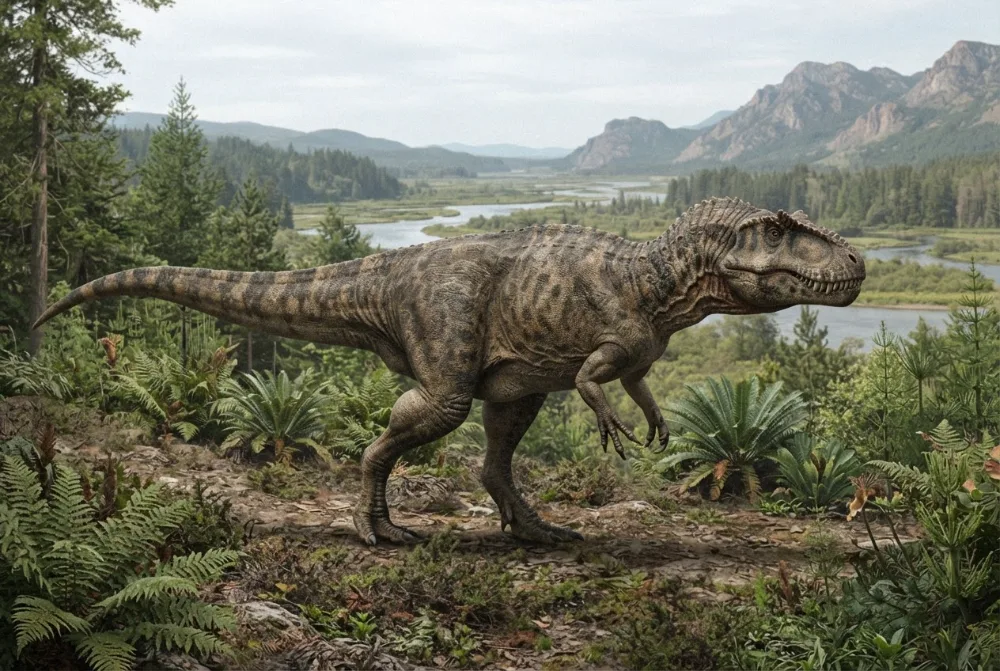
Siats was one of the largest predators in North America during the early Late Cretaceous, weighing about 3.9 metric tons (4.3 short tons).1
The only known Siats skeleton is from a young animal, not a fully grown adult, so it might have been even bigger.12
Siats lived at the same time and place as small tyrannosauroids, and scientists think it may have kept them from growing huge.2
Siats is the first megaraptoran dinosaur ever found in North America.2
The fossil bones were found sticking out of a hillside during a 2008 expedition.1
Mibvunzo inonyanya kubvunzwa nezve Siats
?How big was Siats?
Siats was about 10 metres (33 feet) long and weighed around 3.9 metric tons (4.3 short tons). That is as heavy as two large cars.14
?What did Siats eat?
Siats was a meat-eater that probably hunted plant-eating dinosaurs like Eolambia. It was the top predator of its time.24
?Was Siats bigger than T. rex?
No, Siats was smaller than T. rex. T. rex could be over 12 metres (40 feet) long and weigh more than 8 metric tons, while Siats was about 10 metres (33 feet) long and weighed about 4 metric tons.14
?When did Siats live?
Siats lived about 98 million years ago, during the early Late Cretaceous period. That is about 30 million years before T. rex appeared.12
Zvevanyanzvi vemadhino
- Zita resainzi
- Siats
- Akaripa zita:
- Zanno and Makovicky 20135
- Boka
- Madhino anodya nyama
- Mhuri / boka
- Megaraptora5
- Kurongwa kwemhuka
- Theropoda > Megaraptora5
- Zera rematombo
- makore mamiriyoni 100 kusvika 94 (Cenomanian)5
- Mapoka ematombo
- Cedar Mountain5
- Nyika
- Amerika5
- Zvinyorwa zvemafosiri
- 1 mu The Paleobiology Database5
- Kuwanikwa
- Siats was discovered by Lindsay Zanno during a 2008 Field Museum expedition with Peter Makovicky. The bones were collected from 2008 to 2010 in Utah, and the dinosaur was named in 2013.1
- Zvichiri kupokanwa
- Scientists are not sure exactly where Siats belongs in the dinosaur family tree. Some think it was a megaraptoran, while others suggest it was closer to tyrannosaurs.1
Kunobva chokwadi
- Siats (en.wikipedia.org)
- Neovenatorid theropods are apex predators in the Late Cretaceous of North America | Nature Communications (nature.com)
- Siats (en.wikipedia.org)
- Dominant Dinosaur That Lived Before T. rex Discovered - Field Museum (fieldmuseum.org)
- Siats in The Paleobiology Database (CC BY 4.0): zera, nzvimbo, mapoka ematombo, kurongwa kwemhuka.
Chokwadi chega chega papeji ino chine nhamba inoratidza kwachakabva. Kana takakanganisa chimwe chinhu, ruregerero, tiri vanoda madhino, kwete magazini yesainzi. Tiudze pa [email protected] tichazvigadzirisa.
 Rex ane nzara! Dino Wiki ipurojekiti yababa yemwanakomana wavo anoda madhino, mahara, pasina kushambadza uye pasina zvinokutevera. Vakuru vanogona kupa Rex chekudyadya kuti vabatsire kuchengeta saiti iri pamhepo.Fudza Rex
 Allosaurus
 Carnotaurus
 Dilophosaurus
 Giganotosaurus
 Compsognathus
 Paronychodon
 Tyrannosaurus
 Triceratops
 Velociraptor
 Spinosaurus
 Ankylosaurus
 Parasaurolophus