 O dino efe? Kwisi
 Ntwa ya didino
 Peiso ya didino
 Metshamekwana ya didino
 Alebamo ya disetikara
 Manane a TOP a didino
 Ngakgamatsa!
Concornis
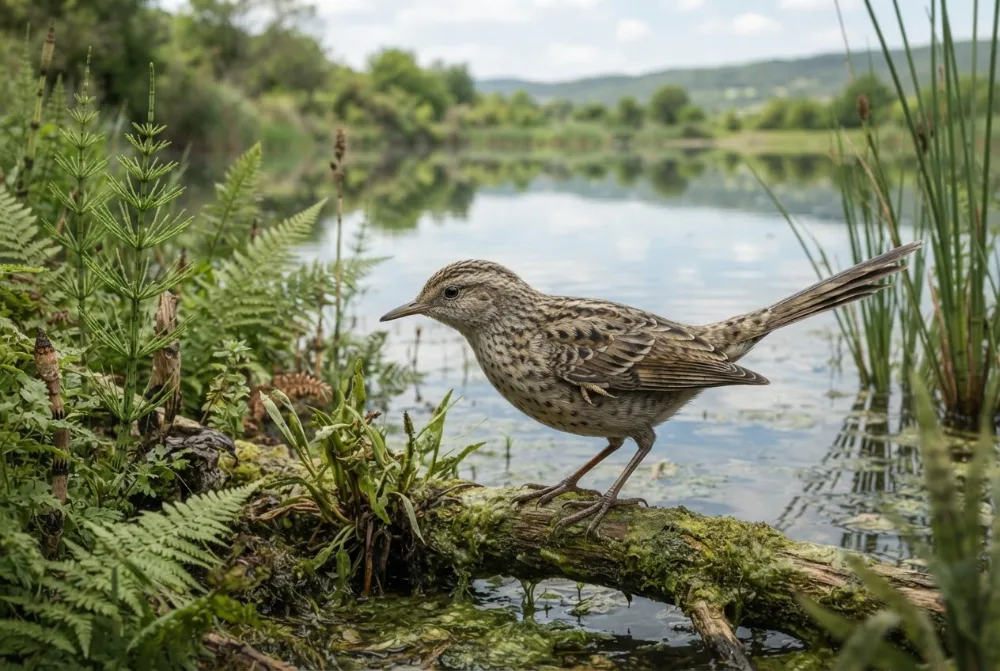
Concornis was a small, ancient bird that lived about 125 million years ago in what is now Spain. It was a great flyer, able to flap its wings fast and even do bounding flight like modern songbirds. It probably ate small insects and crustaceans near the water.23
E tshetse leng?
E ne e le kgolo go le kae?
Diphuka tsa yona di ne di namegile go le kae?
E ne e le bokete go le kae?
Concornis e ne e le kgolo go le kae fa e bapisiwa le WENA?
Ke dipalo fela mo sebatling sa gago. Ga go sepe se se bolokwang kgotsa se se romelwang gope.
E ne e le bonako go le kae?


Dintlha tse di monate
Concornis was about the size of a common starling, with a wingspan of 34 centimeters (13 inches) and a weight of about 70 grams (2.5 ounces).2
It had long legs and a large hallux (back toe), which means it could both perch on branches and walk on the ground, but was not a specialist at either.2
Concornis likely had teeth in its snout instead of a beak, like most other early birds of its group.2
It probably had a long, narrow tail with a single pair of ribbon-like feathers, not a fan of feathers like modern birds.2
A 2018 study found that Concornis could do bounding flight, flapping upward then diving with wings folded, similar to woodpeckers and songbirds today.2
Concornis is the oldest and most complete member of the family Avisauridae, a group of early birds.2
Its fossils were found in an ancient lake environment, so it probably lived like a shorebird, hunting for food along the water's edge.2
Dipotso tse di botswang thata ka ga Concornis
?Is Concornis a dinosaur?
Yes, Concornis is a type of bird that belongs to the dinosaur group. It is an avialan dinosaur, which means it is a very close relative of modern birds.2
?How big was Concornis?
Concornis was about the size of a common starling, with a wingspan of 34 centimeters (13 inches) and a weight of about 70 grams (2.5 ounces).2
?What did Concornis eat?
Concornis probably ate small invertebrates like insects or crustaceans. It lived near water and likely hunted for food along the shore.2
?Did Concornis have teeth?
Yes, Concornis almost certainly had teeth in its snout instead of a beak, like most other early birds of its group.2
Ya baitseanape ba didino
- Leina la saense
- Concornis
- Leina le neilwe ke
- Sanz and Buscalioni 19923
- Setlhopha
- Dinonyane tsa ntlha
- Lelapa / clade
- Enantiornithes3
- Thulaganyo
- Theropoda > Avialae3
- Bogolo jwa matlapa
- 126 go ya go 121 dimilione tsa dingwaga (Barremian)3
- Dibopego tsa matlapa
- La Huérguina3
- Dinaga
- Sepania3
- Direkoto tsa difosili
- 2 mo The Paleobiology Database3
- Go fitlhelwa
- Concornis was named in 1992 by Spanish paleontologists José Luis Sanz and Ángela D. Buscalioni. The only known fossil was found at Las Hoyas, Spain, and is a nearly complete skeleton missing only the skull, neck, and tail tip.23
- Go sa ntse go ganetsanwa
- Scientists are not sure whether Concornis had an alula (a small feathered thumb that helps with slow flight), though it probably did because a related bird, Eoalulavis, had one.2
Kwa dintlha di tswang teng
- palass.org (palass.org)
- Concornis (en.wikipedia.org)
- Concornis in The Paleobiology Database (CC BY 4.0): dingwaga, mafelo, dibopego tsa matlapa, thulaganyo.
Ntlha nngwe le nngwe mo tsebeng eno e na le nomoro e e supang motswedi wa yona. Fa re dirile phoso, maitshwarelo, re barati ba didino, ga re lokwalodikgang lwa saense. Re bolelele kwa [email protected] mme re tla e baakanya.
 Rex o tshwerwe ke tlala! Dino Wiki ke porojeke ya rre e a e diretseng morwawe yo o ratang didino, ke mahala, ga e na dipapatso e bile ga e na dilatedi. Batho ba bagolo ba ka fepa Rex senyamo go thusa gore e nne mo inthaneteng.Fepa Rex
 Archaeopteryx
 Hesperornis
 Ichthyornis
 Baptornis
 Jurapteryx
 Gobipteryx
 Stegosaurus
 Iguanodon
 Giganotosaurus
 Microraptor
 Deinonychus
 Baryonyx