 O dino efe? Kwisi
 Ntwa ya didino
 Peiso ya didino
 Metshamekwana ya didino
 Alebamo ya disetikara
 Manane a TOP a didino
 Ngakgamatsa!
Magnamanus
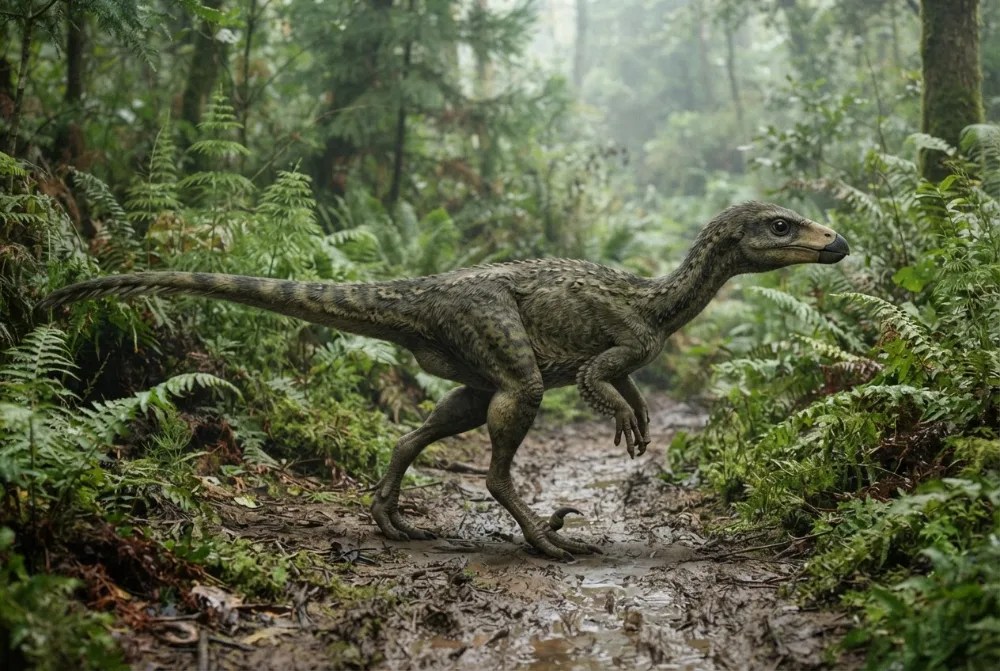
Magnamanus was a big, plant-eating dinosaur that lived in what is now Spain about 130 million years ago. It had huge hands with a thumb spike and a fifth finger, which helped it grab plants. This dinosaur was as long as a bus and weighed as much as a small car.1
E tshetse leng?
E ne e le kgolo go le kae?
E ne e le telele go le kae?
E ne e le kwa godimo go le kae?
kakanyo
E ne e le bokete go le kae?
 telele jaaka dikoloi di le 2 di emisitswe mo moleng🍌telele jaaka dibanana di le 56 di latelana
 bokete jaaka dintšwa di le 150🍉bokete jaaka magapu a le 600🎒bokete jaaka diphaposiborutelo tse di tletseng bana di le 4🐻❄️bokete jaaka dibere tse ditshweu di le 7🏃e ne e ka taboga dimetara di le 100 mo metsotswaneng e le 15 (motho yo o bonako go gaisa o tlhoka 9,6)
Magnamanus e ne e le kgolo go le kae fa e bapisiwa le WENA?
Ke dipalo fela mo sebatling sa gago. Ga go sepe se se bolokwang kgotsa se se romelwang gope.
E ne e le bonako go le kae?


Dintlha tse di monate
Magnamanus had a hand that was very wide, with the wrist making up 70% of the hand's length.1
Its thumb had a sharp spike, similar to the famous Iguanodon, which might have been used for defense or digging.1
The name Magnamanus means 'large hand' in Latin, because its hands were big compared to its body.1
This dinosaur lived during the Early Cretaceous period, about 130 million years ago, in a warm, wet environment with rivers and lakes.1
The skeleton of Magnamanus was found scattered over an area of eight square meters, but all bones belonged to one old adult.1
Magnamanus is a styracosternan, a group of plant-eating dinosaurs that includes Iguanodon and its close relatives.1
Dipotso tse di botswang thata ka ga Magnamanus
?How big was Magnamanus?
Magnamanus was about 9 to 10 metres long and weighed around 3 tonnes, about the size of a bus and as heavy as a large elephant.1
?What did Magnamanus eat?
Magnamanus was a herbivore, meaning it ate plants. It used its big hands and thumb spike to grab and pull plants.1
?Why is it called Magnamanus?
The name Magnamanus means 'large hand' in Latin, because its hands were big compared to its body.1
?Where was Magnamanus found?
Magnamanus was found in the Golmayo Formation near Soria, Spain. Its skeleton was discovered in a marsh area called Zorralbo I.1
Ya baitseanape ba didino
- Leina la saense
- Magnamanus
- Leina le neilwe ke
- Fuentes Vidarte et al. 20162
- Setlhopha
- Dija-dimela tse di nang le melomo
- Lelapa / clade
- Styracosterna2
- Thulaganyo
- Ornithischia > Ornithopoda > Iguanodontia2
- Bogolo jwa matlapa
- 133 go ya go 121 dimilione tsa dingwaga (Hauterivian / Barremian)2
- Dibopego tsa matlapa
- Golmayo2
- Dinaga
- Sepania2
- Direkoto tsa difosili
- 1 mo The Paleobiology Database2
- Go fitlhelwa
- Magnamanus was discovered between 2000 and 2004 by Carolina Fuentes and Manuel Meijide, along with their children, at the Zorralbo I site near Soria, Spain. It was named and described in 2016 by Fuentes Vidarte and colleagues.1
- Go sa ntse go ganetsanwa
- Scientists are still debating exactly where Magnamanus fits on the family tree of iguanodontian dinosaurs, as it has some unique features in its hands and wrists.1
Kwa dintlha di tswang teng
- Magnamanus (en.wikipedia.org)
- Magnamanus in The Paleobiology Database (CC BY 4.0): dingwaga, mafelo, dibopego tsa matlapa, thulaganyo.
Ntlha nngwe le nngwe mo tsebeng eno e na le nomoro e e supang motswedi wa yona. Fa re dirile phoso, maitshwarelo, re barati ba didino, ga re lokwalodikgang lwa saense. Re bolelele kwa [email protected] mme re tla e baakanya.
 Rex o tshwerwe ke tlala! Dino Wiki ke porojeke ya rre e a e diretseng morwawe yo o ratang didino, ke mahala, ga e na dipapatso e bile ga e na dilatedi. Batho ba bagolo ba ka fepa Rex senyamo go thusa gore e nne mo inthaneteng.Fepa Rex
 Iguanodon
 Tenontosaurus
 Thescelosaurus
 Zalmoxes
 Camptosaurus
 Rhabdodon
 Stegosaurus
 Archaeopteryx
 Giganotosaurus
 Microraptor
 Deinonychus
 Baryonyx