 Woyɛ dino bɛn? Nsɛmmisa agoro
 Dino ko
 Dino mmirikatuo
 Dino agodie nketewa
 Stika nwoma
 Dino TOP nhyehyɛeɛ
 Ma me nwanwa!
Anabisetia
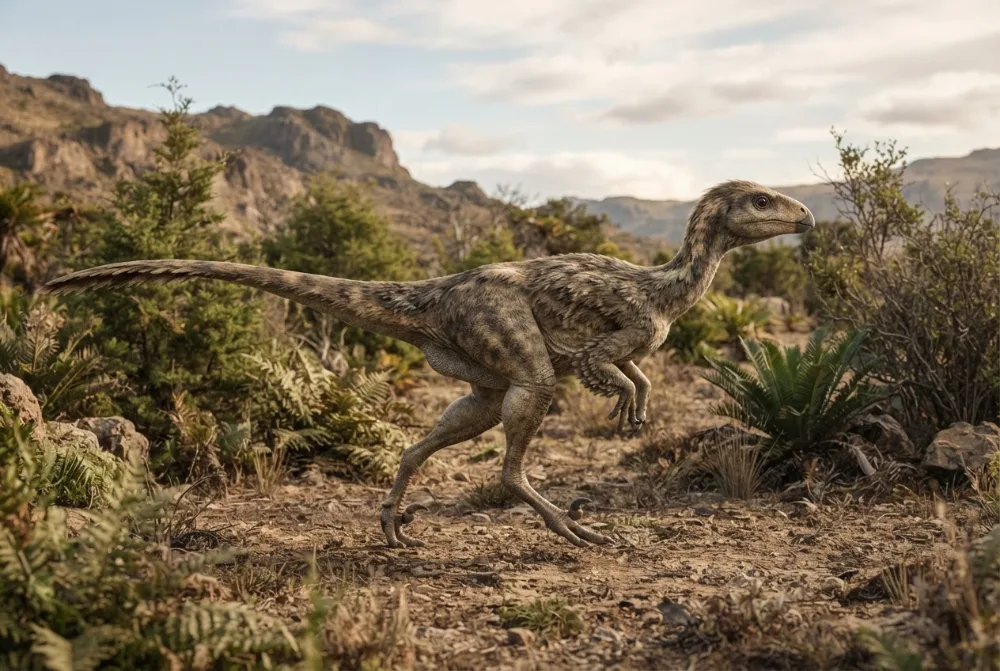
Anabisetia was a small, plant-eating dinosaur that walked on two legs. It lived in what is now Argentina, about 95 to 92 million years ago, during the Late Cretaceous Period.1
Berɛ bɛn na ɛtenaa ase?
Na ne kɛseɛ yɛ sɛn?
Na ne tenten yɛ sɛn?
Na ne korɔn yɛ sɛn?
Na ne mu yɛ duru sɛn?
 ne tenten te sɛ fie agyinamoa 4 firi hwene kɔsi dua🍌ne tenten te sɛ kwadu 11 a wɔde abɔ toatoa so🍉ne mu duru te sɛ watamɛlɔn 4🏃anka ɔbɛtumi atu mmirika mita 100 wɔ sikɛn 9.2 mu (onipa a ɔyɛ ntɛm sen biara hia 9.6)
Anabisetia kɛseɛ yɛ sɛn sɛ wode toto WO ho a?
Akontaa nko ara wɔ wo browser mu. Yɛnkora biribiara so, na yɛmmfa biribiara nkɔ baabiara.
Na ɛyɛ ntɛm sɛn?


Nsɛm a ɛyɛ anigye
Anabisetia is known from four specimens, and together they show almost the whole skeleton except for the skull.1
The shoulder blade of Anabisetia had an extension called the acromial process that was the largest ever found in its group, the Euornithopoda.1
In its hand, the fifth metacarpal bone was flattened with straight edges, instead of being rounded like in most other dinosaurs.1
The hip bone, or ilium, had a front blade that made up more than half of the total ilium length and extended in front of the prepubis.1
At the back of the head, the connection with the neck, called the occipital condyle, pointed downwards.1
The fossils were found in rocks of the Cerro Lisandro Formation, which preserve a swamp that existed from about 95 to 92 million years ago.1
Nsɛm a wɔbisa bebree fa Anabisetia ho
?How big was Anabisetia?
About 2 metres (6.6 feet) long and weighed around 20 kilograms (44 pounds).1
?What did Anabisetia eat?
It was a plant-eater, or herbivore, with teeth specialized for grinding vegetation.1
?When did Anabisetia live?
It lived about 95 to 92 million years ago, during the Late Cretaceous Period.1
?Where was Anabisetia found?
Its fossils were found in the Neuquén Province of Argentina, in South America.1
Ma dino ho animdefoɔ
- Nyansahu din
- Anabisetia
- Obi a ɔtoo din
- Coria and Calvo 20024
- Kuo
- Ahabandifoɔ a wɔwɔ anomaa ano
- Abusua / kuo kɛseɛ
- Elasmaria4
- Nkyekyɛmu
- Ornithischia > Ornithopoda > Iguanodontia4
- Abotan no mfeɛ
- mfeɛ ɔpepem 94 kɔsi 90 (Turonian)4
- Abotan nhyehyɛeɛ
- Cerro Lisandro4
- Aman
- Argentina4
- Fɔsil nkyerɛwee
- 2 wɔ The Paleobiology Database mu4
- Nhunumu
- The fossils were discovered in 1985 by a local farmer named Roberto Saldivia Blanco, who brought them to scientists in 1993. Argentine paleontologists Rodolfo Coria and Jorge Orlando Calvo named Anabisetia in 2002.1
- Wɔda so gye ho akyinnye
- Scientists are not sure exactly where Anabisetia fits in the dinosaur family tree. It may be closely related to Gasparinisaura, but the lack of skull material makes it hard to place with precision.1
Baabi a nsɛm no firi
- Anabisetia (en.wikipedia.org)
- Dinosaurios del Neuquén - Dinosaurios del Neuquén – Anabisetia saldiviai → Más Neuquén (masneuquen.com)
- Anabisetia | Part of the Ornithopod Family of Dinosaurs (dinosaurmadness.com)
- Anabisetia in The Paleobiology Database (CC BY 4.0): mfeɛ, mmeaeɛ, abotan nhyehyɛeɛ, nkyekyɛmu.
Asɛm biara a ɛwɔ krataafa yi so wɔ nɔma a ɛkyerɛ baabi a ɛfiri. Sɛ yɛfom biribi a, kafra, yɛyɛ dino dɔfoɔ, yɛnyɛ nyansahu nsɛmma krataa. Ka kyerɛ yɛn wɔ [email protected] na yɛbɛsiesie.
 Ɔkɔm de Rex! Dino Wiki yɛ agya bi adwuma a ɔyɛɛ maa ne babarima a ɔdɔ dino. Ɛyɛ kwa, dawurubɔ biara nni mu, akyidifoɔ biara nni mu. Mpanimfoɔ bɛtumi ama Rex aduane kakra, na aboa ama Dino Wiki atena intanɛt so.Ma Rex aduane
 Iguanodon
 Tenontosaurus
 Thescelosaurus
 Zalmoxes
 Camptosaurus
 Rhabdodon
 Tyrannosaurus
 Triceratops
 Velociraptor
 Spinosaurus
 Ankylosaurus
 Parasaurolophus