 Woyɛ dino bɛn? Nsɛmmisa agoro
 Dino ko
 Dino mmirikatuo
 Dino agodie nketewa
 Stika nwoma
 Dino TOP nhyehyɛeɛ
 Ma me nwanwa!
Berɛ bɛn na ɛtenaa ase?

Na ne kɛseɛ yɛ sɛn?
Na ne tenten yɛ sɛn?
Na ne korɔn yɛ sɛn?
nsusuiɛ
Na ne mu yɛ duru sɛn?

 ne tenten te sɛ fie agyinamoa 4 firi hwene kɔsi dua🍌ne tenten te sɛ kwadu 11 a wɔde abɔ toatoa so🍉ne mu duru te sɛ watamɛlɔn 36🧸ne mu duru te sɛ nkɔkɔaa sukuu mmofra 9🎒ne mu duru te sɛ sukuu mmofra 6🏃anka ɔbɛtumi atu mmirika mita 100 wɔ sikɛn 7.7 mu (onipa a ɔyɛ ntɛm sen biara hia 9.6)
Apatoraptor kɛseɛ yɛ sɛn sɛ wode toto WO ho a?
Akontaa nko ara wɔ wo browser mu. Yɛnkora biribiara so, na yɛmmfa biribiara nkɔ baabiara.
Na ɛyɛ ntɛm sɛn?


Nsɛm a ɛyɛ anigye
Apatoraptor had no teeth. Its beak was toothless, like a bird's.2
Its name means 'deceptive thief' because its skeleton was mistaken for a different kind of dinosaur for many years.1
The fossil was found in 1993 but sat on a shelf for 15 years before scientists realized it was something new.1
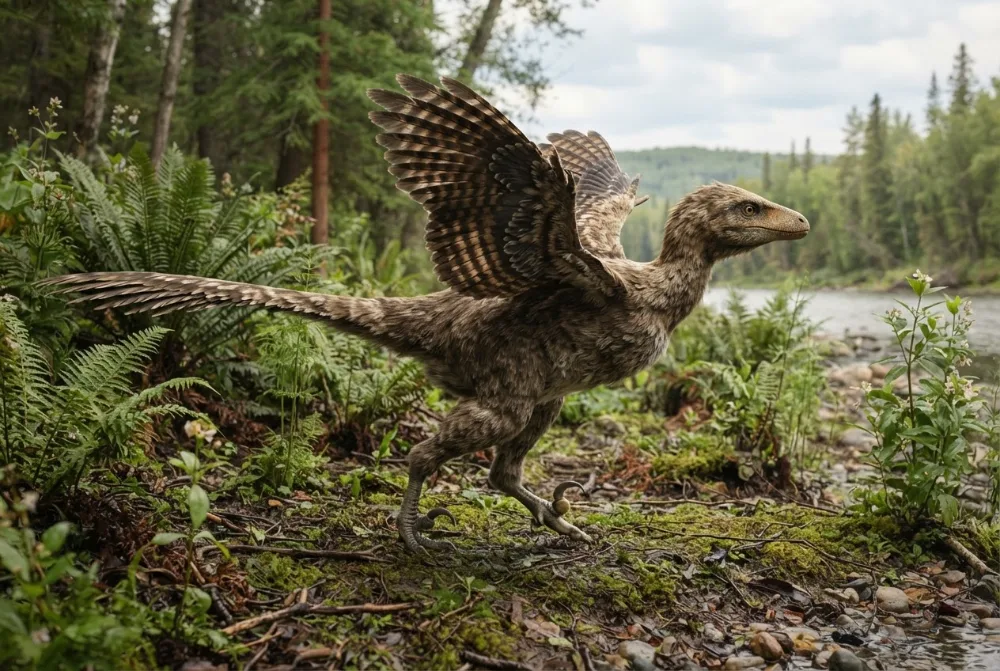
Apatoraptor had pits on its arm bones that show it had feathers on its wings. These wings were probably used for display, not flight.1
It is one of the most complete caenagnathid skeletons ever found in Alberta, with many bones still in their original positions.1
Apatoraptor lived during the Maastrichtian age, about 72 to 66 million years ago.4
Its neck was long and made of at least 11 vertebrae, and its ribs had finger-like extensions called uncinate processes.2
Nsɛm a wɔbisa bebree fa Apatoraptor ho
?How big was Apatoraptor?
It was about 2 metres long and weighed around 180 kilograms, which is larger than a human.3
?Could Apatoraptor fly?
No. It had long wings covered in feathers, but it was too heavy to fly. It used its wings for display instead.3
?When did Apatoraptor live?
It lived about 70 million years ago, during the Campanian age of the Late Cretaceous, in what is now Alberta, Canada.3
Atosɛm sɛefoɔ
Atosɛm: Apatoraptor could fly because it had feathered wings.
Nokorɛ: Apatoraptor had wings with feathers, but they were too small and weak for flight. They were probably used to show off to other dinosaurs.1
Ma dino ho animdefoɔ
- Nyansahu din
- Apatoraptor
- Obi a ɔtoo din
- Funston and Currie 20164
- Kuo
- Dino nwonwa a wɔwɔ ntakra
- Abusua / kuo kɛseɛ
- Caenagnathidae4
- Nkyekyɛmu
- Theropoda > Oviraptorosauria4
- Abotan no mfeɛ
- mfeɛ ɔpepem 72 kɔsi 66 (Maastrichtian)4
- Abotan nhyehyɛeɛ
- Horseshoe Canyon4
- Aman
- Kanada4
- Fɔsil nkyerɛwee
- 1 wɔ The Paleobiology Database mu4
- Nhunumu
- Apatoraptor was named in 2016 by Gregory Funston and Philip Currie. The skeleton was found in 1993 in Alberta, Canada, but was mistaken for a different dinosaur until it was prepared years later.41
- Wɔda so gye ho akyinnye
- Scientists are still debating exactly how Apatoraptor and other caenagnathids are related to each other. This skeleton helped clear up some of those relationships.2
Baabi a nsɛm no firi
- Deceptive feathered dinosaur finally gets a name (ualberta.ca)
- tandfonline.com (tandfonline.com)
- Newly identified Alberta dinosaur had arm muscles fit to lift feathers | CBC News (cbc.ca)
- Apatoraptor in The Paleobiology Database (CC BY 4.0): mfeɛ, mmeaeɛ, abotan nhyehyɛeɛ, nkyekyɛmu.
Asɛm biara a ɛwɔ krataafa yi so wɔ nɔma a ɛkyerɛ baabi a ɛfiri. Sɛ yɛfom biribi a, kafra, yɛyɛ dino dɔfoɔ, yɛnyɛ nyansahu nsɛmma krataa. Ka kyerɛ yɛn wɔ [email protected] na yɛbɛsiesie.
 Ɔkɔm de Rex! Dino Wiki yɛ agya bi adwuma a ɔyɛɛ maa ne babarima a ɔdɔ dino. Ɛyɛ kwa, dawurubɔ biara nni mu, akyidifoɔ biara nni mu. Mpanimfoɔ bɛtumi ama Rex aduane kakra, na aboa ama Dino Wiki atena intanɛt so.Ma Rex aduane
 Therizinosaurus
 Oviraptor
 Chirostenotes
 Citipes
 Leptorhynchos
 Avimimus
 Tyrannosaurus
 Triceratops
 Velociraptor
 Spinosaurus
 Ankylosaurus
 Parasaurolophus