 Woyɛ dino bɛn? Nsɛmmisa agoro
 Dino ko
 Dino mmirikatuo
 Dino agodie nketewa
 Stika nwoma
 Dino TOP nhyehyɛeɛ
 Ma me nwanwa!
Calvarius
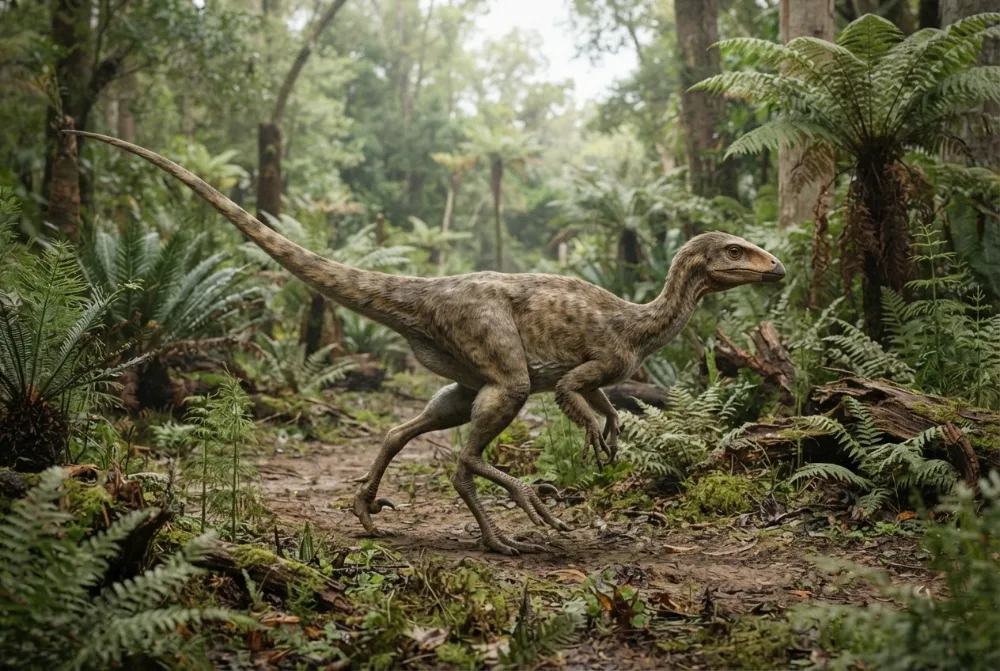
Calvarius was a small, speedy plant-eating dinosaur that lived near the very end of the Age of Dinosaurs. It was one of the last dinosaurs to walk on Earth before the big asteroid hit.2
Berɛ bɛn na ɛtenaa ase?
Na ne kɛseɛ yɛ sɛn?
Na ne tenten yɛ sɛn?
Na ne korɔn yɛ sɛn?
nsusuiɛ
 ne tenten te sɛ fie agyinamoa 4 firi hwene kɔsi dua🍌ne tenten te sɛ kwadu 11 a wɔde abɔ toatoa so🏃anka ɔbɛtumi atu mmirika mita 100 wɔ sikɛn 8.8 mu (onipa a ɔyɛ ntɛm sen biara hia 9.6)
Calvarius kɛseɛ yɛ sɛn sɛ wode toto WO ho a?
Akontaa nko ara wɔ wo browser mu. Yɛnkora biribiara so, na yɛmmfa biribiara nkɔ baabiara.
Na ɛyɛ ntɛm sɛn?


Nsɛm a ɛyɛ anigye
Calvarius is known from just one foot bone, a left metatarsal IV, which was about 15 centimeters long.2
It was probably a fast runner. Its long foot bone and light build suggest it could sprint quickly, unlike most other styracostern dinosaurs.1
Calvarius lived on a large island called Ibero-Armorica, which is now northern Spain and southern France. On islands, animals sometimes evolve to be smaller because food is limited.2
It was one of the last dinosaurs ever. Its fossils were found just 25 meters below the layer that marks the asteroid impact that killed the non-bird dinosaurs.1
The fossil was discovered in 2019 by paleontologists from the Institut Català de Paleontologia Miquel Crusafont and the Museu de la Conca Dellà.2
Calvarius is the smallest known styracostern dinosaur. Some of its relatives grew over 10 meters long, but Calvarius was less than 2 meters.2
Nsɛm a wɔbisa bebree fa Calvarius ho
?How big was Calvarius?
Calvarius was no more than 2 metres (6.6 feet) long, making it one of the smallest known styracostern dinosaurs.2
?What did Calvarius eat?
Calvarius was a plant-eater. It was an ornithopod, a group of herbivorous dinosaurs.2
?When did Calvarius live?
Calvarius lived about 66 million years ago, right at the end of the Cretaceous period. It was one of the last dinosaurs before the asteroid hit.2
Ma dino ho animdefoɔ
- Nyansahu din
- Calvarius
- Obi a ɔtoo din
- Prieto-Márquez and Sellés 20233
- Kuo
- Ahabandifoɔ a wɔwɔ anomaa ano
- Abusua / kuo kɛseɛ
- Styracosterna3
- Nkyekyɛmu
- Ornithischia > Ornithopoda > Iguanodontia3
- Abotan no mfeɛ
- mfeɛ ɔpepem 72 kɔsi 66 (Maastrichtian)3
- Abotan nhyehyɛeɛ
- Talarn3
- Aman
- Spania3
- Fɔsil nkyerɛwee
- 1 wɔ The Paleobiology Database mu3
- Nhunumu
- The fossil was found in 2019 at the Masia de Ramón site in Spain by a team from the MCD and ICP. Albert Prieto-Márquez and Albert Sellés named it Calvarius rapidus in 2023.23
- Wɔda so gye ho akyinnye
- Scientists are not sure exactly how big Calvarius was because only one foot bone has been found. They estimate it was less than 2 meters long, but it could have been different.2
Baabi a nsɛm no firi
- Evolutionary convergence in a small cursorial styracosternan ornithopod dinosaur from western Europe (dinodata.de)
- Calvarius rapidus, the new dinosaur species that almost saw the asteroid falling (icp.cat)
- Calvarius in The Paleobiology Database (CC BY 4.0): mfeɛ, mmeaeɛ, abotan nhyehyɛeɛ, nkyekyɛmu.
Asɛm biara a ɛwɔ krataafa yi so wɔ nɔma a ɛkyerɛ baabi a ɛfiri. Sɛ yɛfom biribi a, kafra, yɛyɛ dino dɔfoɔ, yɛnyɛ nyansahu nsɛmma krataa. Ka kyerɛ yɛn wɔ [email protected] na yɛbɛsiesie.
 Ɔkɔm de Rex! Dino Wiki yɛ agya bi adwuma a ɔyɛɛ maa ne babarima a ɔdɔ dino. Ɛyɛ kwa, dawurubɔ biara nni mu, akyidifoɔ biara nni mu. Mpanimfoɔ bɛtumi ama Rex aduane kakra, na aboa ama Dino Wiki atena intanɛt so.Ma Rex aduane
 Iguanodon
 Tenontosaurus
 Thescelosaurus
 Zalmoxes
 Camptosaurus
 Rhabdodon
 Tyrannosaurus
 Triceratops
 Velociraptor
 Spinosaurus
 Ankylosaurus
 Parasaurolophus