 Woyɛ dino bɛn? Nsɛmmisa agoro
 Dino ko
 Dino mmirikatuo
 Dino agodie nketewa
 Stika nwoma
 Dino TOP nhyehyɛeɛ
 Ma me nwanwa!
Camarasaurus
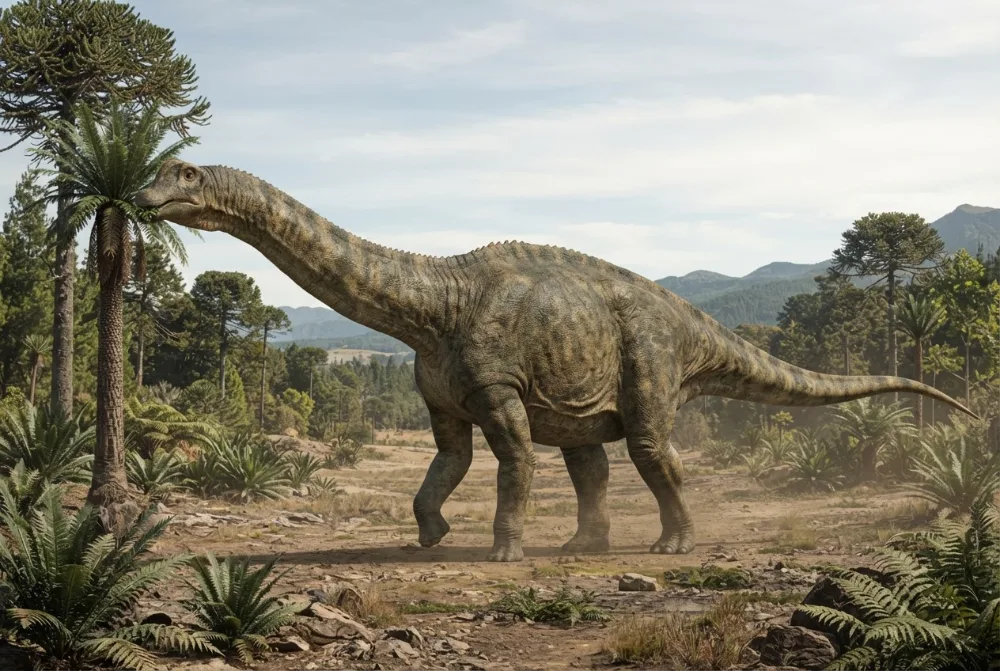
Camarasaurus was a giant, long-necked plant-eater that lived in North America during the Late Jurassic. It had a bulky body, a wide ribcage, and a surprisingly large skull for a sauropod. More than 530 fossils have been found, making it the most common dinosaur in the Morrison Formation.1
Berɛ bɛn na ɛtenaa ase?
Na ne kɛseɛ yɛ sɛn?
Na ne tenten yɛ sɛn?
Na ne korɔn yɛ sɛn?
Na ne mu yɛ duru sɛn?

 ne tenten te sɛ kaa 5 a wɔde agyina toatoa so🍌ne tenten te sɛ kwadu 130 a wɔde abɔ toatoa so🍉ne mu duru te sɛ watamɛlɔn 10000🎒ne mu duru te sɛ sukuu klaas mũ 62 mu mmofra🐻❄️ne mu duru te sɛ polar bea 110🏢ne korɔn bɛtumi ahwɛ mfɛnsere mu wɔ abansoro 2 so🏃anka ɔbɛtumi atu mmirika mita 100 wɔ sikɛn 36 mu (onipa a ɔyɛ ntɛm sen biara hia 9.6)
Camarasaurus kɛseɛ yɛ sɛn sɛ wode toto WO ho a?
Akontaa nko ara wɔ wo browser mu. Yɛnkora biribiara so, na yɛmmfa biribiara nkɔ baabiara.
Na ɛyɛ ntɛm sɛn?


Nsɛm a ɛyɛ anigye
Camarasaurus means 'chambered lizard' because its backbone had hollow chambers, which helped lighten its skeleton.1
It had a relatively short neck and tail compared to other sauropods, and its front legs were longer than its back legs, making its shoulders higher than its hips.1
More than 530 specimens have been found, including several nearly complete skeletons, so scientists know a lot about this dinosaur.1
Camarasaurus lived alongside other famous dinosaurs like Diplodocus, Stegosaurus, and Allosaurus in the Morrison Formation.1
Its teeth had microscopic pits and scratches that show adults ate tough, coarse plants, while juveniles ate softer food.1
A nearly complete skeleton of a young Camarasaurus (CM 11338) was found with its neck curved upward, but that pose may have happened after death, not when it was alive.1
Atosɛm sɛefoɔ
Atosɛm: Camarasaurus could hold its neck straight up like a giraffe.
Nokorɛ: Scientists think its neck was held more horizontally or with a slight downward slope, not vertical like a swan.1
Ma dino ho animdefoɔ
- Nyansahu din
- Camarasaurus
- Obi a ɔtoo din
- Cope 18772
- Kuo
- Kɔn tenten
- Abusua / kuo kɛseɛ
- Camarasauridae2
- Nkyekyɛmu
- Sauropodomorpha > Sauropoda > Macronaria2
- Abotan no mfeɛ
- mfeɛ ɔpepem 162 kɔsi 143 (Oxfordian / Tithonian)2
- Abotan nhyehyɛeɛ
- Morrison, Kadzi, Süntel2
- Aman
- Amerika, Zimbabwe, Gyaaman2
- Fɔsil nkyerɛwee
- 138 wɔ The Paleobiology Database mu2
- Wɔsan frɛ no
- Cathetosaurus, Caulodon, Uintasaurus (din dada no nso, yɛkan no sɛ aboa korɔ no ara)2
- Nhunumu
- Camarasaurus was named in 1877 by Edward Drinker Cope, based on fossils from Garden Park, Colorado. Soon after, his rival Othniel Charles Marsh named similar fossils Morosaurus, but those are now considered the same genus.1
- Wɔda so gye ho akyinnye
- Scientists still debate exactly how Camarasaurus held its neck and whether it could rear up on its hind legs to reach high plants.1
Baabi a nsɛm no firi
- Camarasaurus (en.wikipedia.org)
- Camarasaurus in The Paleobiology Database (CC BY 4.0): mfeɛ, mmeaeɛ, abotan nhyehyɛeɛ, nkyekyɛmu.
Asɛm biara a ɛwɔ krataafa yi so wɔ nɔma a ɛkyerɛ baabi a ɛfiri. Sɛ yɛfom biribi a, kafra, yɛyɛ dino dɔfoɔ, yɛnyɛ nyansahu nsɛmma krataa. Ka kyerɛ yɛn wɔ [email protected] na yɛbɛsiesie.
 Ɔkɔm de Rex! Dino Wiki yɛ agya bi adwuma a ɔyɛɛ maa ne babarima a ɔdɔ dino. Ɛyɛ kwa, dawurubɔ biara nni mu, akyidifoɔ biara nni mu. Mpanimfoɔ bɛtumi ama Rex aduane kakra, na aboa ama Dino Wiki atena intanɛt so.Ma Rex aduane
 Brachiosaurus
 Diplodocus
 Brontosaurus
 Argentinosaurus
 Morosaurus
 Massospondylus
 Allosaurus
 Compsognathus
 Camptosaurus
 Nanosaurus
 Rhamphorhynchus
 Ceratosaurus