 Woyɛ dino bɛn? Nsɛmmisa agoro
 Dino ko
 Dino mmirikatuo
 Dino agodie nketewa
 Stika nwoma
 Dino TOP nhyehyɛeɛ
 Ma me nwanwa!
Berɛ bɛn na ɛtenaa ase?

Na ne kɛseɛ yɛ sɛn?
Na ne tenten yɛ sɛn?
Na ne korɔn yɛ sɛn?
nsusuiɛ
Na ne mu yɛ duru sɛn?
 ne tenten te sɛ nkraman 3 firi hwene kɔsi dua🍌ne tenten te sɛ kwadu 16 a wɔde abɔ toatoa so🍉ne mu duru te sɛ watamɛlɔn 22🧸ne mu duru te sɛ nkɔkɔaa sukuu mmofra 6🎒ne mu duru te sɛ sukuu mmofra 3🏃anka ɔbɛtumi atu mmirika mita 100 wɔ sikɛn 7.5 mu (onipa a ɔyɛ ntɛm sen biara hia 9.6)
Citipati kɛseɛ yɛ sɛn sɛ wode toto WO ho a?
Akontaa nko ara wɔ wo browser mu. Yɛnkora biribiara so, na yɛmmfa biribiara nkɔ baabiara.
Na ɛyɛ ntɛm sɛn?


Nsɛm a ɛyɛ anigye
Citipati means 'funeral pyre lord' in Sanskrit, named after a skeleton-like spirit in Tibetan folklore.1
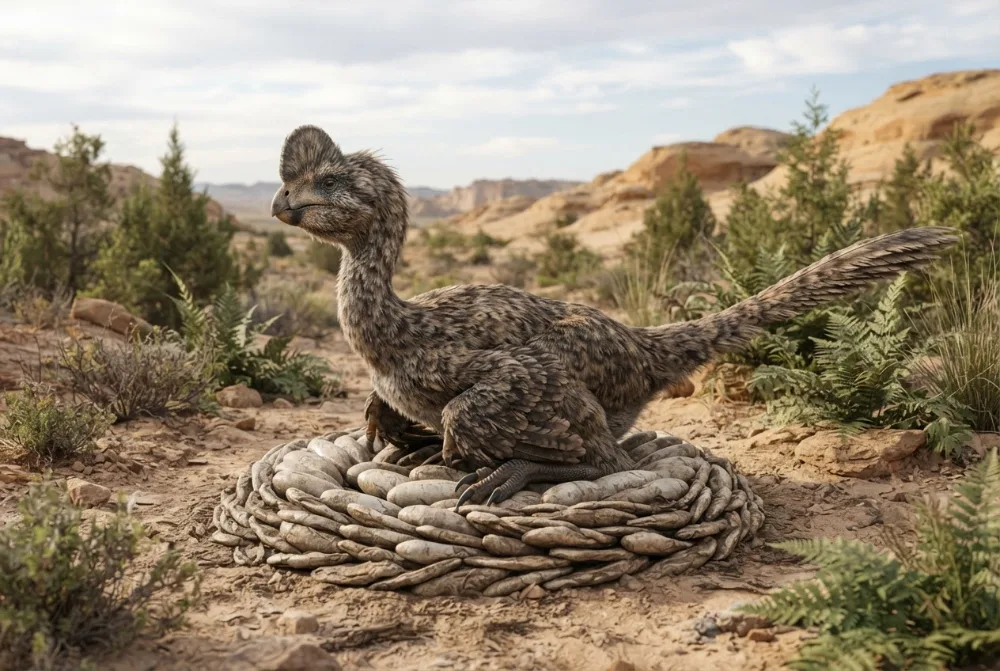
One famous Citipati fossil is nicknamed 'Big Mama' because it was found sitting on a nest of eggs.1
Citipati had a pygostyle, a fused tailbone that supported a fan of feathers, just like modern birds.1
Its arms and tail were covered in long feathers that probably helped shade and protect its eggs and babies.1
Citipati was one of the largest oviraptorids, about the size of an emu, and weighed as much as a large dog.1
Scientists think Citipati may have brought small dinosaurs to its nest to feed its hatchlings.1
Nsɛm a wɔbisa bebree fa Citipati ho
?How big was Citipati?
Citipati was about 2.5 to 2.9 metres long and weighed 75 to 110 kilograms. That is much larger than an emu.1
?What did Citipati eat?
Citipati was probably omnivorous, meaning it ate both plants and meat. Scientists think it may have brought small dinosaurs to its nest to feed its babies.12
?Did Citipati have feathers?
Yes, Citipati had long feathers on its arms and tail. These feathers probably helped protect its eggs and babies from sun, wind, and rain.1
?Why did Citipati sit on its eggs?
Citipati sat on its eggs to keep them warm and safe, just like birds do today. Its arms spread over the nest helped shade and protect the eggs.13
Atosɛm sɛefoɔ
Atosɛm: Oviraptorids like Citipati were egg thieves.
Nokorɛ: The name Oviraptor means 'egg thief', but fossils show Citipati was a caring parent that brooded its own eggs, not a robber.1
Ma dino ho animdefoɔ
- Nyansahu din
- Citipati
- Obi a ɔtoo din
- Clark et al. 20014
- Kuo
- Dino nwonwa a wɔwɔ ntakra
- Abusua / kuo kɛseɛ
- Oviraptoridae4
- Nkyekyɛmu
- Theropoda > Oviraptorosauria4
- Abotan no mfeɛ
- mfeɛ ɔpepem 84 kɔsi 72 (Campanian)4
- Abotan nhyehyɛeɛ
- Djadokhta4
- Aman
- Mongolia4
- Fɔsil nkyerɛwee
- 2 wɔ The Paleobiology Database mu4
- Nhunumu
- Citipati was named in 2001 by paleontologists James Clark, Mark Norell, and Rinchen Barsbold. The first fossils were found in the 1990s at Ukhaa Tolgod in Mongolia.12
- Wɔda so gye ho akyinnye
- Scientists are not sure if Citipati was mostly a plant-eater or an omnivore that also ate meat.1
Baabi a nsɛm no firi
- Citipati (en.wikipedia.org)
- Citipati | Natural History Museum (nhm.ac.uk)
- Citipati Osmolskae: Get to Know a Dino | AMNH (amnh.org)
- Citipati in The Paleobiology Database (CC BY 4.0): mfeɛ, mmeaeɛ, abotan nhyehyɛeɛ, nkyekyɛmu.
Asɛm biara a ɛwɔ krataafa yi so wɔ nɔma a ɛkyerɛ baabi a ɛfiri. Sɛ yɛfom biribi a, kafra, yɛyɛ dino dɔfoɔ, yɛnyɛ nyansahu nsɛmma krataa. Ka kyerɛ yɛn wɔ [email protected] na yɛbɛsiesie.
 Ɔkɔm de Rex! Dino Wiki yɛ agya bi adwuma a ɔyɛɛ maa ne babarima a ɔdɔ dino. Ɛyɛ kwa, dawurubɔ biara nni mu, akyidifoɔ biara nni mu. Mpanimfoɔ bɛtumi ama Rex aduane kakra, na aboa ama Dino Wiki atena intanɛt so.Ma Rex aduane
 Therizinosaurus
 Oviraptor
 Chirostenotes
 Citipes
 Leptorhynchos
 Avimimus
 Tyrannosaurus
 Triceratops
 Velociraptor
 Spinosaurus
 Ankylosaurus
 Parasaurolophus