 Woyɛ dino bɛn? Nsɛmmisa agoro
 Dino ko
 Dino mmirikatuo
 Dino agodie nketewa
 Stika nwoma
 Dino TOP nhyehyɛeɛ
 Ma me nwanwa!
Berɛ bɛn na ɛtenaa ase?

Na ne kɛseɛ yɛ sɛn?
Na ne tenten yɛ sɛn?
Na ne korɔn yɛ sɛn?
Na ne mu yɛ duru sɛn?
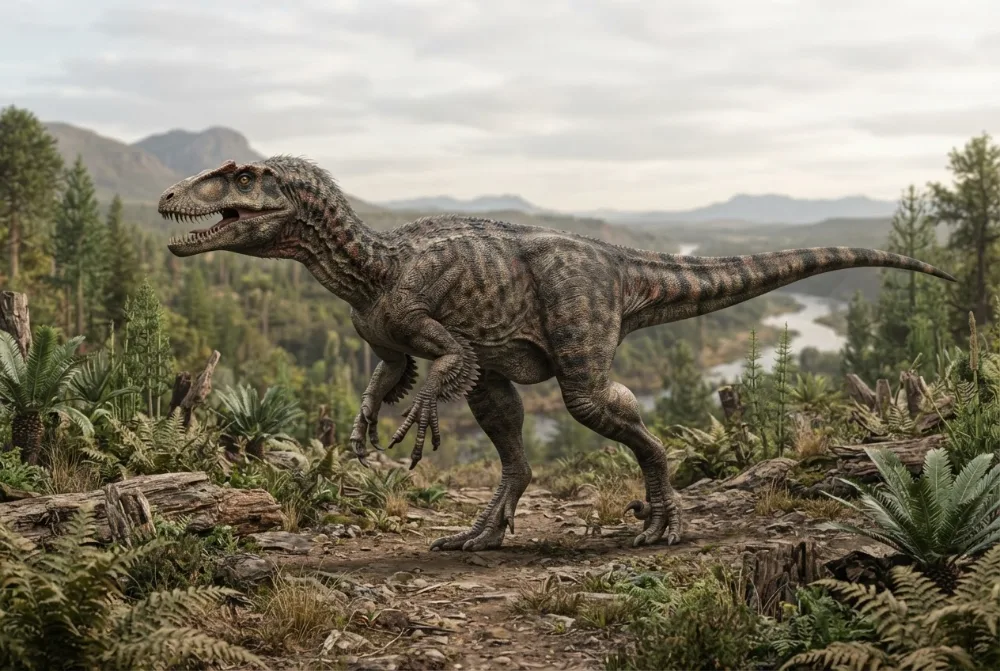
 ne tenten te sɛ nkraman 6 firi hwene kɔsi dua🍌ne tenten te sɛ kwadu 36 a wɔde abɔ toatoa so🍉ne mu duru te sɛ watamɛlɔn 50🧸ne mu duru te sɛ nkɔkɔaa sukuu mmofra 13🎒ne mu duru te sɛ sukuu mmofra 8🏃anka ɔbɛtumi atu mmirika mita 100 wɔ sikɛn 7.7 mu (onipa a ɔyɛ ntɛm sen biara hia 9.6)
Dracovenator kɛseɛ yɛ sɛn sɛ wode toto WO ho a?
Akontaa nko ara wɔ wo browser mu. Yɛnkora biribiara so, na yɛmmfa biribiara nkɔ baabiara.
Na ɛyɛ ntɛm sɛn?


Nsɛm a ɛyɛ anigye
Dracovenator had a kink in its upper jaw, between the maxilla and the premaxilla, similar to Dilophosaurus.1
The back of its lower jaw had lumps and bumps, a feature also seen in Dilophosaurus but smaller.1
The only fossils found so far are a partial skull and some jaw bones. The original skull was lost after being stored at a university.1
Dracovenator lived during the Early Jurassic, about 201 to 199 million years ago.1
Its name comes from the Drakensberg mountains, which means 'Dragon's Mountain' in Dutch.1
The species name regenti honors Regent 'Lucas' Huma, the field assistant who helped discover the fossils.1
Nsɛm a wɔbisa bebree fa Dracovenator ho
?How big was Dracovenator?
About 5.5 to 6.5 metres (18 to 21 feet) long and weighed around 250 kilograms (550 pounds). Some footprints suggest it might have been up to 9 metres (30 feet) long, but that is not certain.1
?What did Dracovenator eat?
It was a meat-eater that hunted big plant-eating dinosaurs like Massospondylus.1
?When did Dracovenator live?
It lived during the Early Jurassic period, about 201 to 199 million years ago.1
?Where was Dracovenator found?
Its fossils were discovered in the Upper Drumbo Farm area of the Eastern Cape Province in South Africa.1
?Is Dracovenator related to Dilophosaurus?
Yes, scientists think Dracovenator was closely related to Dilophosaurus and another dinosaur called Zupaysaurus.1
?Why is it called Dracovenator?
Its name means 'dragon hunter' in Latin, because it was found near the Drakensberg mountains, which are called 'Dragon's Mountain' in Dutch.1
Ma dino ho animdefoɔ
- Nyansahu din
- Dracovenator
- Obi a ɔtoo din
- Yates 20054
- Kuo
- Dino a wɔwe nam
- Abusua / kuo kɛseɛ
- Neotheropoda4
- Nkyekyɛmu
- Theropoda4
- Abotan no mfeɛ
- mfeɛ ɔpepem 201 kɔsi 193 (Hettangian / Sinemurian)4
- Abotan nhyehyɛeɛ
- Elliot4
- Aman
- Afrika Anaafoɔ4
- Fɔsil nkyerɛwee
- 2 wɔ The Paleobiology Database mu4
- Nhunumu
- Dracovenator was named by Adam M. Yates in 2005. The first fossils were found by James Kitching and Regent Huma at Upper Drumbo Farm in South Africa.1
- Wɔda so gye ho akyinnye
- Scientists are not sure exactly how Dracovenator is related to other early theropods. Some studies place it close to Dilophosaurus, but the evidence is not strong.2
Baabi a nsɛm no firi
- Dracovenator (en.wikipedia.org)
- A new theropod dinosaur from the Early Jurassic of South Africa and its implications for the early evolution of theropods (web.archive.org)
- Dracovenator: The Dragon Hunter of Early Jurassic (thedinosaurs.org)
- Dracovenator in The Paleobiology Database (CC BY 4.0): mfeɛ, mmeaeɛ, abotan nhyehyɛeɛ, nkyekyɛmu.
Asɛm biara a ɛwɔ krataafa yi so wɔ nɔma a ɛkyerɛ baabi a ɛfiri. Sɛ yɛfom biribi a, kafra, yɛyɛ dino dɔfoɔ, yɛnyɛ nyansahu nsɛmma krataa. Ka kyerɛ yɛn wɔ [email protected] na yɛbɛsiesie.
 Ɔkɔm de Rex! Dino Wiki yɛ agya bi adwuma a ɔyɛɛ maa ne babarima a ɔdɔ dino. Ɛyɛ kwa, dawurubɔ biara nni mu, akyidifoɔ biara nni mu. Mpanimfoɔ bɛtumi ama Rex aduane kakra, na aboa ama Dino Wiki atena intanɛt so.Ma Rex aduane
 Allosaurus
 Carnotaurus
 Dilophosaurus
 Giganotosaurus
 Compsognathus
 Paronychodon
 Stenopterygius
 Dorygnathus
 Lufengosaurus
 Scutellosaurus
 Yunnanosaurus
 Temnodontosaurus