 Woyɛ dino bɛn? Nsɛmmisa agoro
 Dino ko
 Dino mmirikatuo
 Dino agodie nketewa
 Stika nwoma
 Dino TOP nhyehyɛeɛ
 Ma me nwanwa!
Fona
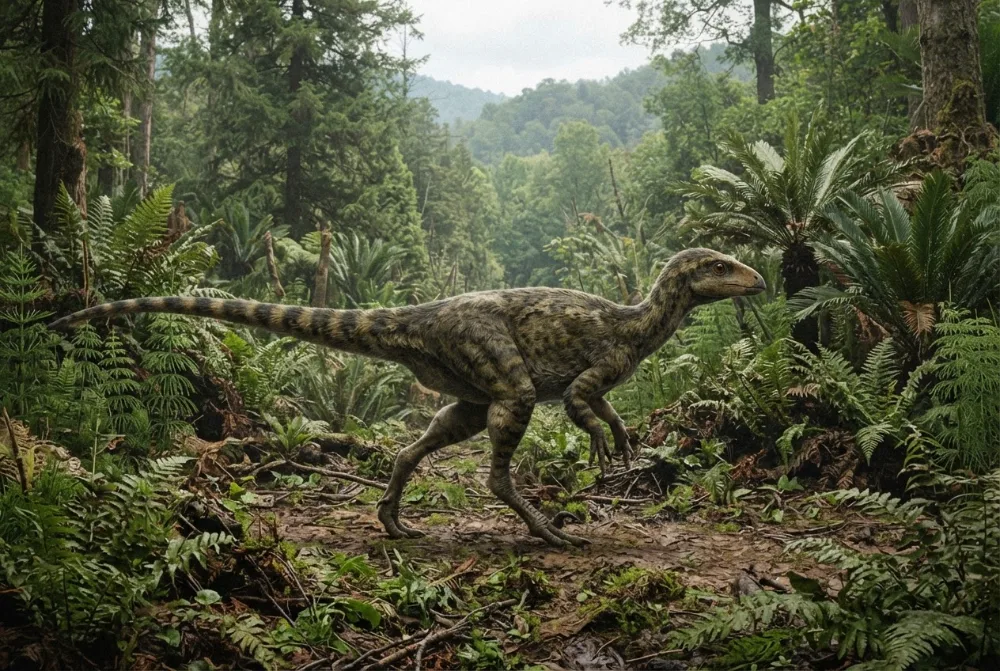
Fona was a small, plant-eating dinosaur that lived about 99 million years ago in what is now Utah. It was about the size of a large dog and spent much of its time digging and living in underground burrows. Fona's fossils are surprisingly common because it often buried itself before it died.12
Berɛ bɛn na ɛtenaa ase?
Na ne kɛseɛ yɛ sɛn?
Na ne tenten yɛ sɛn?
Na ne korɔn yɛ sɛn?
nsusuiɛ
Na ne mu yɛ duru sɛn?
 ne tenten te sɛ fie agyinamoa 4 firi hwene kɔsi dua🍌ne tenten te sɛ kwadu 12 a wɔde abɔ toatoa so🍉ne mu duru te sɛ watamɛlɔn 5🏃anka ɔbɛtumi atu mmirika mita 100 wɔ sikɛn 9.2 mu (onipa a ɔyɛ ntɛm sen biara hia 9.6)
Fona kɛseɛ yɛ sɛn sɛ wode toto WO ho a?
Akontaa nko ara wɔ wo browser mu. Yɛnkora biribiara so, na yɛmmfa biribiara nkɔ baabiara.
Na ɛyɛ ntɛm sɛn?


Nsɛm a ɛyɛ anigye
Fona had strong arm and hip muscles, fused pelvic bones, and large hind legs that helped it dig burrows.12
Scientists think Fona may have dug like a springhare: scratching soil loose with its front claws and kicking it away with its back legs.2
Fona's closest relative, Oryctodromeus, also burrowed, and its burrows have been found in Idaho and Montana.1
Fona skeletons are often found complete, lying chest-down with legs spread, as if they died in their burrows.1
At least two Fona skeletons have been found intertwined, which matches the idea that they shared burrows.2
Fona lived in a warm, wet floodplain with many rivers, between a huge inland sea to the east and volcanoes to the west.1
The species name herzogae honors Lisa Herzog, the paleontology operations manager at the North Carolina Museum of Natural Sciences.1
Nsɛm a wɔbisa bebree fa Fona ho
?How big was Fona?
About the size of a large dog.1
?Did Fona live in burrows?
Yes, scientists think Fona spent at least part of its time underground in burrows, based on its anatomy and fossils.15
?What did Fona eat?
Fona was a plant-eating dinosaur.1
?When did Fona live?
Fona lived about 99 million years ago, during the mid-Cretaceous period.1
Ma dino ho animdefoɔ
- Nyansahu din
- Fona
- Obi a ɔtoo din
- Avrahami et al. 20246
- Kuo
- Ahabandifoɔ a wɔwɔ anomaa ano
- Abusua / kuo kɛseɛ
- Thescelosauridae6
- Nkyekyɛmu
- Ornithischia6
- Abotan no mfeɛ
- mfeɛ ɔpepem 100 kɔsi 94 (Cenomanian)6
- Abotan nhyehyɛeɛ
- Cedar Mountain6
- Aman
- Amerika6
- Fɔsil nkyerɛwee
- 3 wɔ The Paleobiology Database mu6
- Nhunumu
- Fona was named in 2024 by paleontologists Haviv Avrahami, Lindsay Zanno, and colleagues from North Carolina State University and the North Carolina Museum of Natural Sciences. The first fossils were found starting in 2013 in the Mussentuchit Member of the Cedar Mountain Formation in Utah.13
- Wɔda so gye ho akyinnye
- Scientists have not yet found the actual burrows of Fona, only the skeletons that suggest it lived underground.1
Baabi a nsɛm no firi
- Life Underground Suited New Dinosaur Fine | NC State News (news.ncsu.edu)
- This dinosaur dug its own grave | National Geographic (nationalgeographic.com)
- PBDB Taxon (paleobiodb.org)
- The First ‘Burrowing Dinosaur’ Was Discovered In 2007—And 17 Years Later, We’ve Discovered The Second (forbes.com)
- A new semi-fossorial thescelosaurine dinosaur from the Cenomanian-age Mussentuchit Member of the Cedar Mountain Formation, Utah - PubMed (pubmed.ncbi.nlm.nih.gov)
- Fona in The Paleobiology Database (CC BY 4.0): mfeɛ, mmeaeɛ, abotan nhyehyɛeɛ, nkyekyɛmu.
Asɛm biara a ɛwɔ krataafa yi so wɔ nɔma a ɛkyerɛ baabi a ɛfiri. Sɛ yɛfom biribi a, kafra, yɛyɛ dino dɔfoɔ, yɛnyɛ nyansahu nsɛmma krataa. Ka kyerɛ yɛn wɔ [email protected] na yɛbɛsiesie.
 Ɔkɔm de Rex! Dino Wiki yɛ agya bi adwuma a ɔyɛɛ maa ne babarima a ɔdɔ dino. Ɛyɛ kwa, dawurubɔ biara nni mu, akyidifoɔ biara nni mu. Mpanimfoɔ bɛtumi ama Rex aduane kakra, na aboa ama Dino Wiki atena intanɛt so.Ma Rex aduane
 Iguanodon
 Tenontosaurus
 Thescelosaurus
 Zalmoxes
 Camptosaurus
 Rhabdodon
 Tyrannosaurus
 Triceratops
 Velociraptor
 Spinosaurus
 Ankylosaurus
 Parasaurolophus