 Woyɛ dino bɛn? Nsɛmmisa agoro
 Dino ko
 Dino mmirikatuo
 Dino agodie nketewa
 Stika nwoma
 Dino TOP nhyehyɛeɛ
 Ma me nwanwa!
Berɛ bɛn na ɛtenaa ase?

Na ne kɛseɛ yɛ sɛn?
Na ne tenten yɛ sɛn?
Na ne mu yɛ duru sɛn?
 ne tenten te sɛ fie agyinamoa 3 firi hwene kɔsi dua🍌ne tenten te sɛ kwadu 8 a wɔde abɔ toatoa so🍉ne mu duru te sɛ watamɛlɔn 4🏃anka ɔbɛtumi atu mmirika mita 100 wɔ sikɛn 10 mu (onipa a ɔyɛ ntɛm sen biara hia 9.6)
Ignavusaurus kɛseɛ yɛ sɛn sɛ wode toto WO ho a?
Akontaa nko ara wɔ wo browser mu. Yɛnkora biribiara so, na yɛmmfa biribiara nkɔ baabiara.
Na ɛyɛ ntɛm sɛn?


Nsɛm a ɛyɛ anigye
The name Ignavusaurus comes from the Latin word for 'coward' because it was found at a place called Ha Ralekoala, which means 'the place of the father of the coward'.1
The only known fossil of Ignavusaurus is a nearly complete skeleton of a baby that was less than one year old when it died.1
Its skull was broken into more than 120 pieces, but scientists were able to put it back together.1
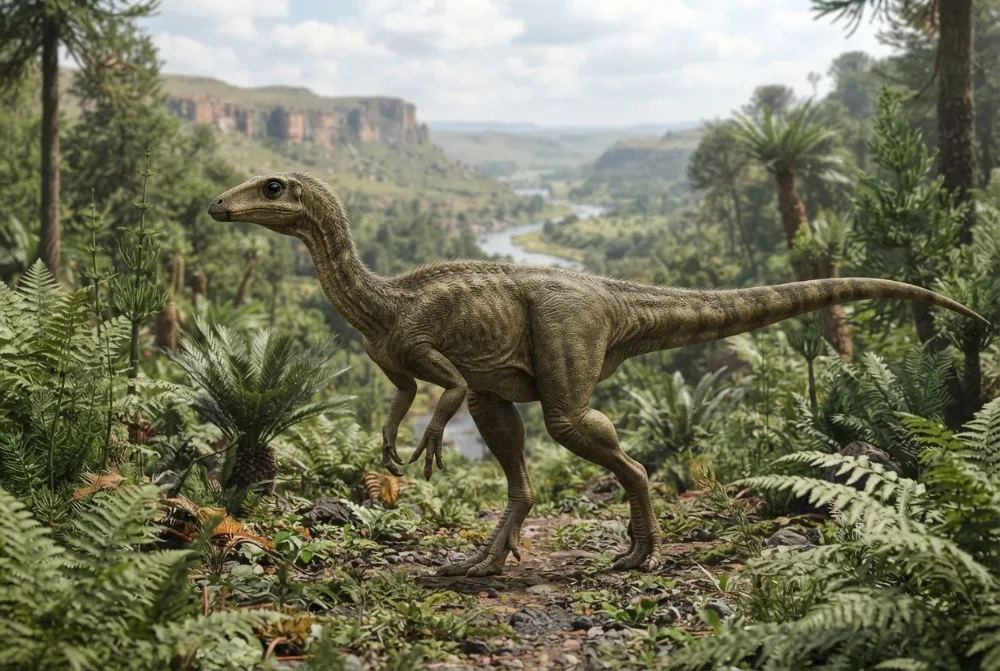
Ignavusaurus had a long, slender neck and a long tail, just like its relatives Massospondylus and Melanorosaurus.1
Some scientists think Ignavusaurus might actually be a baby Massospondylus, because the two look very similar.1
Nsɛm a wɔbisa bebree fa Ignavusaurus ho
?How big was Ignavusaurus?
About 1.5 metres (4.9 ft) long and weighed about 22.5 kilograms (50 lb). That is roughly the size of a large dog.1
?What did Ignavusaurus eat?
It was a plant-eater, or herbivore. It had a long neck to reach leaves and other plants.1
?Is Ignavusaurus a dinosaur?
Yes, it is a dinosaur. It was a basal sauropodomorph, a type of long-necked, plant-eating dinosaur.1
?Could Ignavusaurus be a baby Massospondylus?
Some scientists think so. They say the only known fossil looks very similar to a young Massospondylus, so Ignavusaurus might be the same dinosaur.1
Ma dino ho animdefoɔ
- Nyansahu din
- Ignavusaurus
- Obi a ɔtoo din
- Knoll 20102
- Kuo
- Kɔn tenten
- Abusua / kuo kɛseɛ
- Massospondylidae2
- Nkyekyɛmu
- Sauropodomorpha2
- Abotan no mfeɛ
- mfeɛ ɔpepem 201 kɔsi 193 (Hettangian / Sinemurian)2
- Abotan nhyehyɛeɛ
- Elliot2
- Aman
- Lesotho2
- Fɔsil nkyerɛwee
- 2 wɔ The Paleobiology Database mu2
- Nhunumu
- The fossils were found in Lesotho and described in 2010 by Spanish paleontologist F. Knoll. The skeleton was brought to the National Museum of Natural History in Paris for study.1
- Wɔda so gye ho akyinnye
- Scientists are not sure if Ignavusaurus is a separate species or just a young Massospondylus.1
Baabi a nsɛm no firi
- Ignavusaurus (en.wikipedia.org)
- Ignavusaurus in The Paleobiology Database (CC BY 4.0): mfeɛ, mmeaeɛ, abotan nhyehyɛeɛ, nkyekyɛmu.
Asɛm biara a ɛwɔ krataafa yi so wɔ nɔma a ɛkyerɛ baabi a ɛfiri. Sɛ yɛfom biribi a, kafra, yɛyɛ dino dɔfoɔ, yɛnyɛ nyansahu nsɛmma krataa. Ka kyerɛ yɛn wɔ [email protected] na yɛbɛsiesie.
 Ɔkɔm de Rex! Dino Wiki yɛ agya bi adwuma a ɔyɛɛ maa ne babarima a ɔdɔ dino. Ɛyɛ kwa, dawurubɔ biara nni mu, akyidifoɔ biara nni mu. Mpanimfoɔ bɛtumi ama Rex aduane kakra, na aboa ama Dino Wiki atena intanɛt so.Ma Rex aduane
 Brachiosaurus
 Diplodocus
 Brontosaurus
 Argentinosaurus
 Camarasaurus
 Morosaurus
 Dilophosaurus
 Stenopterygius
 Dorygnathus
 Scutellosaurus
 Sinosaurus
 Temnodontosaurus