 Woyɛ dino bɛn? Nsɛmmisa agoro
 Dino ko
 Dino mmirikatuo
 Dino agodie nketewa
 Stika nwoma
 Dino TOP nhyehyɛeɛ
 Ma me nwanwa!
Berɛ bɛn na ɛtenaa ase?

Na ne kɛseɛ yɛ sɛn?
Na ne tenten yɛ sɛn?
Na ne korɔn yɛ sɛn?
Na ne mu yɛ duru sɛn?
 ne tenten te sɛ nkraman 5 firi hwene kɔsi dua🍌ne tenten te sɛ kwadu 29 a wɔde abɔ toatoa so🍉ne mu duru te sɛ watamɛlɔn 140🧸ne mu duru te sɛ nkɔkɔaa sukuu mmofra 37🎒ne mu duru te sɛ sukuu mmofra 22🏃anka ɔbɛtumi atu mmirika mita 100 wɔ sikɛn 9.2 mu (onipa a ɔyɛ ntɛm sen biara hia 9.6)
Kileskus kɛseɛ yɛ sɛn sɛ wode toto WO ho a?
Akontaa nko ara wɔ wo browser mu. Yɛnkora biribiara so, na yɛmmfa biribiara nkɔ baabiara.
Na ɛyɛ ntɛm sɛn?


Nsɛm a ɛyɛ anigye
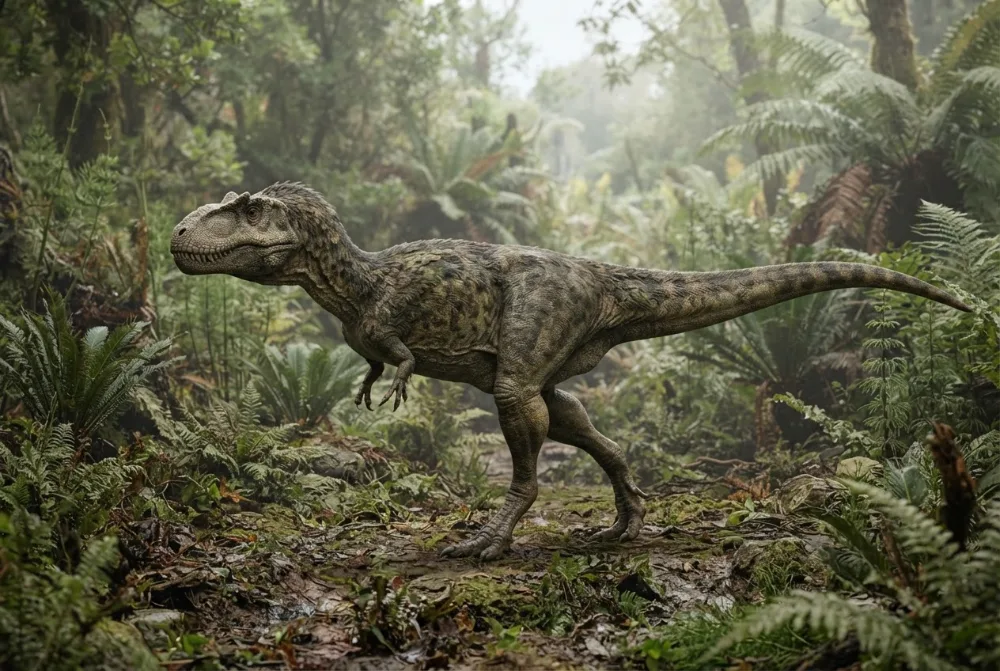
Kileskus is one of the oldest known tyrannosauroids, the group that includes Tyrannosaurus rex. It lived about 100 million years before T. rex.1
Scientists found only a few bones of Kileskus: part of the upper jaw, a skull bone, and some hand and foot bones.1
Kileskus had a long skull that looked similar to another early tyrannosaur called Proceratosaurus from England.12
Its nostrils were tilted backward at a 40-degree angle, which is a clue that helps scientists know it was a proceratosaurid.1
The name Kileskus means 'lizard' in the Khakas language, spoken by people in Siberia where the fossils were found.1
Nsɛm a wɔbisa bebree fa Kileskus ho
?How big was Kileskus?
Nobody knows for sure, but it was small. Its upper jaw bone was just under 30 cm long, while the same bone in adult Tyrannosaurus rex was 60 cm long or longer, so Kileskus was much smaller than its later relatives.4
?When did Kileskus live?
Kileskus lived about 166 million years ago, during the Middle Jurassic period. That is about 100 million years before Tyrannosaurus rex appeared.14
?What did Kileskus eat?
Kileskus was a meat-eater. It was a theropod dinosaur, and its teeth and jaws show it hunted or scavenged other animals.1
?Did Kileskus have feathers?
Scientists do not know for sure, but it was an early tyrannosauroid, and many early tyrannosaurs were small and fuzzy. No feather fossils of Kileskus have been found, but it might have had some.4
?Was Kileskus a dinosaur?
Yes, Kileskus was a dinosaur. It was a theropod, a group of two-legged, mostly meat-eating dinosaurs that includes Tyrannosaurus rex.1
?Why is Kileskus important?
Kileskus is one of the oldest known tyrannosauroids, the group that includes T. rex. It helps scientists understand how tyrannosaurs first evolved, because it lived 100 million years before T. rex.1
Ma dino ho animdefoɔ
- Nyansahu din
- Kileskus
- Obi a ɔtoo din
- Averianov et al. 20105
- Kuo
- Tiranosɔɔ
- Abusua / kuo kɛseɛ
- Proceratosauridae5
- Nkyekyɛmu
- Theropoda > Tyrannosauroidea5
- Abotan no mfeɛ
- mfeɛ ɔpepem 168 kɔsi 165 (Bathonian)5
- Abotan nhyehyɛeɛ
- Itat5
- Aman
- Rɔhyea5
- Fɔsil nkyerɛwee
- 2 wɔ The Paleobiology Database mu5
- Nhunumu
- Kileskus was named in 2010 by paleontologists Alexander Averianov, Sergei Krasnolutskii, and Stepan Ivantsov. They found the fossils in the Itat Formation of Siberia, Russia.12
- Wɔda so gye ho akyinnye
- Scientists are not sure if Kileskus had a small crest on its nose, because the crest bones have not been found yet.1
Baabi a nsɛm no firi
- Kileskus (en.wikipedia.org)
- Proceedings of the Zoological Institute RAS | A new basal coelurosaur (Dinosauria: Theropoda) from the Middle Jurassic of Siberia (zin.ru)
- Килеск — Википедия (gottod.com)
- K is for Kileskus | National Geographic (nationalgeographic.com)
- Kileskus in The Paleobiology Database (CC BY 4.0): mfeɛ, mmeaeɛ, abotan nhyehyɛeɛ, nkyekyɛmu.
Asɛm biara a ɛwɔ krataafa yi so wɔ nɔma a ɛkyerɛ baabi a ɛfiri. Sɛ yɛfom biribi a, kafra, yɛyɛ dino dɔfoɔ, yɛnyɛ nyansahu nsɛmma krataa. Ka kyerɛ yɛn wɔ [email protected] na yɛbɛsiesie.
 Ɔkɔm de Rex! Dino Wiki yɛ agya bi adwuma a ɔyɛɛ maa ne babarima a ɔdɔ dino. Ɛyɛ kwa, dawurubɔ biara nni mu, akyidifoɔ biara nni mu. Mpanimfoɔ bɛtumi ama Rex aduane kakra, na aboa ama Dino Wiki atena intanɛt so.Ma Rex aduane
 Tyrannosaurus
 Tarbosaurus
 Albertosaurus
 Daspletosaurus
 Gorgosaurus
 Alectrosaurus
 Ichthyosaurus
 Khudiakovia
 Ophthalmosaurus
 Pterodactylus
 Peloneustes
 Rhamphocephalus