 Woyɛ dino bɛn? Nsɛmmisa agoro
 Dino ko
 Dino mmirikatuo
 Dino agodie nketewa
 Stika nwoma
 Dino TOP nhyehyɛeɛ
 Ma me nwanwa!
Berɛ bɛn na ɛtenaa ase?

Na ne kɛseɛ yɛ sɛn?
Na ne tenten yɛ sɛn?
Na ne korɔn yɛ sɛn?
nsusuiɛ
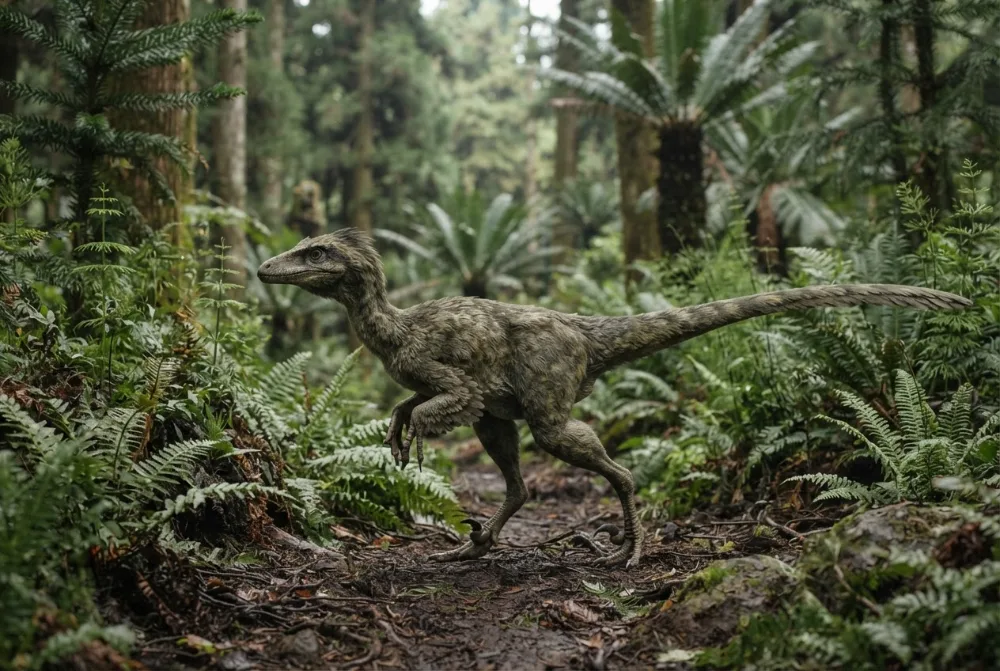
 ne tenten te sɛ fie agyinamoa 4 firi hwene kɔsi dua🍌ne tenten te sɛ kwadu 11 a wɔde abɔ toatoa so🏃anka ɔbɛtumi atu mmirika mita 100 wɔ sikɛn 8.4 mu (onipa a ɔyɛ ntɛm sen biara hia 9.6)
Panguraptor kɛseɛ yɛ sɛn sɛ wode toto WO ho a?
Akontaa nko ara wɔ wo browser mu. Yɛnkora biribiara so, na yɛmmfa biribiara nkɔ baabiara.
Na ɛyɛ ntɛm sɛn?


Nsɛm a ɛyɛ anigye
Panguraptor is the first well-preserved coelophysoid dinosaur ever found in Asia. Before it, scientists only had a few limb bones from this group in Asia.2
Its name comes from Pangu, a god in Chinese mythology who created the world, and the Latin word for robber.1
The only known skeleton is from a young animal that was about 2 metres long. It was probably still growing when it died.1
Panguraptor lived during the Early Jurassic Period, around 200 million years ago, when all the continents were joined together as one supercontinent called Pangaea.12
Its teeth were slightly curved but had no serrations, which is unusual for a meat-eating dinosaur.1
The fossil was discovered on a hillside in China in 2007 and was so fragile that scientists had to glue and plaster it right there to keep it safe.1
Nsɛm a wɔbisa bebree fa Panguraptor ho
?How big was Panguraptor?
About 2 metres (6.6 feet) long. That is roughly the length of a large bed. The only known skeleton was from a young animal that was probably still growing.12
?What did Panguraptor eat?
It ate meat. It was a small, fast meat-eating dinosaur that hunted or scavenged for food. Its teeth were slightly curved but had no serrations, which is unusual for a meat-eater.12
Ma dino ho animdefoɔ
- Nyansahu din
- Panguraptor
- Obi a ɔtoo din
- You et al. 20143
- Kuo
- Dino a wɔwe nam
- Abusua / kuo kɛseɛ
- Coelophysidae3
- Nkyekyɛmu
- Theropoda > Coelophysoidea3
- Abotan no mfeɛ
- mfeɛ ɔpepem 201 kɔsi 200 (Hettangian)3
- Abotan nhyehyɛeɛ
- Lufeng3
- Aman
- Kyaena3
- Fɔsil nkyerɛwee
- 1 wɔ The Paleobiology Database mu3
- Nhunumu
- The fossil was found on 12 October 2007 by a survey team from Lufeng County, China, on a hillside near Xiaolishu Village. It was described and named Panguraptor lufengensis in 2014 by paleontologist You Hailu and his team.1
- Wɔda so gye ho akyinnye
- Scientists are not sure if some other small dinosaur bones from the same area belong to Panguraptor or to a different species.1
Baabi a nsɛm no firi
- Panguraptor (en.wikipedia.org)
- The first well-preserved coelophysoid theropod dinosaur from Asia (mapress.com)
- Panguraptor in The Paleobiology Database (CC BY 4.0): mfeɛ, mmeaeɛ, abotan nhyehyɛeɛ, nkyekyɛmu.
Asɛm biara a ɛwɔ krataafa yi so wɔ nɔma a ɛkyerɛ baabi a ɛfiri. Sɛ yɛfom biribi a, kafra, yɛyɛ dino dɔfoɔ, yɛnyɛ nyansahu nsɛmma krataa. Ka kyerɛ yɛn wɔ [email protected] na yɛbɛsiesie.
 Ɔkɔm de Rex! Dino Wiki yɛ agya bi adwuma a ɔyɛɛ maa ne babarima a ɔdɔ dino. Ɛyɛ kwa, dawurubɔ biara nni mu, akyidifoɔ biara nni mu. Mpanimfoɔ bɛtumi ama Rex aduane kakra, na aboa ama Dino Wiki atena intanɛt so.Ma Rex aduane
 Allosaurus
 Carnotaurus
 Dilophosaurus
 Giganotosaurus
 Compsognathus
 Paronychodon
 Stenopterygius
 Dorygnathus
 Lufengosaurus
 Scutellosaurus
 Yunnanosaurus
 Temnodontosaurus