 Woyɛ dino bɛn? Nsɛmmisa agoro
 Dino ko
 Dino mmirikatuo
 Dino agodie nketewa
 Stika nwoma
 Dino TOP nhyehyɛeɛ
 Ma me nwanwa!
Sinocalliopteryx
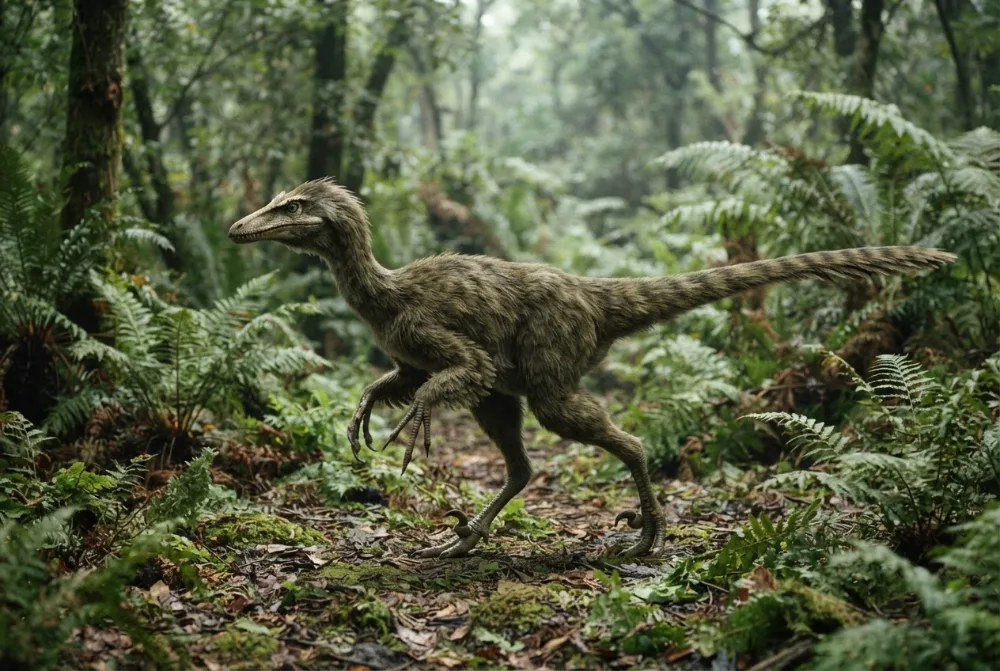
Sinocalliopteryx was a fast, feathered hunter that lived in what is now China. It had long legs and arms, and its body was covered in simple, hair-like feathers. This dinosaur was a fierce predator that could even catch birds on the ground.21
Berɛ bɛn na ɛtenaa ase?
Na ne kɛseɛ yɛ sɛn?
Na ne tenten yɛ sɛn?
Na ne korɔn yɛ sɛn?
nsusuiɛ
Na ne mu yɛ duru sɛn?
 ne tenten te sɛ fie agyinamoa 5 firi hwene kɔsi dua🍌ne tenten te sɛ kwadu 13 a wɔde abɔ toatoa so🍉ne mu duru te sɛ watamɛlɔn 4🏃anka ɔbɛtumi atu mmirika mita 100 wɔ sikɛn 8.4 mu (onipa a ɔyɛ ntɛm sen biara hia 9.6)
Sinocalliopteryx kɛseɛ yɛ sɛn sɛ wode toto WO ho a?
Akontaa nko ara wɔ wo browser mu. Yɛnkora biribiara so, na yɛmmfa biribiara nkɔ baabiara.
Na ɛyɛ ntɛm sɛn?


Nsɛm a ɛyɛ anigye
Sinocalliopteryx was the largest known compsognathid dinosaur when it was discovered in 2007.2
One Sinocalliopteryx fossil had the leg of a dromaeosaurid dinosaur inside its stomach, showing it ate other predators.21
Another fossil contained the bones of at least two Confuciusornis birds in its belly, suggesting it hunted birds.2
Sinocalliopteryx had long protofeathers on its hips, tail, and thighs, some up to 10 centimeters (4 inches) long.2
It also had protofeathers on its feet, which is unusual for a dinosaur that was not closely related to birds.2
The stomach acid in one fossil had etched a bone for about 13 days, showing Sinocalliopteryx had a high metabolism.2
Nsɛm a wɔbisa bebree fa Sinocalliopteryx ho
?How big was Sinocalliopteryx?
About 2.4 metres (7.8 feet) long and weighed around 20 kilograms (44 pounds).21
?Did Sinocalliopteryx have feathers?
Yes, it was covered in simple, hair-like protofeathers, with the longest ones on its hips, tail, and thighs.21
Ma dino ho animdefoɔ
- Nyansahu din
- Sinocalliopteryx
- Obi a ɔtoo din
- Ji et al. 20075
- Kuo
- Dino a wɔwe nam
- Abusua / kuo kɛseɛ
- Compsognathidae5
- Nkyekyɛmu
- Theropoda > Compsognathidae5
- Abotan no mfeɛ
- mfeɛ ɔpepem 126 kɔsi 120 (Barremian / Aptian)5
- Abotan nhyehyɛeɛ
- Yixian5
- Aman
- Kyaena5
- Fɔsil nkyerɛwee
- 2 wɔ The Paleobiology Database mu5
- Nhunumu
- Sinocalliopteryx was named in 2007 by Ji Shu'an, Ji Qiang, Lü Junchang, and Yuan Chongxi. The first fossil was found at Hengdaozi, in Sihetun, Liaoning Province, China.21
- Wɔda so gye ho akyinnye
- Scientists are not sure if the stones found in the first Sinocalliopteryx fossil were swallowed on purpose to help digestion or by accident.2
Baabi a nsɛm no firi
- Sinocalliopteryx | Natural History Museum (nhm.ac.uk)
- Sinocalliopteryx (en.wikipedia.org)
- PBDB Taxon (paleobiodb.org)
- Abdominal Contents from Two Large Early Cretaceous Compsognathids (Dinosauria: Theropoda) Demonstrate Feeding on Confuciusornithids and Dromaeosaurids | PLOS One (journals.plos.org)
- Sinocalliopteryx in The Paleobiology Database (CC BY 4.0): mfeɛ, mmeaeɛ, abotan nhyehyɛeɛ, nkyekyɛmu.
Asɛm biara a ɛwɔ krataafa yi so wɔ nɔma a ɛkyerɛ baabi a ɛfiri. Sɛ yɛfom biribi a, kafra, yɛyɛ dino dɔfoɔ, yɛnyɛ nyansahu nsɛmma krataa. Ka kyerɛ yɛn wɔ [email protected] na yɛbɛsiesie.
 Ɔkɔm de Rex! Dino Wiki yɛ agya bi adwuma a ɔyɛɛ maa ne babarima a ɔdɔ dino. Ɛyɛ kwa, dawurubɔ biara nni mu, akyidifoɔ biara nni mu. Mpanimfoɔ bɛtumi ama Rex aduane kakra, na aboa ama Dino Wiki atena intanɛt so.Ma Rex aduane
 Allosaurus
 Carnotaurus
 Dilophosaurus
 Giganotosaurus
 Compsognathus
 Paronychodon
 Stegosaurus
 Iguanodon
 Archaeopteryx
 Microraptor
 Deinonychus
 Baryonyx