 Home
 All dinos
 Dino groups
 Explore
 Dinos by country
 Dino vs dino
 How big were they?
 Dinos A to Z
 Who ate what?
 What dino are you? Quiz
 Dino games
 Dino battle
 Dino race
 Dino mini-games
 Sticker album
 Dino TOP lists
 Timeline
 Surprise me!
 Language: English

Carentonosaurus
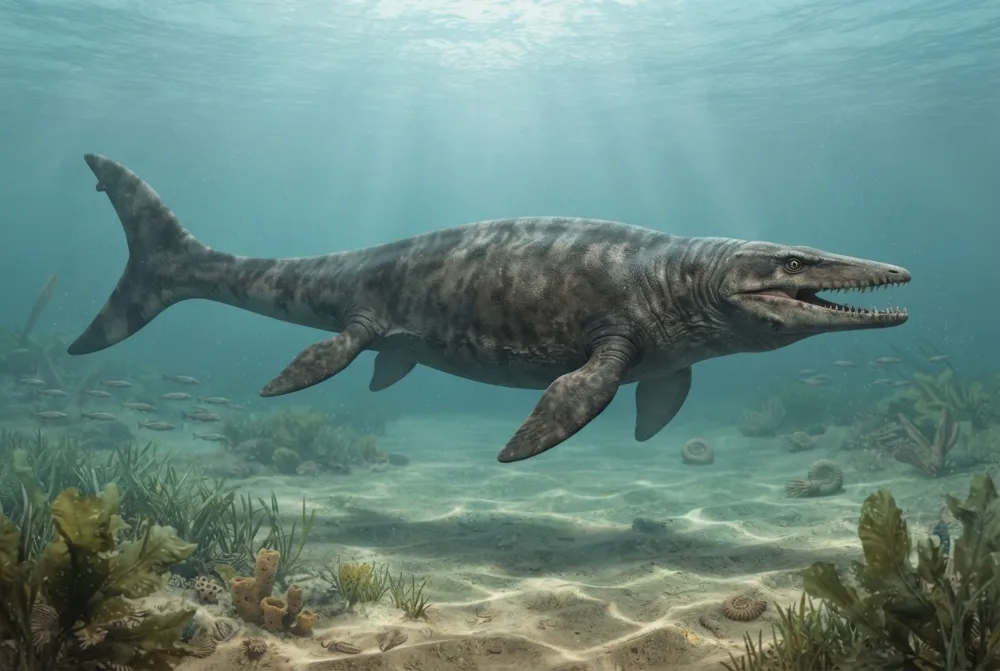
Carentonosaurus was a marine lizard that swam in warm, shallow seas during the time of the dinosaurs. It had a strange, heavy backbone that made it extra dense, like a living anchor in the water.2
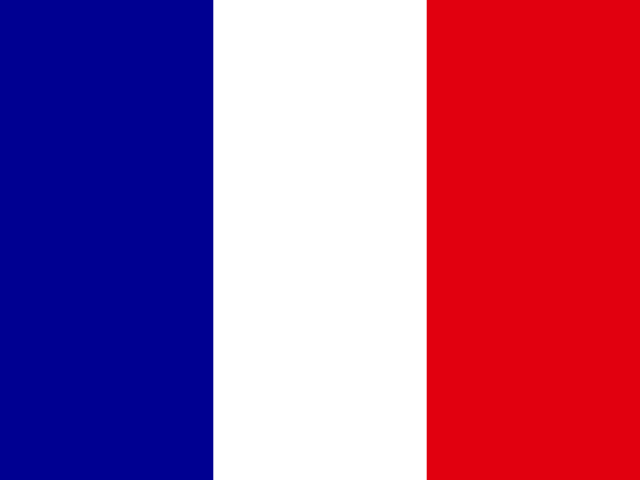 France
 Spain
 Portugal
When did it live?
Carentonosaurus: 100 to 94 million years ago
How fast was it?


Fun facts
Carentonosaurus had very thick, heavy bones in its back, a condition called pachyostosis, which helped it stay underwater without floating up.2
Its neck bones were not thickened, only the back bones were pachyostotic, just like in several other early marine lizards.2
This lizard lived about 100 to 94 million years ago, during the Cenomanian stage of the Cretaceous Period.4
Carentonosaurus fossils have been found in France, Portugal, and Spain, showing it lived in the warm Tethys Sea.1
It is part of a group called aigialosaurs, which are close relatives of the giant mosasaurs.4
Most asked questions about Carentonosaurus
For dino experts
- Scientific name
- Carentonosaurus
- Named by
- Rage and Néraudeau 20044
- Group
- Mosasaurs
- Family / clade
- Aigialosauridae4
- Classification
- Mosasauroidea4
- Age of the rocks
- 100 to 94 million years (Cenomanian)4
- Rock formations
- La Cabaña, B3/C1, Tentúgal4
- Countries
- France, Spain, Portugal4
- Fossil records
- 8 in the Paleobiology Database4
- Also known as
- Carentonosaurus (older names now counted as the same animal)4
- Discovery
- Carentonosaurus was named by paleontologists Jean-Claude Rage and Didier Néraudeau in 2004, based on fossils found in the Charente region of France.4
- Still debated
- Scientists think Carentonosaurus may have lived only in the late part of the Cenomanian age, but they are not completely sure.23
Where the facts come from
- PBDB Taxon (paleobiodb.org)
- A new pachyostotic squamate reptile from the Cenomanian of France (Rage & Néraudeau 2004, Palaeontology 47(5)) (palass.org)
- A New Species of the Pythonomorph Carentonosaurus from the Cenomanian of Algora (Central Spain) (mdpi.com)
- Carentonosaurus in The Paleobiology Database (CC BY 4.0): age, places, rock formations, classification.
Every fact on this page has a number that points to its source. If we got something wrong, sorry, we are dino fans, not a science journal. Tell us at hello@dinowiki.app and we will fix it.
 Rex is hungry! Dino Wiki is a dad's project for his dino-loving son, free with no ads and no cookies. Grown-ups can feed Rex a snack to help keep it online.Feed Rex
 Mosasaurus
 Prognathodon
 Tylosaurus
 Platecarpus
 Clidastes
 Globidens
 Tyrannosaurus
 Triceratops
 Velociraptor
 Spinosaurus
 Ankylosaurus
 Parasaurolophus