 Home
 All dinos
 Dino groups
 Explore
 Dinos by country
 Dino vs dino
 How big were they?
 Dinos A to Z
 Who ate what?
 What dino are you? Quiz
 Dino games
 Dino battle
 Dino race
 Dino mini-games
 Sticker album
 Dino TOP lists
 Timeline
 Surprise me!
 Language: English

Gavialimimus
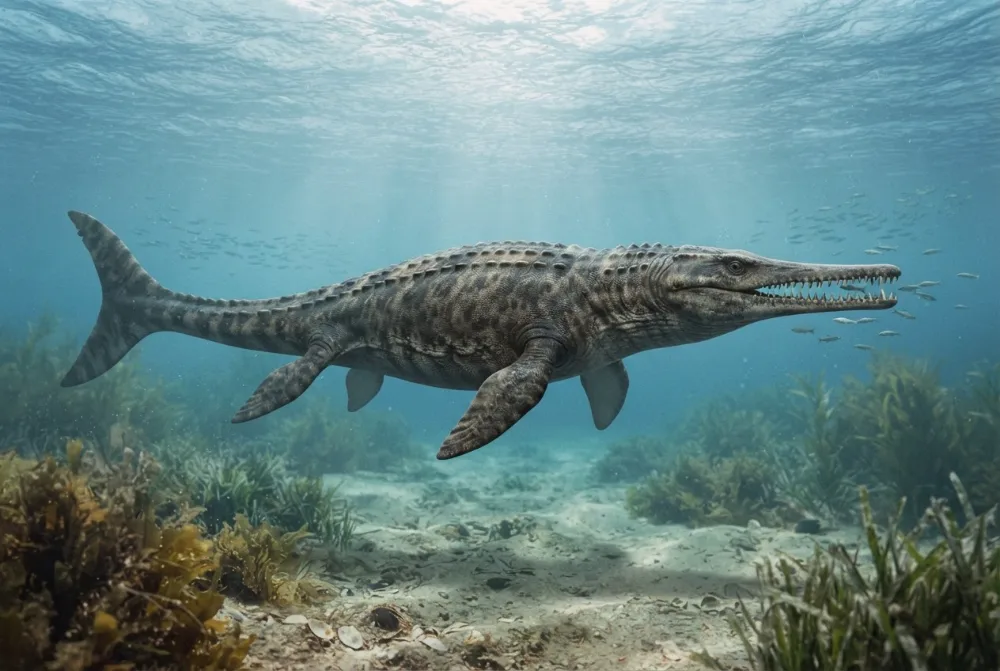
Gavialimimus was a marine lizard that swam in the warm seas of Morocco 66 million years ago. It had a very long, narrow snout like a modern gharial, which helped it catch fish. This clever hunter lived alongside other huge sea reptiles and sometimes became their dinner.1
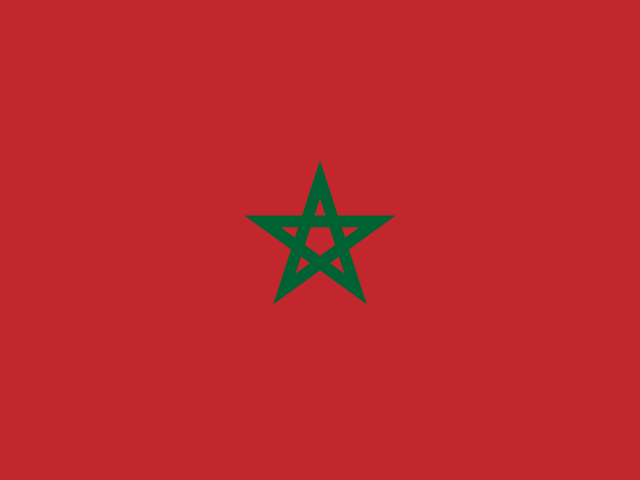 Morocco
When did it live?
Gavialimimus: 72 to 66 million years ago
How big was it?
How long was it?
 as long as 6 dogs nose to tail🍌as long as 33 bananas end to end🏊could swim the length of a big swimming pool (50 m) in 4.7 seconds
How big was Gavialimimus compared to YOU?
Just maths in your browser. Nothing is saved or sent anywhere.
How fast was it?


Fun facts
Gavialimimus was about 6 metres (20 feet) long, as long as a small bus.1
Its name means 'gharial mimic' because its snout looked like that of the modern gharial crocodile, which also eats fish.1
Scientists think Gavialimimus lived in the same seas as many other mosasaurs, but it ate different prey to avoid competition.1
Bigger mosasaurs sometimes ate Gavialimimus. One snout found near Thalassotitan fossils was damaged by stomach acid, and another was found inside the gut of Prognathodon.1
The first fossil of Gavialimimus was a skull and some bones found in the phosphate mines of Morocco.1
In 2025, scientists argued that a tooth named Platecarpus ptychodon actually belongs to Gavialimimus, so its full name might change to Gavialimimus ptychodon.1
Most asked questions about Gavialimimus
?Was Gavialimimus a dinosaur?
No, Gavialimimus was a marine lizard called a mosasaur, not a dinosaur. It lived in the sea during the time of dinosaurs.1
?How big was Gavialimimus?
About 6 metres long, as long as a small bus.1
?What did Gavialimimus eat?
It was a large fish-eater, using its long snout and interlocking teeth to catch fast-swimming fish.12
?Did other animals eat Gavialimimus?
Yes, bigger mosasaurs like Thalassotitan and Prognathodon sometimes ate Gavialimimus. One fossil shows it was digested by a large mosasaur.1
Myth buster
Myth: Some people think Gavialimimus was a dinosaur because it is a reptile from the age of dinosaurs.
Truth: Gavialimimus was a mosasaur, a marine lizard, not a dinosaur. It lived in the sea and was more closely related to modern monitor lizards.1
For dino experts
- Scientific name
- Gavialimimus
- Named by
- Strong et al. 20203
- Group
- Mosasaurs
- Family / clade
- Mosasauridae3
- Classification
- Mosasauroidea3
- Age of the rocks
- 72 to 66 million years (Maastrichtian)3
- Rock formations
- Phosphates3
- Countries
- Morocco3
- Fossil records
- 1 in the Paleobiology Database3
- Discovery
- Gavialimimus was named in 2020 by Strong and colleagues based on a skull from the Oulad Abdoun Basin in Morocco. The specific name almaghribensis means 'from Morocco' in Arabic.13
- Still debated
- Scientists debate whether Gavialimimus almaghribensis is the same species as an older fossil called Platecarpus ptychodon. If they are the same, the older name would take priority.1
Where the facts come from
- Gavialimimus (en.wikipedia.org)
- Paleontologists identify new species of mosasaur (ualberta.ca)
- Gavialimimus in The Paleobiology Database (CC BY 4.0): age, places, rock formations, classification.
Every fact on this page has a number that points to its source. If we got something wrong, sorry, we are dino fans, not a science journal. Tell us at hello@dinowiki.app and we will fix it.
 Rex is hungry! Dino Wiki is a dad's project for his dino-loving son, free with no ads and no cookies. Grown-ups can feed Rex a snack to help keep it online.Feed Rex
 Mosasaurus
 Prognathodon
 Tylosaurus
 Platecarpus
 Clidastes
 Globidens
 Tyrannosaurus
 Triceratops
 Velociraptor
 Spinosaurus
 Ankylosaurus
 Parasaurolophus