 Zer dino zara? Galdetegia
 Dino borroka
 Dino lasterketa
 Dino minijokoak
 Pegatina-albuma
 Dino TOP zerrendak
 Harritu nazazu!
Chiappeavis
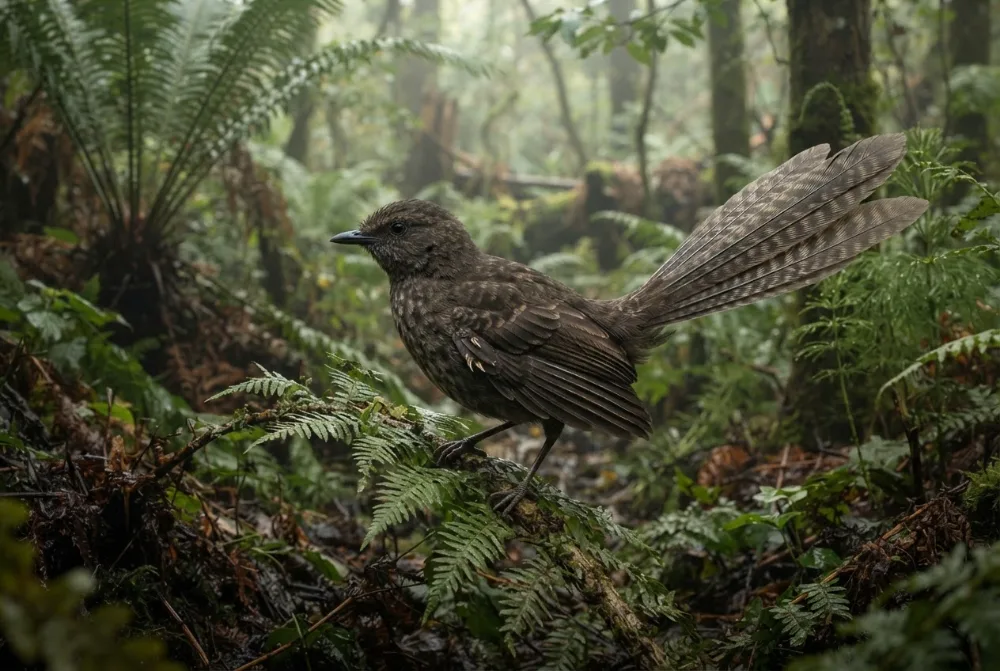
Chiappeavis was a bird that lived in the Early Cretaceous, about 120 million years ago. It had a fan-shaped tail made of long feathers that helped it fly. This bird was about the size of a modern pigeon and lived in what is now northeastern China.21
Noiz bizi izan zen?
Zein handia zen?
Zein luzea zen?
Zein altua zen?
kalkulua
Zein astuna zen?
Zein handia zen Chiappeavis ZUREKIN alderatuta?
Zure nabigatzaileko kalkulu hutsak. Ez da ezer gordetzen ez inora bidaltzen.
Zein azkarra zen?


Datu dibertigarriak
Chiappeavis had a fan-shaped tail made of about ten feathers, with the middle feathers being the longest at about 74 mm.1
It is one of the earliest birds known to have an aerodynamic tail fan, which helped it steer during flight.1
The only fossil of Chiappeavis is a nearly complete skeleton with feather impressions, found in the Jiufotang Formation.2
Chiappeavis belongs to a group of early birds called enantiornithines, which were very common in the Cretaceous.2
Its name honors Dr. Luis Chiappe, a scientist who studied many ancient birds.1
The species name 'magnapremaxillo' means 'large premaxilla', referring to its big upper jaw bone.1
Mito-hauslea
Mitoa: Some people think Chiappeavis had teeth like other early birds.
Egia: The fossil does not show teeth, and scientists think its beak was toothless, similar to some later birds.1
Dino adituentzat
- Izen zientifikoa
- Chiappeavis
- Izendatzailea:
- O'Connor et al. 20163
- Taldea
- Lehen hegaztiak
- Familia / klada
- Pengornithidae3
- Sailkapena
- Theropoda > Avialae3
- Arroken adina
- 121 eta 113 milioi urte artean (Aptian)3
- Arroka-formazioak
- Jiufotang3
- Herrialdeak
- Txina3
- Fosil-erregistroak
- 1 The Paleobiology Database datu-basean3
- Aurkikuntza
- Chiappeavis was named in 2016 by Jingmai O'Connor and colleagues, based on a fossil found in Jianchang, Liaoning, China.23
- Oraindik eztabaidagai
- Scientists are not sure exactly what Chiappeavis ate, because its diet is still being studied from its claws and jaw.1
Datuak nondik datozen
- Report An Enantiornithine with a Fan-Shaped Tail, and the Evolution of the Rectricial Complex in Early Birds (sciencedirect.com)
- Chiappeavis (en.wikipedia.org)
- Chiappeavis in The Paleobiology Database (CC BY 4.0): adina, tokiak, arroka-formazioak, sailkapena.
Orrialde honetako datu bakoitzak zenbaki bat du, bere iturrira eramaten zaituena. Zerbait gaizki badugu, barkatu, dino-zaleak gara, ez zientzia-aldizkari bat. Idatzi [email protected] helbidera eta konponduko dugu.
 Rex gose da! Dino Wiki aita baten proiektua da, dinosauroak maite dituen bere semearentzat, doakoa, iragarkirik eta jarraitzailerik gabe. Helduek mokadutxo bat eman diezaiokete Rexi, sarean jarraitzen laguntzeko.Eman jaten Rexi
 Archaeopteryx
 Hesperornis
 Ichthyornis
 Baptornis
 Jurapteryx
 Gobipteryx
 Stegosaurus
 Iguanodon
 Giganotosaurus
 Microraptor
 Deinonychus
 Baryonyx