 Zer dino zara? Galdetegia
 Dino borroka
 Dino lasterketa
 Dino minijokoak
 Pegatina-albuma
 Dino TOP zerrendak
 Harritu nazazu!
Concornis
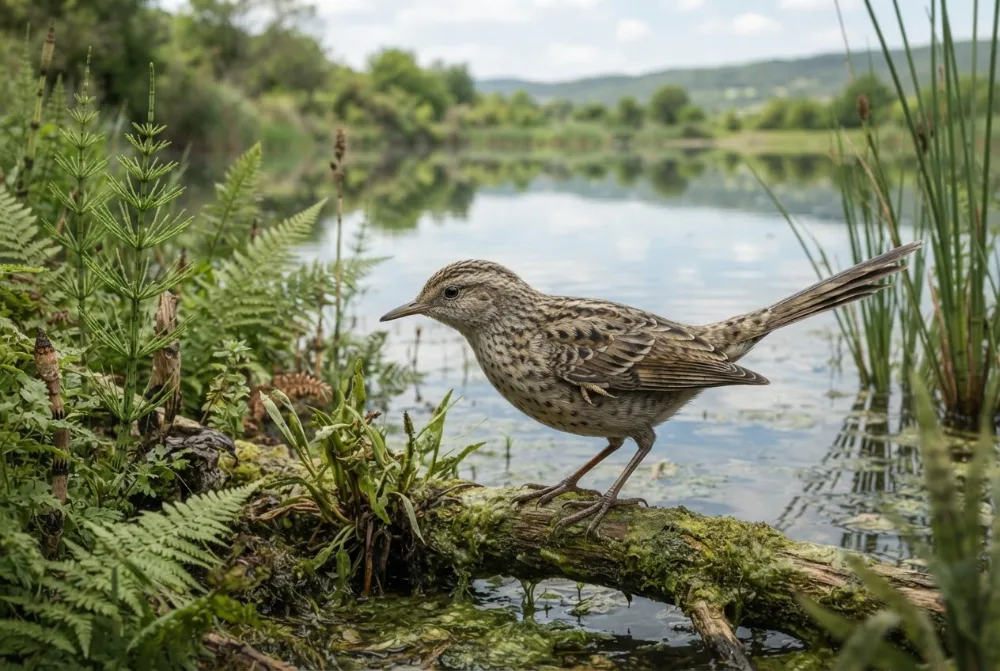
Concornis was a small, ancient bird that lived about 125 million years ago in what is now Spain. It was a great flyer, able to flap its wings fast and even do bounding flight like modern songbirds. It probably ate small insects and crustaceans near the water.23
Noiz bizi izan zen?
Zein handia zen?
Zein zabalak ziren bere hegoak?
Zein astuna zen?
Zein handia zen Concornis ZUREKIN alderatuta?
Zure nabigatzaileko kalkulu hutsak. Ez da ezer gordetzen ez inora bidaltzen.
Zein azkarra zen?


Datu dibertigarriak
Concornis was about the size of a common starling, with a wingspan of 34 centimeters (13 inches) and a weight of about 70 grams (2.5 ounces).2
It had long legs and a large hallux (back toe), which means it could both perch on branches and walk on the ground, but was not a specialist at either.2
Concornis likely had teeth in its snout instead of a beak, like most other early birds of its group.2
It probably had a long, narrow tail with a single pair of ribbon-like feathers, not a fan of feathers like modern birds.2
A 2018 study found that Concornis could do bounding flight, flapping upward then diving with wings folded, similar to woodpeckers and songbirds today.2
Concornis is the oldest and most complete member of the family Avisauridae, a group of early birds.2
Its fossils were found in an ancient lake environment, so it probably lived like a shorebird, hunting for food along the water's edge.2
Concornis: gehien egindako galderak
?Is Concornis a dinosaur?
Yes, Concornis is a type of bird that belongs to the dinosaur group. It is an avialan dinosaur, which means it is a very close relative of modern birds.2
?How big was Concornis?
Concornis was about the size of a common starling, with a wingspan of 34 centimeters (13 inches) and a weight of about 70 grams (2.5 ounces).2
?What did Concornis eat?
Concornis probably ate small invertebrates like insects or crustaceans. It lived near water and likely hunted for food along the shore.2
?Did Concornis have teeth?
Yes, Concornis almost certainly had teeth in its snout instead of a beak, like most other early birds of its group.2
Dino adituentzat
- Izen zientifikoa
- Concornis
- Izendatzailea:
- Sanz and Buscalioni 19923
- Taldea
- Lehen hegaztiak
- Familia / klada
- Enantiornithes3
- Sailkapena
- Theropoda > Avialae3
- Arroken adina
- 126 eta 121 milioi urte artean (Barremian)3
- Arroka-formazioak
- La Huérguina3
- Herrialdeak
- Espainia3
- Fosil-erregistroak
- 2 The Paleobiology Database datu-basean3
- Aurkikuntza
- Concornis was named in 1992 by Spanish paleontologists José Luis Sanz and Ángela D. Buscalioni. The only known fossil was found at Las Hoyas, Spain, and is a nearly complete skeleton missing only the skull, neck, and tail tip.23
- Oraindik eztabaidagai
- Scientists are not sure whether Concornis had an alula (a small feathered thumb that helps with slow flight), though it probably did because a related bird, Eoalulavis, had one.2
Datuak nondik datozen
- palass.org (palass.org)
- Concornis (en.wikipedia.org)
- Concornis in The Paleobiology Database (CC BY 4.0): adina, tokiak, arroka-formazioak, sailkapena.
Orrialde honetako datu bakoitzak zenbaki bat du, bere iturrira eramaten zaituena. Zerbait gaizki badugu, barkatu, dino-zaleak gara, ez zientzia-aldizkari bat. Idatzi [email protected] helbidera eta konponduko dugu.
 Rex gose da! Dino Wiki aita baten proiektua da, dinosauroak maite dituen bere semearentzat, doakoa, iragarkirik eta jarraitzailerik gabe. Helduek mokadutxo bat eman diezaiokete Rexi, sarean jarraitzen laguntzeko.Eman jaten Rexi
 Archaeopteryx
 Hesperornis
 Ichthyornis
 Baptornis
 Jurapteryx
 Gobipteryx
 Stegosaurus
 Iguanodon
 Giganotosaurus
 Microraptor
 Deinonychus
 Baryonyx