 Zer dino zara? Galdetegia
 Dino borroka
 Dino lasterketa
 Dino minijokoak
 Pegatina-albuma
 Dino TOP zerrendak
 Harritu nazazu!
Noiz bizi izan zen?

Zein azkarra zen?


Datu dibertigarriak
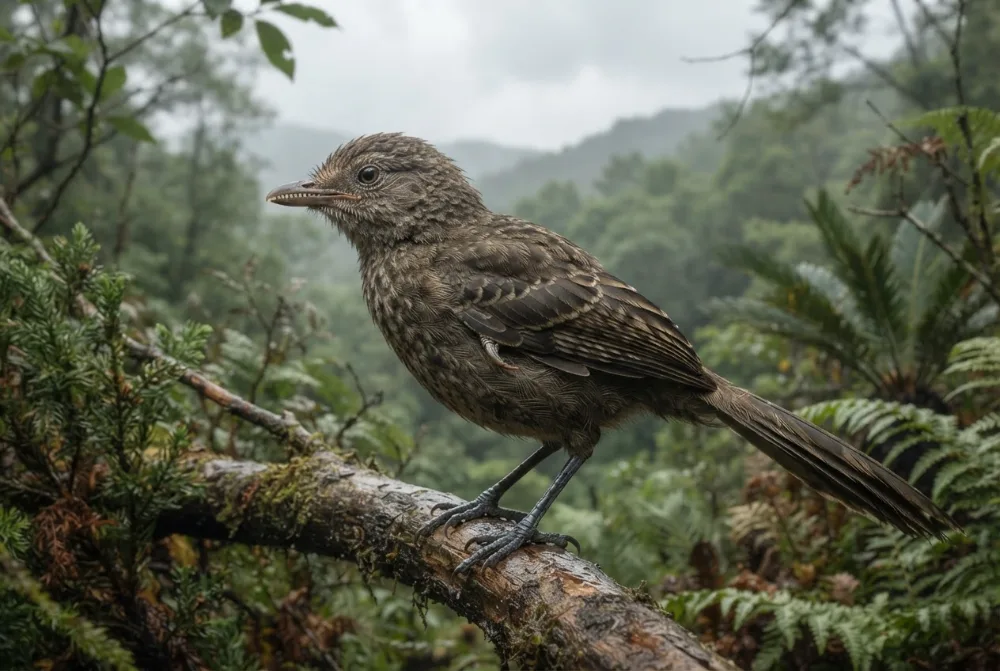
Sulcavis is the first bird ever found with decorated tooth enamel. Its teeth had grooves on the inside that made them stronger.12
It lived about 121 to 125 million years ago during the Early Cretaceous period.1
Sulcavis belonged to a group of ancient birds called enantiornitheans, which still had teeth and claws unlike modern birds.1
The fossil was found in the Yixian Formation, a famous rock layer in China that has preserved many feathered dinosaurs and early birds.1
Its name comes from Latin words meaning 'groove bird', because of the grooves on its teeth.1
Dino adituentzat
- Izen zientifikoa
- Sulcavis
- Izendatzailea:
- O'Connor et al. 20133
- Taldea
- Lehen hegaztiak
- Familia / klada
- Bohaiornithidae3
- Sailkapena
- Theropoda > Avialae3
- Arroken adina
- 121 eta 113 milioi urte artean (Aptian)3
- Arroka-formazioak
- Jiufotang3
- Herrialdeak
- Txina3
- Fosil-erregistroak
- 1 The Paleobiology Database datu-basean3
- Aurkikuntza
- Sulcavis was named in 2013 by a team of scientists including Jingmai O'Connor. The fossil was found near Lamadong in Liaoning, China, and prepared by Maureen Walsh at the Natural History Museum of Los Angeles County.1
- Oraindik eztabaidagai
- Scientists are not sure exactly what Sulcavis ate, but the strong grooved teeth suggest it could handle harder food than other early birds.12
Datuak nondik datozen
- Sulcavis (en.wikipedia.org)
- A new enantiornithine from the Yixian Formation with the first recognized avian enamel specialization: Journal of Vertebrate Paleontology: Vol 33, No 1 (tandfonline.com)
- Sulcavis in The Paleobiology Database (CC BY 4.0): adina, tokiak, arroka-formazioak, sailkapena.
Orrialde honetako datu bakoitzak zenbaki bat du, bere iturrira eramaten zaituena. Zerbait gaizki badugu, barkatu, dino-zaleak gara, ez zientzia-aldizkari bat. Idatzi [email protected] helbidera eta konponduko dugu.
 Rex gose da! Dino Wiki aita baten proiektua da, dinosauroak maite dituen bere semearentzat, doakoa, iragarkirik eta jarraitzailerik gabe. Helduek mokadutxo bat eman diezaiokete Rexi, sarean jarraitzen laguntzeko.Eman jaten Rexi
 Archaeopteryx
 Hesperornis
 Ichthyornis
 Baptornis
 Jurapteryx
 Gobipteryx
 Stegosaurus
 Iguanodon
 Giganotosaurus
 Microraptor
 Deinonychus
 Baryonyx