 Kwizi ya Ndiwe dino uti?
 Nkhondo ya madino
 Mpikisano wa madino
 Masewera ang'onoang'ono a madino
 Chimbale cha zomata
 Mindandanda ya TOP ya madino
 Ndidabwitse!
Albertavenator
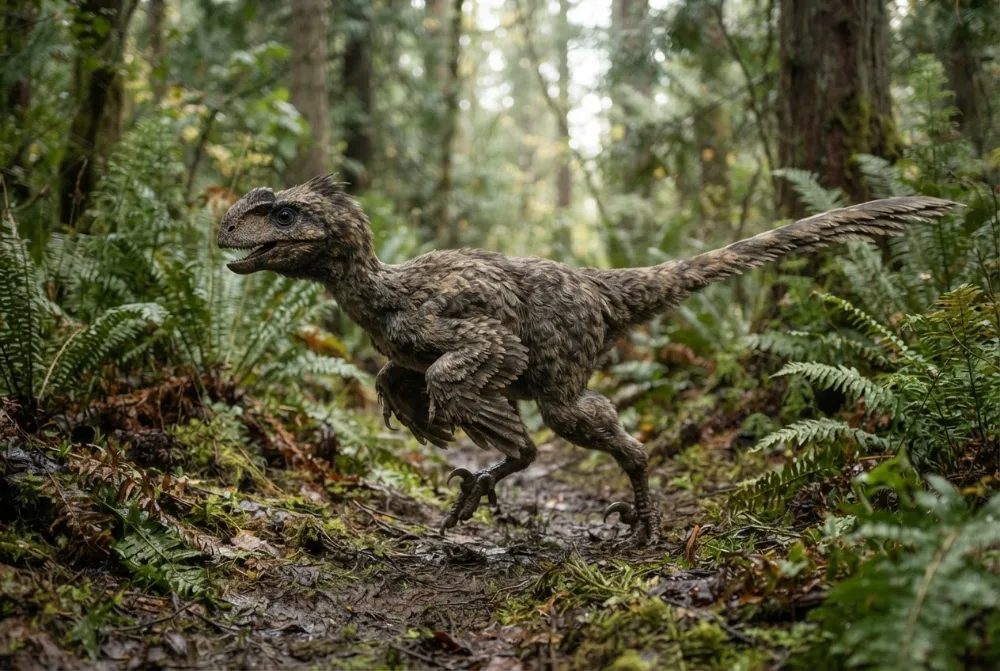
Albertavenator was a small, fast, bird-like dinosaur that lived in Canada about 71 million years ago. It had a short, wide skull bone that made it different from other smart raptors. Scientists think it ate meat and maybe plants too.12
Ankakhala liti?
Anali wamkulu bwanji?
Anali wautali bwanji?
Msinkhu wake unali wautali bwanji?
kuyerekeza
Ankalemera bwanji?

 wautali ngati amphaka a pakhomo 4 otsatizana mphuno ndi mchira🍌wautali ngati nthochi 11 zotsatizana🍉wolemera ngati mavwende 12🧸wolemera ngati ana a sukulu ya mkaka 3🎒wolemera ngati ana a sukulu 2🏃akanatha kuthamanga mamita 100 m'masekondi 7.2 (munthu waliwiro kwambiri amafunika 9.6)
Albertavenator anali wamkulu bwanji poyerekeza ndi IWEYO?
Ndi masamu chabe mu msakatuli wako. Palibe chimene chimasungidwa kapena kutumizidwa kwina kulikonse.
Anali ndi liwiro lotani?


Mfundo zosangalatsa
Albertavenator is known only from a few skull bones, especially the frontal bone of the forehead.1
Its frontal bone is very short and wide, with a length-to-width ratio less than 1.3, shorter than any other known troodontid from the Late Cretaceous.12
The name Albertavenator means 'Alberta hunter' and honors paleontologist Philip J. Currie.1
It lived during the early Maastrichtian stage of the Late Cretaceous, about 71 million years ago.1
Its fossils were found in the Horseshoe Canyon Formation, which was a cool, swampy floodplain with redwoods and ferns.1
Albertavenator was a troodontid, a group of smart, bird-like raptors that had large brains and sharp claws.1
Mafunso ofunsidwa kwambiri okhudza Albertavenator
?How big was Albertavenator?
About the size of a person, based on comparisons with its close relative Troodon. It was a small-bodied troodontid.41
?Did Albertavenator have feathers?
Yes, scientists think it was covered in feathers, like its close relative Troodon.4
?What did Albertavenator eat?
Scientists think it ate meat and maybe plants too, based on its teeth and jaw remains.1
Kwa akatswiri a madino
- Dzina la sayansi
- Albertavenator
- Anapatsidwa dzina ndi
- Evans et al. 20175
- Gulu
- Maraputala
- Banja / kladi
- Troodontidae5
- Magawidwe a sayansi
- Theropoda > Troodontidae5
- Zaka za miyala
- zaka 84 mpaka 66 miliyoni (Campanian / Maastrichtian)5
- Mapangidwe a miyala
- Horseshoe Canyon5
- Mayiko
- Kanada5
- Zolemba za mafosili
- 4 mu The Paleobiology Database5
- Kupezeka
- Albertavenator was named in 2017 by David C. Evans and his team. The first fossil, a partial left frontal bone, was found in the early 1990s near Drumheller, Alberta, Canada.12
- Akukambiranabe
- Scientists are not sure if teeth and jaw bones found in the same formation belong to Albertavenator or to other troodontids.2
Kumene mfundo zimachokera
- Albertavenator (en.wikipedia.org)
- A new species of troodontid theropod (Dinosauria: Maniraptora) from the Horseshoe Canyon Formation (Maastrichtian) of Alberta, Canada (cdnsciencepub.com)
- Dinosaur that looked like a massive bird discovered in Canada | The Independent | The Independent (independent.co.uk)
- Scientists Name New Species of Dinosaur After Canadian Icon | Royal Ontario Museum (rom.on.ca)
- Albertavenator in The Paleobiology Database (CC BY 4.0): zaka, malo, mapangidwe a miyala, magawidwe a sayansi.
Mfundo iliyonse patsamba lino ili ndi nambala yosonyeza kumene yachokera. Ngati talakwitsa kanthu, pepa, ndife okonda madino, osati magazini ya sayansi. Tiuze pa [email protected] ndipo tikonza.
 Rex ali ndi njala! Dino Wiki ndi ntchito ya bambo kwa mwana wawo wamwamuna wokonda madainoso, yaulere popanda zotsatsa ndi zokazonda. Akuluakulu angadyetse Rex zokhwasula-khwasula kuti tsambali lipitirize kupezeka pa intaneti.Dyetsa Rex
 Velociraptor
 Microraptor
 Deinonychus
 Asiamericana
 Richardoestesia
 Saurornitholestes
 Tyrannosaurus
 Triceratops
 Spinosaurus
 Ankylosaurus
 Parasaurolophus
 Pteranodon