 Ati daayinoo kami? Qormaata
 Lola daayinoo
 Dorgommii daayinoo
 Taphoota daayinoo xixiqqoo
 Albamii istiikarii
 Tarreewwan TOP daayinoo
 Na dinqisiisi!
Concornis
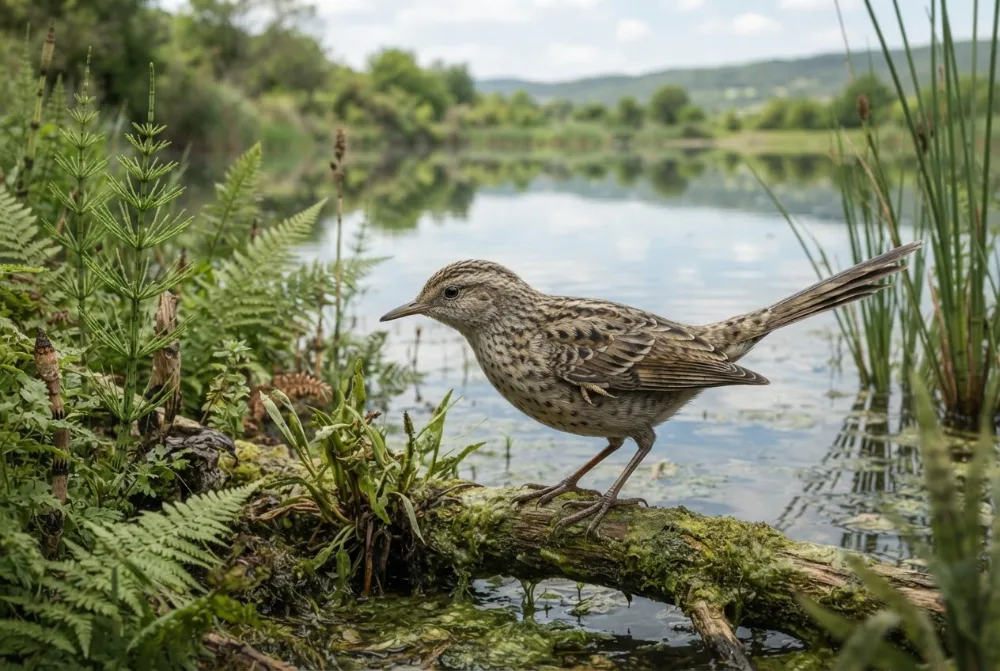
Concornis was a small, ancient bird that lived about 125 million years ago in what is now Spain. It was a great flyer, able to flap its wings fast and even do bounding flight like modern songbirds. It probably ate small insects and crustaceans near the water.23
Yoom jiraate?
Hammam guddaa ture?
Baalleen isaa hammam bal'aa turan?
Hammam ulfaataa ture?
SI wajjin yoo wal bira qabamu, Concornis hammam guddaa ture?
Herrega qofa barbaadduu kee keessatti. Wanti tokkollee hin olkaa'amu, eessayyuu hin ergamu.
Hammam saffisaa ture?


Odeeffannoowwan bashannansiisoo
Concornis was about the size of a common starling, with a wingspan of 34 centimeters (13 inches) and a weight of about 70 grams (2.5 ounces).2
It had long legs and a large hallux (back toe), which means it could both perch on branches and walk on the ground, but was not a specialist at either.2
Concornis likely had teeth in its snout instead of a beak, like most other early birds of its group.2
It probably had a long, narrow tail with a single pair of ribbon-like feathers, not a fan of feathers like modern birds.2
A 2018 study found that Concornis could do bounding flight, flapping upward then diving with wings folded, similar to woodpeckers and songbirds today.2
Concornis is the oldest and most complete member of the family Avisauridae, a group of early birds.2
Its fossils were found in an ancient lake environment, so it probably lived like a shorebird, hunting for food along the water's edge.2
Gaaffiiwwan waa'ee Concornis baay'ee gaafataman
?Is Concornis a dinosaur?
Yes, Concornis is a type of bird that belongs to the dinosaur group. It is an avialan dinosaur, which means it is a very close relative of modern birds.2
?How big was Concornis?
Concornis was about the size of a common starling, with a wingspan of 34 centimeters (13 inches) and a weight of about 70 grams (2.5 ounces).2
?What did Concornis eat?
Concornis probably ate small invertebrates like insects or crustaceans. It lived near water and likely hunted for food along the shore.2
?Did Concornis have teeth?
Yes, Concornis almost certainly had teeth in its snout instead of a beak, like most other early birds of its group.2
Ogeeyyii daayinootiif
- Maqaa saayinsii
- Concornis
- Kan maqaa baase
- Sanz and Buscalioni 19923
- Garee
- Simbirroota jalqabaa
- Maatii / kilaadii
- Enantiornithes3
- Ramaddii
- Theropoda > Avialae3
- Umurii dhagaawwanii
- waggaa miliyoona 126 hanga 121 (Barremian)3
- Caasaawwan dhagaa
- La Huérguina3
- Biyyoota
- Ispeen3
- Galmee fosilii
- 2 The Paleobiology Database keessa3
- Argannoo
- Concornis was named in 1992 by Spanish paleontologists José Luis Sanz and Ángela D. Buscalioni. The only known fossil was found at Las Hoyas, Spain, and is a nearly complete skeleton missing only the skull, neck, and tail tip.23
- Ammallee falmisiisaa
- Scientists are not sure whether Concornis had an alula (a small feathered thumb that helps with slow flight), though it probably did because a related bird, Eoalulavis, had one.2
Odeeffannoon eessaa dhufa
- palass.org (palass.org)
- Concornis (en.wikipedia.org)
- Concornis in The Paleobiology Database (CC BY 4.0): umurii, bakkeewwan, caasaawwan dhagaa, ramaddii.
Odeeffannoon fuula kana irra jiru hundi lakkoofsa madda isaa agarsiisu qaba. Yoo waa dogoggorre, dhiifama, nuti jaallattoota daayinoo malee joornaalii saayinsii miti. [email protected] irratti nutti himi, nus ni sirreessina.
 Rex beela'eera! Dino Wiki pirojektii abbaa tokkoo kan ilma isaa daayinoo jaallatuuf hojjetame, bilisa, beeksisa malee fi hordoftuu malee. Ga'eessonni akka inni interneetii irra turuuf Rexiif nyaata xiqqoo kennuu danda'u.Rex soori
 Archaeopteryx
 Hesperornis
 Ichthyornis
 Baptornis
 Jurapteryx
 Gobipteryx
 Stegosaurus
 Iguanodon
 Giganotosaurus
 Microraptor
 Deinonychus
 Baryonyx